Indonesia presents a complex business landscape with multiple consumer behaviors, preferences, and aspirations. Market research in Indonesia is not only about understanding the numbers; it is also about tapping into the heart of the Indonesian consumer and developing a more in-depth understanding of local culture. Sources describe vast geographical diversity and cultural complexities, plus diverse ethnicities, religions, and traditions that influence purchasing decisions and brand perceptions. In that environment, methods that observe consumers in context can add depth by showing how culture and daily realities shape choice, not just what consumers claim to prefer.
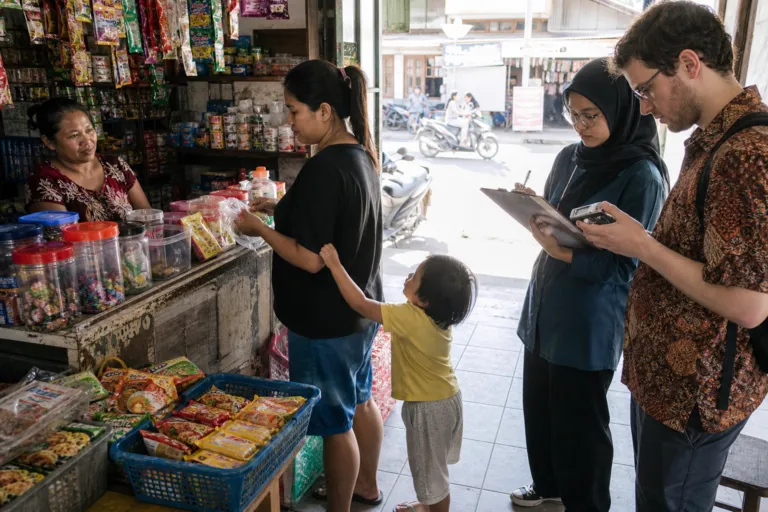
Ethnographic market research focuses on observing and interacting with people in their natural environments so researchers can uncover behind-the-scenes processes that drive decision-making and brand interactions. This approach is designed to capture authentic moments, unfiltered reactions, and genuine behaviors that explain the “why” behind consumer choices. It also reveals the gap between what people say they do and what they actually do. When Indonesia’s regional differences and local sentiments matter, this kind of observation can help teams avoid relying on assumptions and instead see how decisions happen at home, in stores, at work, and within everyday routines.
How Ethnography Turns Culture Into Actionable Strategy
Ethnography, rooted in anthropology, is described as a way to discover deeper insights under the surface, identify cultural and emotional context, and avoid the risks of stereotyping. It can uncover unspoken needs and desires and then inform product development, marketing strategies, and brand building. Ethnographic work can be hands-on, such as a moderator and small team interviewing a respondent in their home or office to gain observational insight into lifestyle and everyday behavior. The benefit is a richer understanding of needs, desires, attitudes, beliefs, habits, and motivations, along with the cultural and social influences that shape them.
For modern brands, ethnography can also happen in digital spaces. Digital ethnography is described as uncovering hidden motivations by observing consumers in their natural online habitat, providing more authentic and nuanced insights than surveys and questionnaires that may not capture the full complexity of behavior. Methods can include online observations, interviews, and analysis of virtual data sources such as social media, blogs, and forums. By studying cultures and communities that form online, researchers can track interactions as they naturally occur and translate qualitative findings into actionable insights for strategic planning, campaign development, and content creation.
Ethnographic research in Indonesia becomes especially valuable when organizations need tailored insights to cater to local needs effectively, including identifying consumer preferences, understanding regional differences, and staying ahead of trends. By connecting qualitative observation with behavioral patterns, teams can build a more complete picture that unites what consumers do with why they do it. That matters for competitive positioning, customization of products and services, and risk mitigation in a market where cultural nuance and real-world constraints can change how brands are perceived and chosen. Used well, ethnography helps strategies resonate with local sentiments rather than generic profiles.
Why does ethnographic research work well for understanding consumers in Indonesia?
What does ethnographic market research reveal that surveys can miss?
How is digital ethnography used in marketing research?
What are common outputs of ethnographic insights for brands?