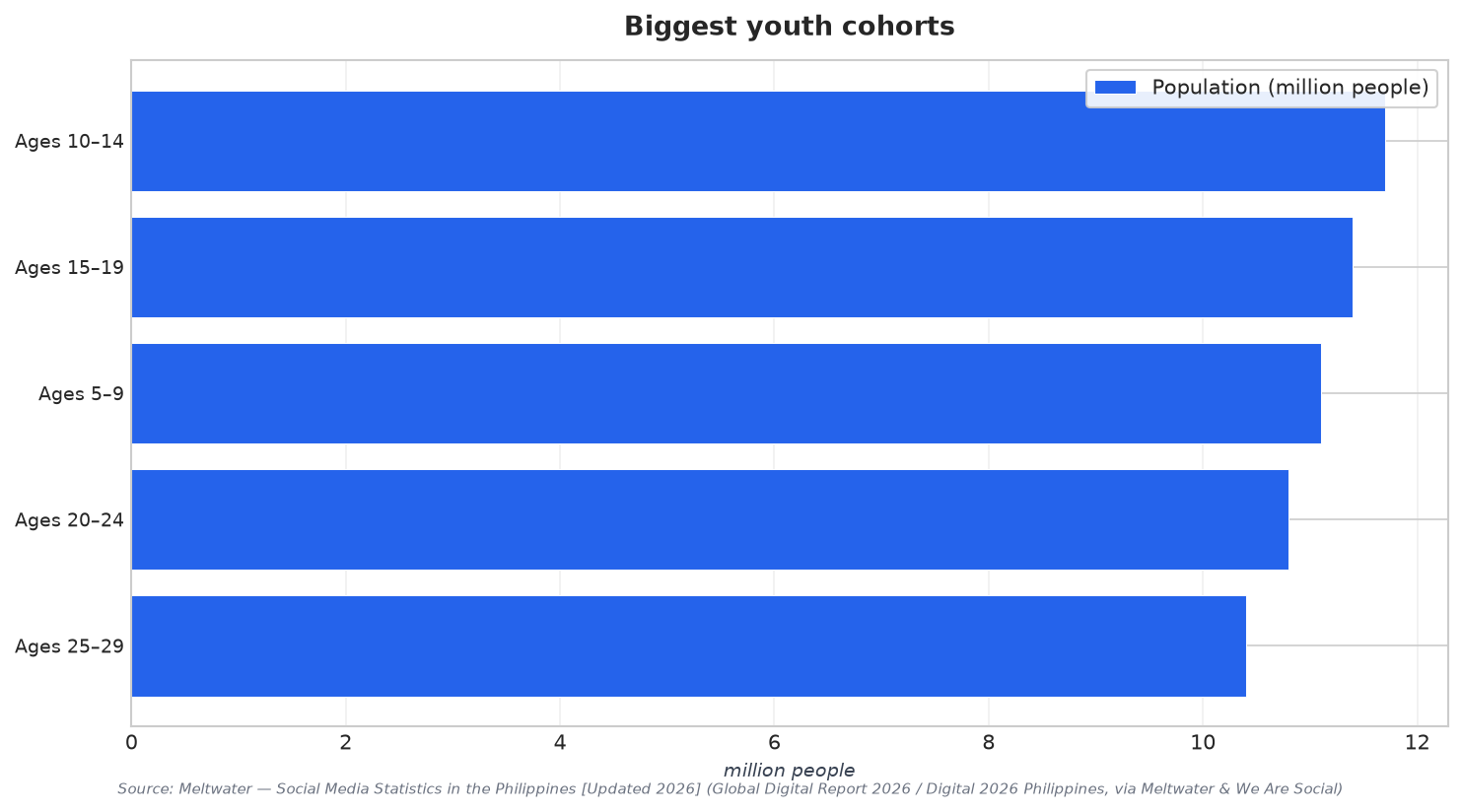
Consumer insight work in the Philippines starts with the reality of scale. The country’s population is 117 million, and the median age is 26.1 years, with adult literacy (15+) at 98.0%. On the digital side, there are 98.0 million internet users, equal to an 83.8% penetration rate, with annual growth of +0.8% (about 789,000 new users). Access is overwhelmingly mobile, with 97.8% of users going online via smartphones. For brands, this combination means opinions, questions, and complaints can surface quickly, often in short, mixed-language comments that shift tone fast.
That is why social media listening in the Philippines is more than counting mentions. Listening is described as tracking and analyzing conversations, mentions, and sentiment across social platforms, blogs, forums, and digital communities, then turning unstructured data into actionable insights. It differs from basic monitoring, which focuses on direct mentions and replies on owned pages. A practical crisis playbook cited in a Philippine-focused source notes the country ranks among the top countries globally for daily social media usage, with an average of over three hours per day (DataReportal’s 2025 Digital Report, as cited). It also flags Facebook as dominant and describes how perception can spread across Facebook groups, Messenger, Viber, and TikTok at the same time.
A Practical Listening Stack: Channels, Language, and Workflow
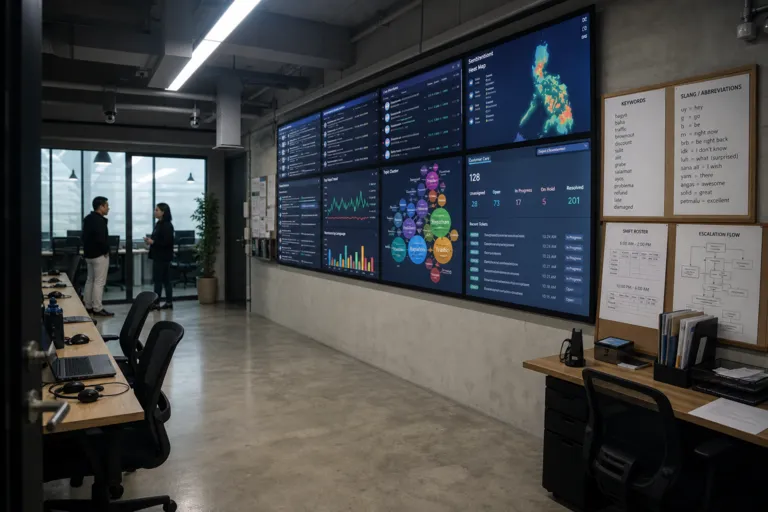
Effective listening stacks are built in layers so insights can move from detection to response. One approach is to use a depth-and-scale listening platform for complex query building and alerts for sentiment shifts, then add an operations layer for daily engagement and routing, and finally connect outputs to ticketing or response systems to avoid gaps. A Philippine crisis-management reference argues for a unified platform that combines listening, ticketing, and response, and cites Konnect Insights as a Salesforce AppExchange-listed CXM platform starting at USD 29 per user per month. This structure supports real-time triage, consistent messaging, and clear escalation paths when risks appear across multiple communities.
Language coverage is not optional. One Philippine social listening case highlights that the Philippines has over 180 languages and dialects and stresses that Cebuano and Tagalog conversations can show different sentiment patterns and cultural context. Another crisis-focused reference warns that Taglish can hide sarcasm and frustration from tools that only understand English. In practice, teams build separate query modules for brand and product terms in Tagalog and Cebuano variants, then compare results to detect sentiment divergence when regional signals differ from national trends. This is where consumer insight becomes more precise: you learn not only what people say, but how meaning changes by region and tone.
The commercial payoff is increasingly visible as social platforms become discovery and research channels. One Philippines-focused marketing source reports that 42.5% of Filipino consumers discover new products through social ads, 62% use TikTok or Facebook for brand research, and 60% use social media as their primary source of brand research. The same source states that about 70% of social media users purchase products based on recommendations, and that around 61–63% of Filipinos use social media as their primary news source. Against this backdrop, listening helps brands identify which creator narratives drive trust, which product questions block purchase, and which issues threaten reputation in fast-moving news cycles.
What makes social media listening different from basic monitoring?
Why does mobile behavior matter for consumer insights in the Philippines?
How should brands handle Tagalog, Cebuano, and Taglish in listening?
How can social media listening in the Philippines support social commerce decisions?