
Vietnam’s retail environment is large, fast-evolving, and channel-fragmented, so the path to purchase looks different depending on where the trip starts. Mordor Intelligence projects the Vietnam retail market to expand from USD 163.44 billion in 2025 and USD 171.40 billion in 2026 to USD 217.44 billion by 2031, at a 4.87% CAGR from 2026 to 2031. It also notes a shift from volume to value as urban cores near saturation and chains prioritize margin defense. For shopper research Vietnam programs, this context matters because it changes what you measure: not only “where did they buy,” but also which missions are moving to convenience formats, hybrid models, and digital payment rails.

Traditional trade still anchors many daily decisions, even as modern trade expands. Mordor reports that traditional mom-and-pop stores captured 59.35% of Vietnam retail market share in 2025. Cimigo adds that traditional trade fell from 100% of retail share in 2000 to 62% in 2024, and that it saw its first absolute decline in sales in 2024. Over the same period, Cimigo says modern trade rose from 15% in 2005 to 27% in 2024, while e-commerce accounted for 11% of retail goods sales. This mix implies that a single “shopper journey” is really multiple journeys, where discovery, trust-building, and final purchase can land in different channels.
Mapping Missions: What Changes in Modern Trade vs Traditional Trade
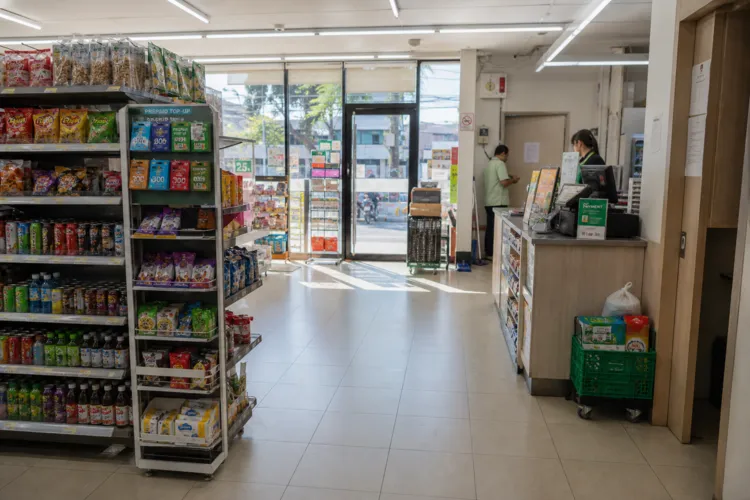
Category and format choices shape the journey, especially for frequent, quick trips. In Mordor’s split by product type, Food, Beverage & Tobacco held 48.35% share in 2025, and Personal Care & Household is projected to grow at a 6.46% CAGR through 2031. By format, convenience stores commanded a 32.32% share in 2025 and are forecast to grow at a 6.35% CAGR through 2031. Read together, these figures suggest why research needs to capture “trip type” and “basket intent,” not just brand choice. A quick, proximity mission in a convenience footprint may rely on different cues than a planned shop in a market or a chain store.
Digital shopping adds another layer, and its behavior varies by shopper segment. TGM Research segments Vietnam’s online shoppers into Heavy, Moderate, and Light groups based on frequency, with Heavy Shoppers at 50% of the base, Moderate Shoppers at nearly one third, and Light Shoppers at 16%. In the Heavy segment, 41% join livestream events, 57% use buy now pay later, and 52% opt for courier drop-offs. Moderate Shoppers show early adoption of convenience features, with 23% using augmented reality tools while shopping and 11% trying retail subscription services. Light Shoppers prioritize price and still include 45% choosing Cash on Delivery, while Shopee leads platform usage across all three segments and TikTok Shop is gaining traction among younger Light Shoppers aged 18 to 24.
Putting these pieces together, the most useful research design links channel share, trip missions, and digital behaviors into one measurement plan. Cimigo reports outlet expansion momentum with WinMart+ adding 718 stores, FPT Long Chau Pharmacy 465, and Con Cung 202 outlets year-to-date, with September 2025 noted in its update. Mordor also highlights that e-commerce and hybrid models are projected to grow at a 5.75% CAGR from 2026 to 2031, while policy and enforcement (such as e-invoice enforcement supporting digital payments) can accelerate formalization. For brands, this means testing how shoppers move from social content to platform checkout, and how price, trust, and convenience differ when the final purchase happens in a traditional store versus a modern chain.
What does shopper research in Vietnam need to capture across channels?
How large is Vietnam’s retail market, according to the cited forecast?
Which retail format is highlighted as a major driver of proximity shopping?
How are Vietnam’s online shoppers segmented in the TGM findings?
What are key online behaviors that can reshape the path to purchase?