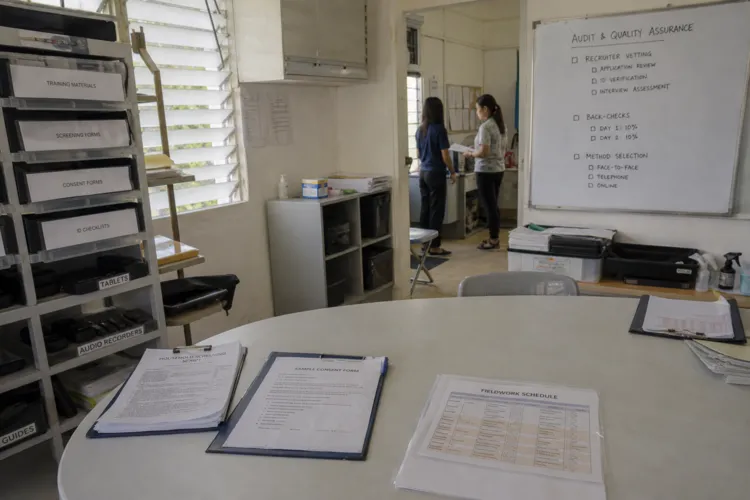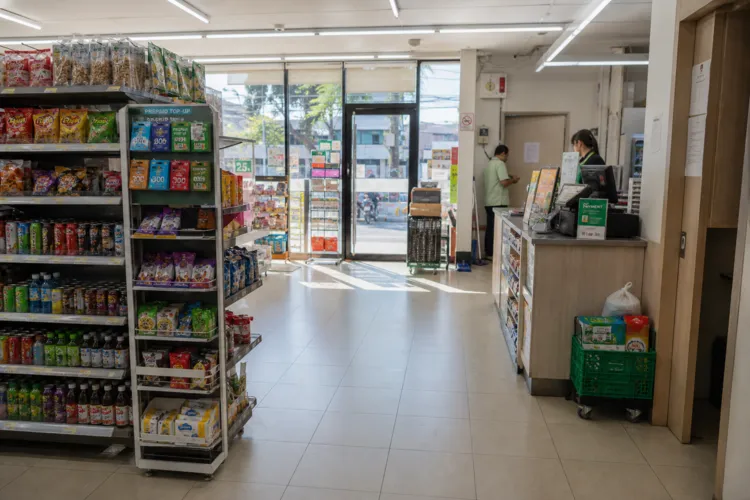

Mobile ethnography in Indonesia is a practical way to capture real consumer moments as they happen, in the places where decisions are made. Ethnographic market research focuses on observing behavior in real-world environments to uncover the gap between what people say and what they actually do. Instead of reconstructing routines in a focus group room, participants document their own behavior and experiences in their natural environment using smartphones. They can capture photos, video, screen recordings, and short written entries in the moment. This approach is built for context, because it shows what the setting looks like and what happens in real time.
The case for in-the-moment capture gets stronger when memory is unreliable. A 2022 study reported by Digiday found that 38% misremember their behavior when asked to recall it after the fact. Mobile ethnography closes that gap by recording behavior before it is forgotten, and it can follow a journey across touchpoints, from awareness to purchase to use. It also works without a researcher needing to be physically present, which makes it convenient, cost-effective, and scalable for teams trying to learn quickly. Traditional ethnographic work can take weeks, and findings that arrive after a decision has closed lose their value.
How to Run Mobile Ethnography Across Indonesia Without Losing Context
Indonesia has the scale and diversity that makes contextual research valuable. The country is described as the world’s fourth most populous, with over 275 million people, and it is also described as having more than half of its population under the age of 35. It is also described as having 200+ million internet users and mobile-first adoption, with social media, e-commerce, and fintech part of daily life. For research operations, mobile-first behavior matters because it lowers friction for participants who already use phones daily. Teams can recruit across major metros and Tier 2 cities, including Jakarta, Surabaya, Bandung, Medan, Semarang, Bekasi, and emerging Tier 2 locations, and extend coverage to ethnographic participants in urban and rural communities.
Design the study around what you need to see. Mobile ethnography emphasizes spatial and environmental context, while diary studies emphasize change over time, and the two can overlap in one program. A focused study often runs 15 to 30 participants, while larger programs can run into the hundreds across markets, which supports cross-city comparisons without losing local nuance. In practice, researchers can ask for narrated walkthroughs, unboxing recordings, in-home usage clips, or screen recordings that show how people use apps in their real environment. The output is richer than stated preference alone, because it captures hesitation, contradiction, workarounds, and the language people use when no one prompts them.
To make the work usable, plan for analysis and reuse, not just collection. Mobile ethnography produces qualitative material that benefits from thematic, content, or narrative analysis to extract meaning. It also pairs well with asynchronous video interviews, which can preserve ethnographic depth while running across markets in parallel, so teams learn while decisions are still open. Finally, when findings flow into a persistent insight library, insight compounds across studies instead of disappearing into one-off decks. That is how mobile ethnography Indonesia programs can move from interesting clips to repeatable evidence that shapes products, retail execution, and messaging.
What is mobile ethnography, and what do participants submit?
Why is in-the-moment research useful compared with recall?
How can mobile ethnography work across Indonesia’s different locations?
What sample sizes are common for mobile ethnography studies?
How do teams turn mobile ethnography in Indonesia into decisions?