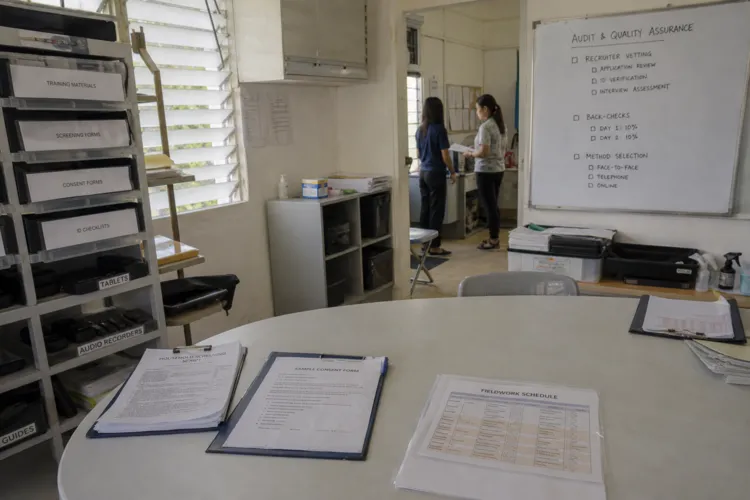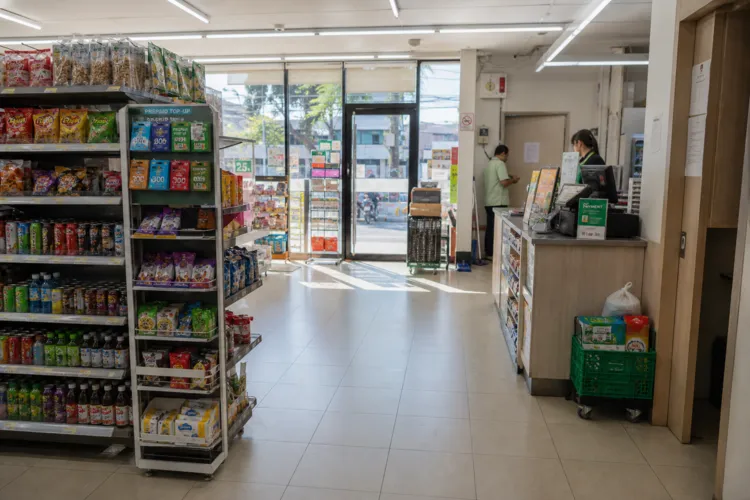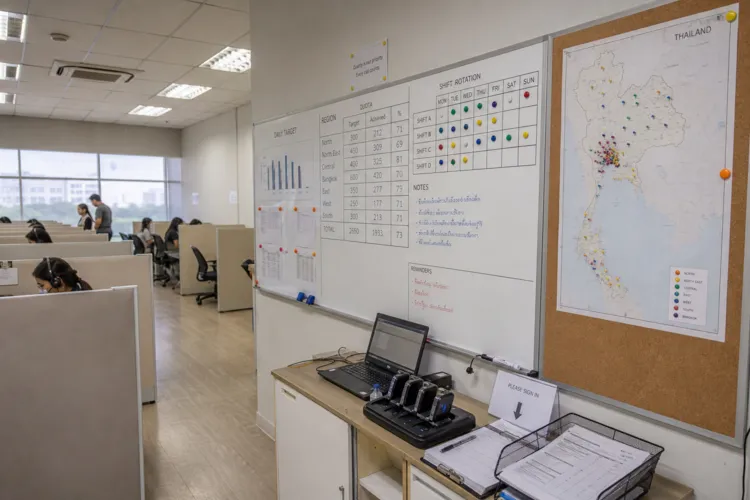

Designing a robust quantitative survey for the Vietnamese consumer market starts with clarity. Avoid vague goals like “understand the market” and link the research to real actions such as market entry, expanding an existing business, or competitive countermeasures. One source gives an example of a purpose tied to business action: identifying sales channels to achieve monthly sales of 10 million yen in Hanoi. When your purpose is specific, you can remove unnecessary question items and focus only on information needed for decisions, which helps prevent long surveys and weak answers.
Next, build the questionnaire around hypotheses you can verify. A practical approach is to formulate statements such as “Vietnamese people should act this way” or “they should buy at this price range,” then design the survey to test them. If you start without hypotheses, the question list can become exhaustive and the accuracy of answers can decrease. Be equally disciplined about defining survey subjects, because the same source warns that target definitions must be done carefully. This is the backbone of quantitative survey design Vietnam teams can operationalize across categories.
Sampling and Channel Choices: Online Panels, Mobile, and Local Nuance
Sampling decisions should reflect Vietnam’s diversity and regional variation. One Vietnam market research overview highlights that understanding differences between urban hubs like Ho Chi Minh City and rural provinces is essential when building strategies that resonate locally. For online research, panel providers emphasize reducing sample bias via multi-source recruitment, continuing top-up recruitment, and tracking response performance to maintain robust panel profile metrics. In Vietnam specifically, the population is listed as 101.0M with 38% urban (WorldBank, 2024), and a median age of 33.9 years old (Worldometers, 2026), which helps frame quota planning and realistic reach expectations across urban and non-urban groups.
Method selection should fit both the insight need and the practical constraints. Quantitative research is defined as collecting numerical data using surveys, and it can be paired with qualitative work depending on objectives and budget. Providers in Vietnam list several execution modes, including large-scale online consumer surveys via web and chat platforms, and mobile field surveys using interviewer-administered apps for offline collection. Field research is described as a way to clarify true consumer intentions and realities that desk research may miss. In practice, many teams run quantitative surveys to measure “how many” and “how often,” then use interviews or ethnographic approaches to explain “why,” especially when surface-level data misses underlying motivations.
Finally, plan budgets and governance early so design choices remain realistic. A 2026 guide to market research companies in Vietnam states that a basic online consumer survey can start from USD 2,000–5,000, while a comprehensive market entry study with competitor interviews and strategic recommendations typically ranges from USD 15,000–50,000+. Costs can also rise with man-hours when detailed translation and analysis of local Vietnamese language materials are included. For data quality and compliance, panel operators describe adhering to the ESOMAR code of conduct in building and managing panels, collecting and processing data, and storing personal information, supported by teams that speak Vietnamese and understand local conditions.
How do I start a quantitative survey design project for Vietnam consumers?
What budget range should I expect for online consumer surveys in Vietnam?
Why do regional differences matter when sampling in Vietnam?
How do online panels reduce sample bias in Vietnam research?