
Choosing a market research methodology in the Philippines starts with accepting how complex the country is to measure. One guide flags “7,000+ islands,” different regional cultures, heavy digital and social media use, and consumers who are brand-aware but price-conscious. That mix creates real sampling risk if you only rely on one channel or one city. It also explains why many providers emphasize local-language fieldwork and location coverage beyond the typical Metro Manila convenience sample. For planning, it helps to anchor research in the sectors where decisions move fast. For example, one report values the Philippines retail market at USD 45.62 billion in 2024, with a projection to USD 78.90 billion by 2032 and a CAGR of 6.9% from 2026 to 2032.
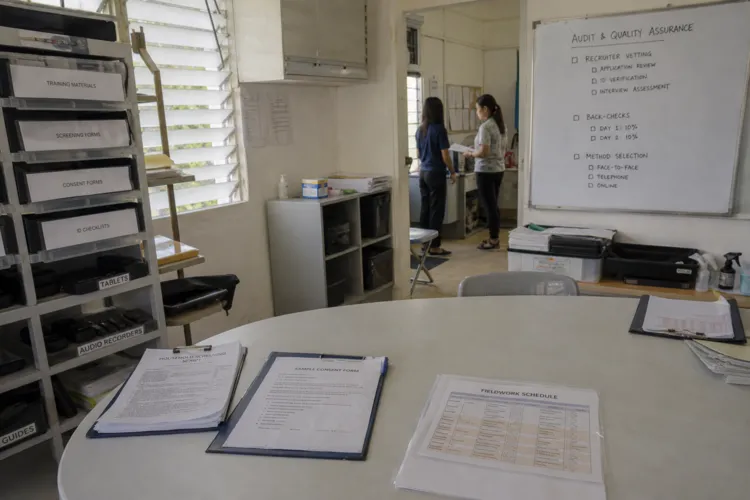
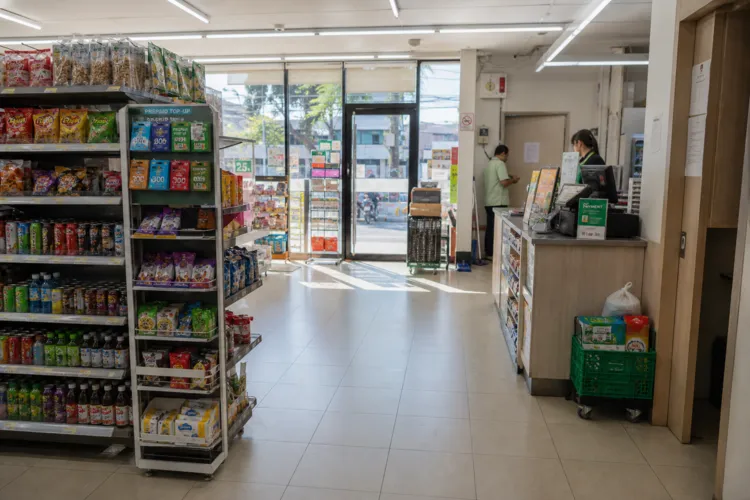
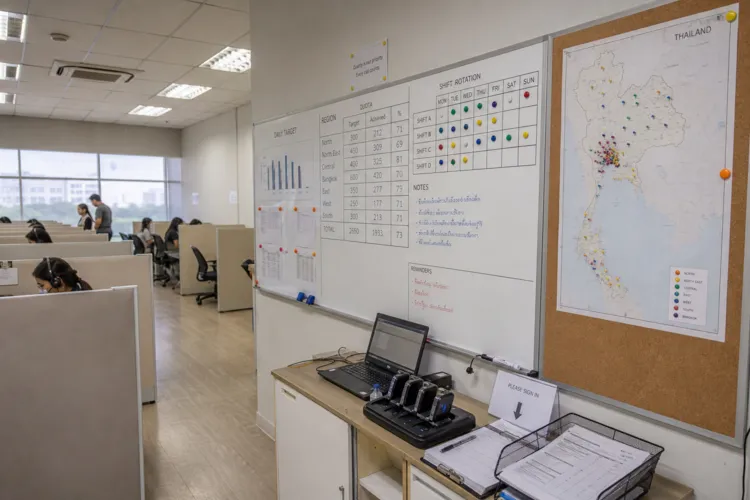
A practical stack blends quantitative surveys with on-the-ground validation. Field Market Research Philippines is described as in-person collection such as interviews, store audits, product testing, and mystery shopping, which is positioned as useful where internet access is limited or when real-world proof matters. Surveys add scale and structure. One source lists common modes: online surveys (including Google Forms and panels), telephone-based approaches (CATI), and face-to-face methods (CAPI). These survey formats are tied to business questions like gauging demand, pricing, and perceptions. In a country with both traditional retail (sari sari stores and wet markets) and a modernizing sector, combining store checks with consumer surveys helps reconcile what people say with what shoppers actually do.
What “Works” Locally: Triangulate Channels, Languages, and Decision Makers
Digital research is strong in the Philippines, but it performs best when you manage representation and bias on purpose. One panel provider describes a proprietary double opt-in online panel in the Philippines, recruited to represent the country, supported by multi-source recruitment to minimize sample bias, plus top-up recruitment and response tracking. The same source cites Philippines context figures of 115.8M population and 55% urban (World Bank, 2024), with a median age of 26.6 years old (Worldometers, 2026). Those traits support mobile and online approaches, especially when paired with clear quotas and quality controls. The provider also states adherence to ESOMAR’s code of conduct, including how personal information is handled, which matters when respondents are increasingly reached through digital channels.
For B2B and industrial studies, the “working” methodology is often about access and who really holds power. One Philippines-focused B2B page lists a methodology stack that includes B2B expert interviews, ethnographic research, focus groups, competitive intelligence, market entry assessments, and VOC programs delivered in Filipino, English, and regional languages. It also states that fieldwork should be conducted in the language the respondent thinks in and that samples should reflect archipelagic reality, not just Manila convenience. The same source reports a finding from B2B expert interviews: decision authority inside Filipino conglomerates often sits two layers below the visible C-suite, with technical buyers at SM Investments, Ayala, San Miguel, JG Summit, and Aboitiz exercising de facto veto power on supplier qualification before formal procurement begins.
Finally, strong methodology links collection to modeling and decision-ready synthesis. A retail industry report describes its approach as blending expert interviews, extensive data synthesis, and validated models, with forecasts and estimates in USD million for 2026–2030 and historical data from 2020–2024. Another retail forecast states that Philippines retail market growth will increase by USD 87348.4 million during 2026–2030. Use those types of models as the “top-down” view, then pressure-test them with the “bottom-up” work: store audits, shopper observation, and multi-mode surveys. That combination is what makes a market research methodology Philippines teams can trust when entering, expanding, or repositioning in a fast-modernizing retail environment.
What makes market research in the Philippines different from a single-city study?
Which survey methods are commonly used for Philippines market surveys?
How should a market research methodology in the Philippines handle online samples?
Who often has real buying influence in large Philippine conglomerates during B2B research?
What retail figures can help frame a Philippines research plan?