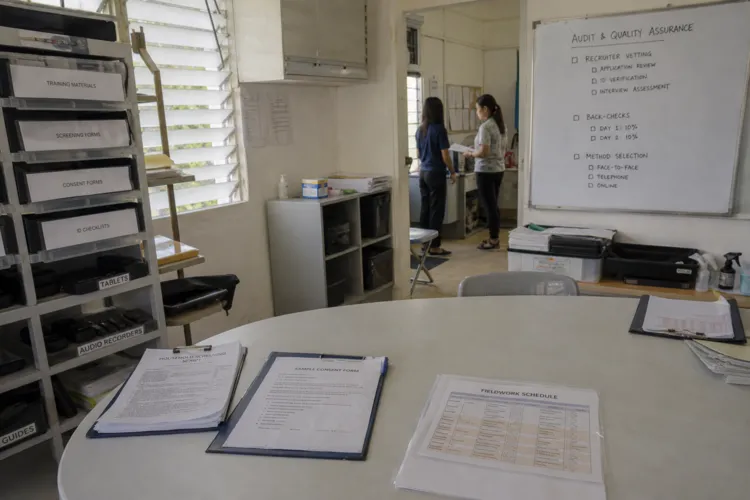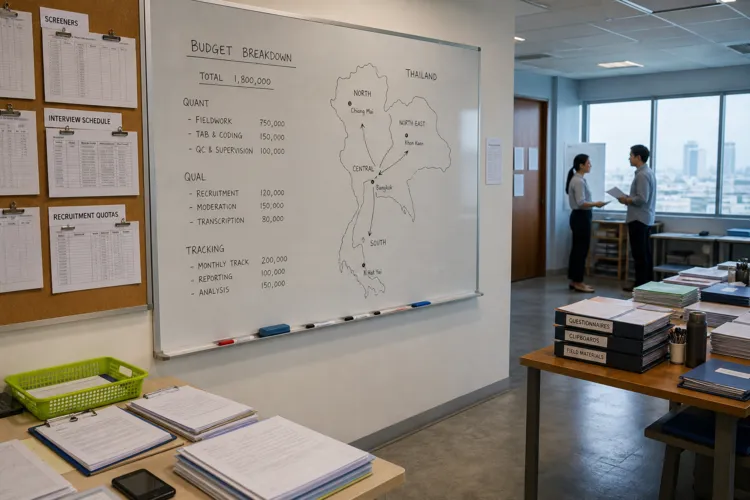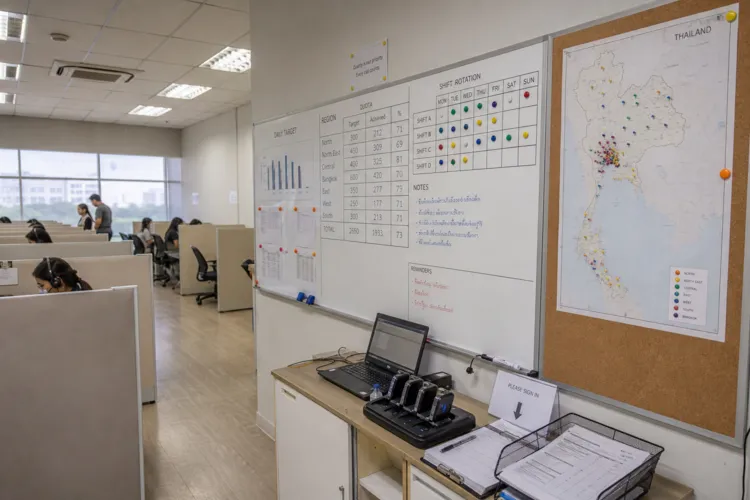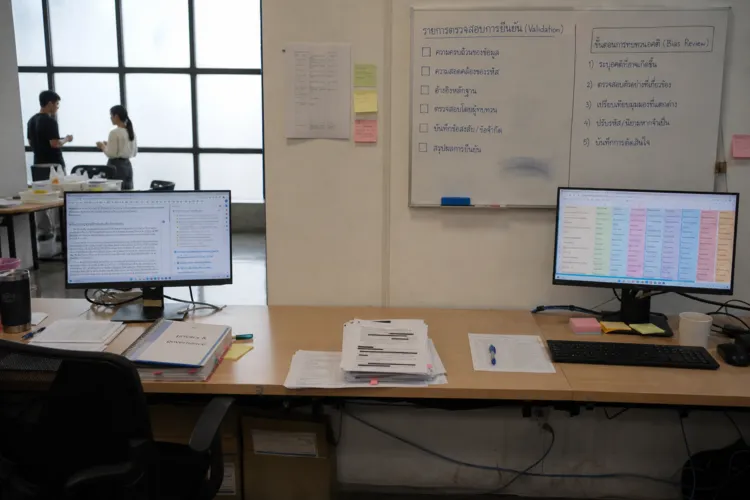
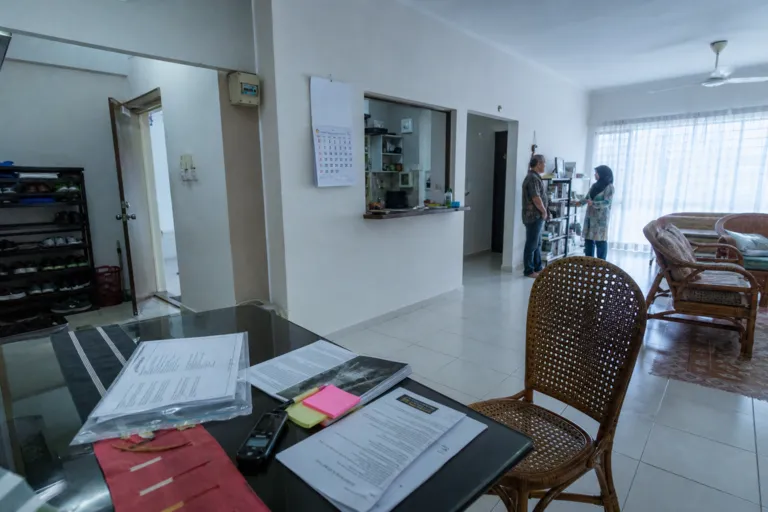
Malaysia is described as a melting pot of cultures with significant Malay, Chinese, and Indian communities, and that diversity influences consumer preferences and behaviors. This is why market research in Malaysia matters for businesses that want to target different segments effectively. Ethnographic research is one way to reach that goal because it studies people in real environments rather than controlled settings. Instead of relying only on what consumers say in a survey, it helps researchers see lifestyle, routines, and the context around choices that can shape what people buy and how they use products.
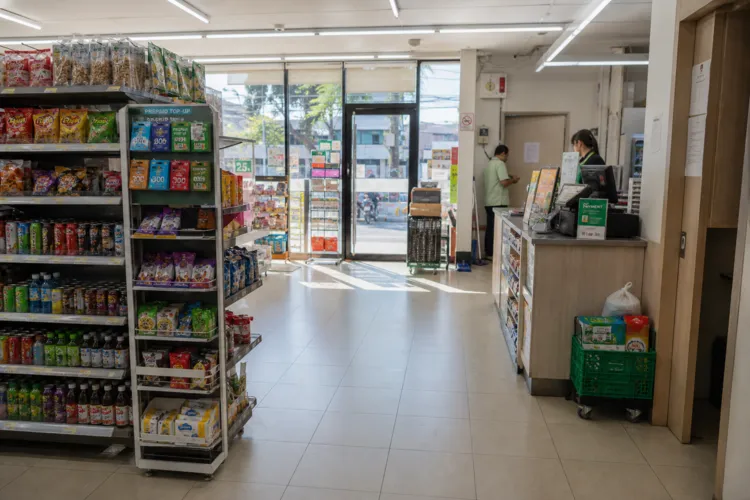
In practice, ethnography is positioned as a qualitative method where a moderator and a small team interview a respondent in their home or office to gain observational insight into everyday behavior. It also involves immersion in the customer’s environment so researchers can examine and interpret behavior as it happens. Ethnographic market research is also described as observation in a natural setting, such as watching how someone navigates a grocery aisle or troubleshoots a product at home. Because no artificial environment is created, teams can capture what people actually do, including hesitation, contradiction, and workarounds that can be missed by surveys, telephone interviews, or focus groups.
Methods That Fit Malaysia’s Multicultural Reality
Several core ethnographic methods can be applied when you need to understand multicultural consumer behavior in Malaysia. One source highlights three approaches that carry most ethnographic work: in-home observation and participant observation, shop-alongs that follow decisions at the point of purchase, and digital ethnography such as mobile ethnography and self-recorded video walkthroughs captured over days or weeks. Another source explains that researchers can act as participating observers by joining group activities and conversations without leading them, or they can conduct passive observation by unobtrusively watching interactions and documenting behaviors. Together, these methods help teams see the social context around decisions, not just the final purchase.
Ethnography is especially relevant when buying decisions are sensitive to social norms, cultural habits, and religious practices. One example given is a pre-launch overview for a packaged food item within a specific community. If people are used to cooking food fresh, it can be difficult to promote packaged food, and highly specific taste habits can also affect performance. Used correctly, this kind of study can save time, effort, and money, or guide how the product is prepared to better fit local expectations. The same logic applies when a business needs to localize positioning, evaluate a localization investment, or test hypotheses where stated preferences are not sufficient.
Ethnographic research can be powerful, but teams need to plan around speed and expertise. One source notes that traditional ethnographic work delivers depth, yet multi-week recruiting and fieldwork cycles can mean insights arrive after decisions have already closed. Another example cites an ethnographic study that took 18 months and still revealed patterns in grocery purchasing and consumer behavior. Because these projects require specialized data collection and analysis capabilities, the operational design matters. When aligned with broader market research in Malaysia, ethnography can support strategic planning, consumer behavior insight, opportunity identification, and tailored marketing by grounding decisions in real-life context and cultural influence.
How does ethnographic research help explain multicultural consumer behavior in Malaysia?
What are the main methods used in ethnographic market research?
Why can ethnography be more reliable than surveys for consumer decisions?
How long can an ethnographic study take?
When should a company consider ethnography for product launches in Malaysia?