
Consumer segmentation starts with a simple goal: divide a broad market into smaller groups that share meaningful traits, such as demographics, behavior, or geography. In Thailand, that goal gets harder because the market ranges from Bangkok’s urban sophistication to regional cultural nuances and traditional values that shape purchase decisions. Sources also warn that international brands commonly make three mistakes when they segment Thailand: assuming Bangkok represents the whole country, applying Western demographic models that miss how Thai consumers actually make decisions, and overlooking platform-specific behavioral differences that determine where and how segments engage.
Build a segmentation model around how people actually live and shop across the country. Digital behavior is a baseline layer. As of January 2025, Thailand had about 65.4 million internet users (about 91% penetration) and about 51.0 million social media identities (about 71% of the population). Those totals matter for reach planning, but the same sources emphasize that they can hide “structural and cultural variation.” Your segments should therefore account for different digital routines and different decision paths, not just age or income, especially as economic pressures increase price sensitivity and households lean into promotions and private-label alternatives.
How to Segment Thailand by Geography and Retail Reality
Geographic segmentation in Thailand is not just a list of provinces. Bangkok and the Greater Bangkok metropolitan area account for roughly 35% of total retail activity, and this area is described as the primary market for modern trade, premium products, and e-commerce. That implies a segment with high brand exposure, concentrated purchasing power, and strong familiarity with international brands. Central Thailand outside Bangkok includes mid-size cities such as Ayutthaya, Nakhon Ratchasima, and Chonburi, where distribution infrastructure is generally strong but economic conditions vary, with industrial corridors alongside provinces that sit below Bangkok income levels.
Beyond Central Thailand, the North, Northeast (Isan), and South each add distinct segmentation logic. Isan is identified as Thailand’s largest region by population and described as more price-sensitive, with strong loyalty to domestic brands and informal trade. Chiang Mai is characterized as operating more like a secondary urban market, which can warrant a “second city” segment with different media and retail mixes than Bangkok. In the South, sources highlight both a significant Muslim consumer segment and the country’s largest tourist economy, where Phuket, Samui, and Krabi include expatriate and transient domestic tourist behaviors that differ from permanent residents.
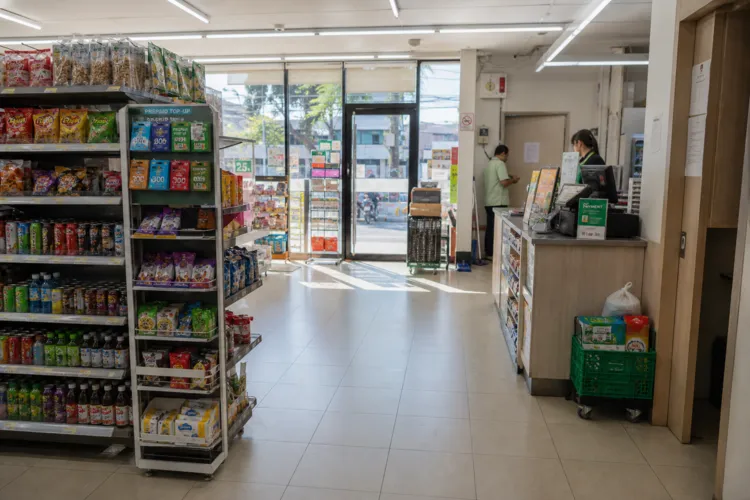
Retail channels and category needs can refine segments into action. Thailand food market sources segment by product type (Processed Food, Beverages, Dairy Products, Confectionary and Snacks), distribution channel (Supermarkets, Convenience Stores, Online Retail and Specialty Stores), and consumer graphics (0–18, 19–35, 36–55, and 60 and above). They also note demand for convenience, nutritional benefits, affordability, plus a growing trend toward premium and organic products. Separately, Thai retail sources describe a widening gap between luxury mall experiences and discount-driven convenience formats, reinforcing the need to map segments to the channel formats they actually choose.
How should I approach market segmentation in Thailand without assuming Bangkok represents the whole country?
Which digital adoption figures are useful for planning consumer segments in Thailand?
What makes Bangkok and Greater Bangkok a distinct segment for retail targeting?
Why should tourist zones be segmented separately in Thailand?
How can food categories and channels help build more actionable consumer segments?