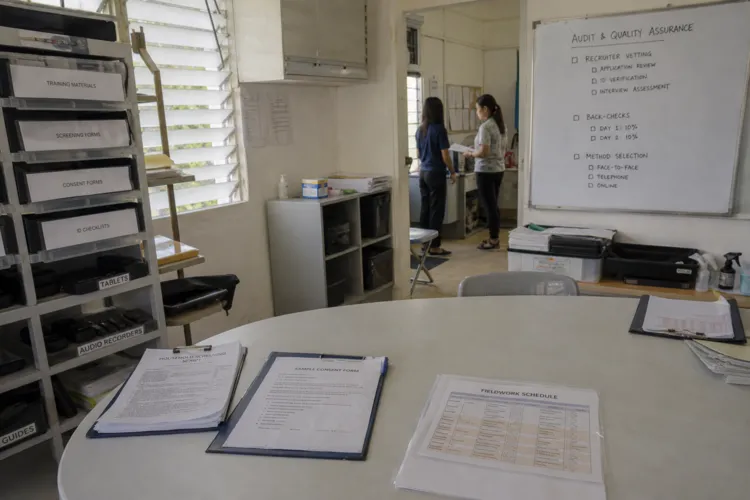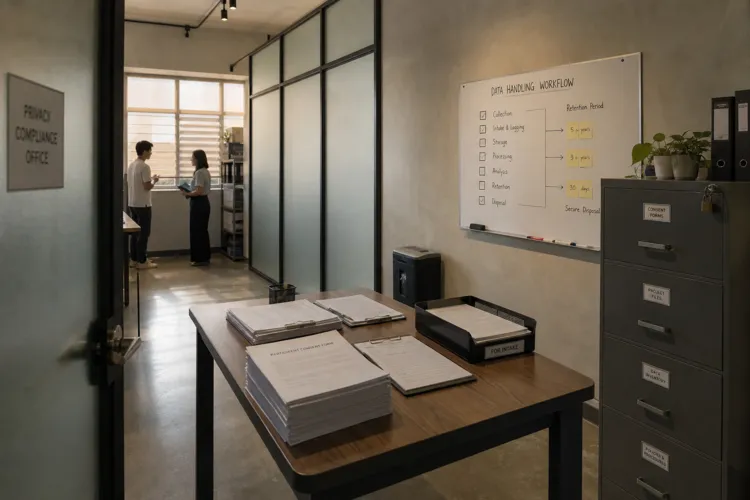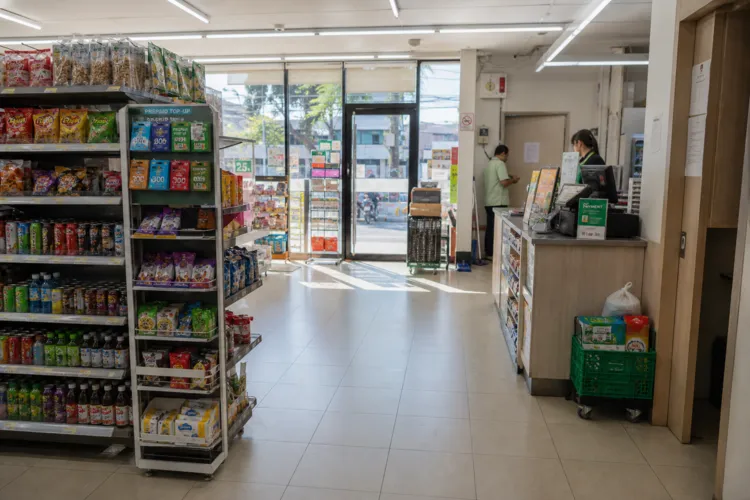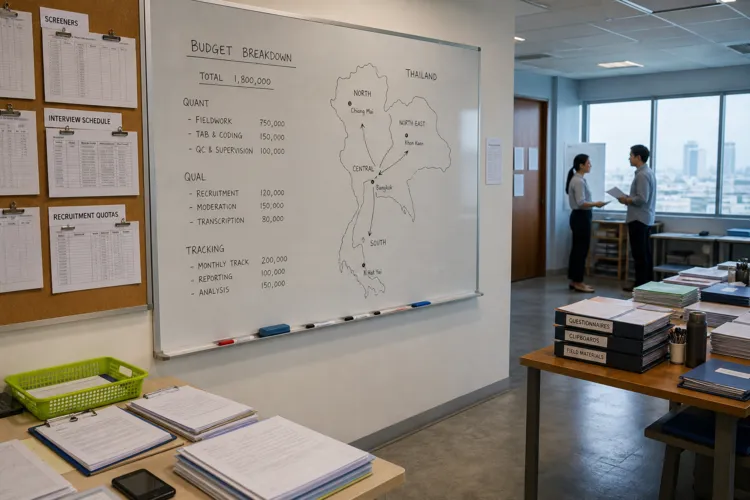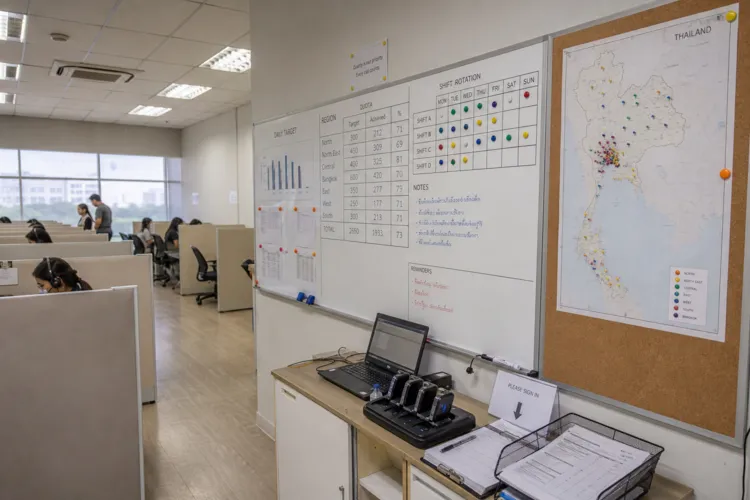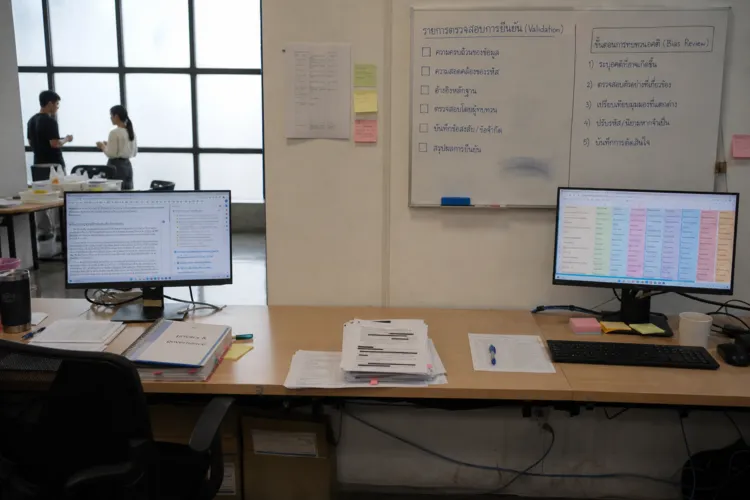
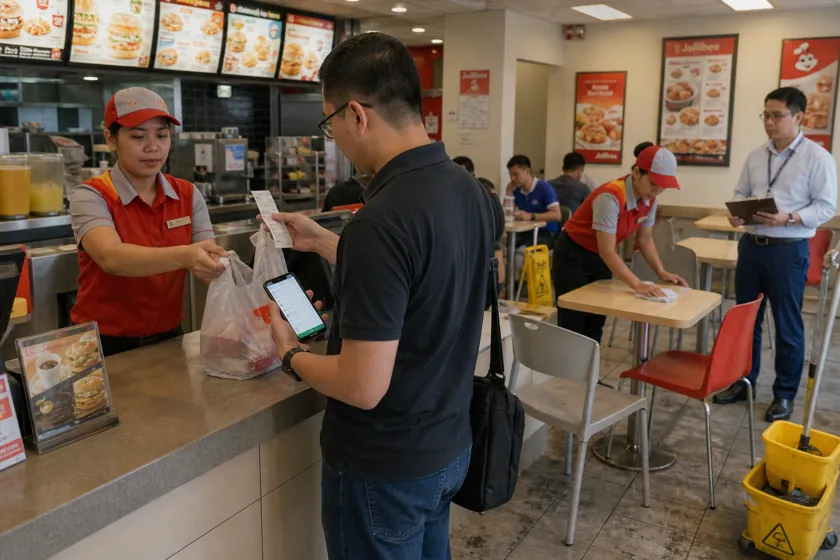
Setting up a mystery shopping program across Philippine retail and quick-service restaurants (QSR) starts with clarity on what you want to learn. Mystery shopping is a market research technique that deploys trained evaluators who act as ordinary customers and report on service quality, compliance with standards, and the overall customer experience. This approach is designed to deliver unbiased feedback from a consumer perspective, which makes it useful when you need consistent execution across many sites. It also fits an omnichannel reality, because assessments can cover in-store behaviors and the end-to-end journey customers experience across touchpoints.
Ground your program in the local operating context. A Philippines retail market report values the country’s retail market at USD 45.62 billion in 2024 and projects it to reach USD 78.90 billion by 2032, with a CAGR of 6.9% from 2026 to 2032. The same source describes a dual structure where traditional formats such as sari-sari stores and wet markets coexist with modern trade, and it notes retailers are increasingly adopting omnichannel strategies linking physical footprints with online storefronts and digital payments. For multi-branch retailers and QSR operators, that mix makes consistency harder and makes independent, location-level observation more practical.
Build the Program: Metrics, Channels, and Partnering
Design your scorecard before you scale your fieldwork. One practical approach is to identify the metrics that matter and keep them centered on the “why” so you avoid analysis paralysis and focus on insights you can act on. Use your initial measurements across all locations as a baseline, then measure improvement over time. For retail and QSR, align checks to service behaviors, brand standards, and compliance with company policies and regulatory requirements. Because field evaluators are human, precise instructions, realistic scenarios, and clear pass-fail definitions reduce noise and improve comparability between branches.
Choose service types that reflect the journey you want to monitor. A global report segments mystery shopping by in-person, telephone, online, and video approaches, and describes how technology has expanded the scope beyond classic store visits into smartphone-enabled and platform-driven reporting. Another global market report values the mystery shopping market at $2.8 billion in 2025 and projects $5.1 billion by 2034, a CAGR of 6.9% from 2026 to 2034, while noting North America held about 36.2% of 2025 revenues (roughly $1.01 billion). Use those global figures as context only, then apply the logic locally: combine in-person visits for frontline execution with online evaluations for digital ordering, delivery touchpoints, and customer support consistency.
Operationalize results so the program changes behavior, not just dashboards. Mystery shopping is often used to ensure service standards and brand values are consistently met across locations and to verify staff compliance with procedures. Treat findings as inputs to coaching, refresher training, and quality management cycles. Many programs succeed or fail based on execution support, so consider working with a trusted mystery shopping partner who can align with your objectives and deliver actionable insights. In the Philippines, this “mystery shopping Philippines” effort is strongest when reporting cadences, remediation ownership, and follow-up validations are agreed in advance, so each branch knows what must improve next.
What is mystery shopping and what does it measure for retail and QSR?
How do you set the right metrics for a mystery shopping program?
Which channels can a modern mystery shopping program cover?
How can mystery shopping in the Philippines fit an omnichannel retail environment?
Why work with a mystery shopping partner instead of running everything alone?