
In Singapore, strong digital maturity and reliable data infrastructure shape how B2B and technology studies should be designed. A practical starting point is to align your scope with what the market makes measurable at speed: digital behaviors, competitive movements, and adoption barriers. Singapore’s “digital default” shows up in usage patterns and commerce mechanics. For example, mobile apps secured 78.13% of online orders in 2024, and smartphone apps represented 77.58% of transactions in 2025. That reality should influence survey modes, panel recruitment, and how you test messaging for tech products that must work in mobile-first workflows.
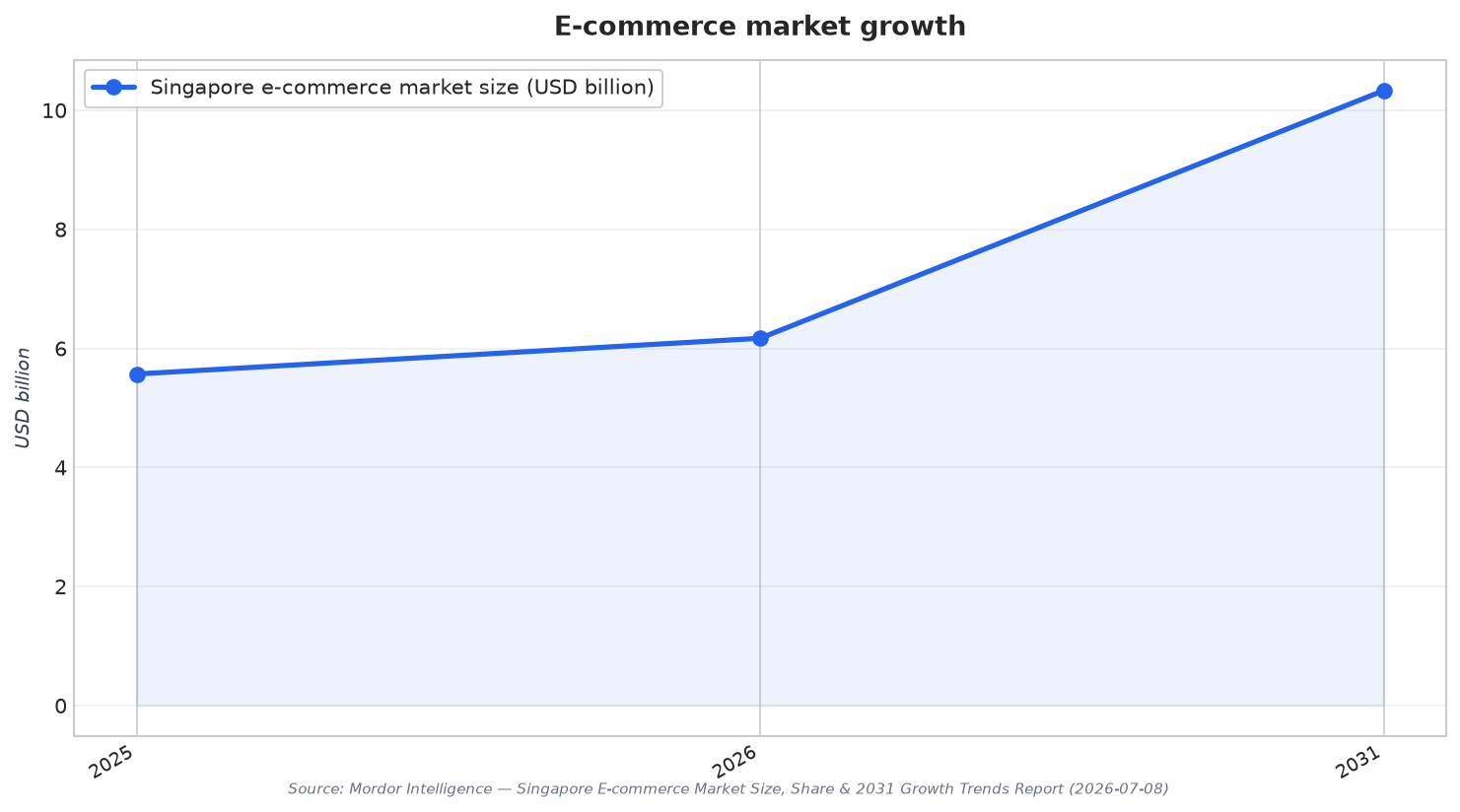
Good B2B market research Singapore programs also anchor decisions in credible baselines from official and reputable sources. Singapore’s e-commerce market size in 2026 is estimated at USD 6.17 billion, growing from USD 5.57 billion in 2025, with projections showing USD 10.33 billion by 2031 and a 10.84% CAGR over 2026–2031 (per Mordor Intelligence’s estimation framework). Within that context, B2C accounted for 87.65% revenue share in 2025, while the B2B segment is advancing at a 12.31% CAGR through 2031. For tech vendors building B2B commerce, those splits help frame where to prioritize discovery: procurement workflows, marketplace dynamics, and operational constraints such as compliance and fraud-analytics needs.
Best Practices: Privacy, Sampling, and Quality Control
Build your methodology around PDPA expectations from day one. Singapore’s Personal Data Protection Act (PDPA) sets a clear framework for data handling, so collection, storage, and analysis processes must respect those guidelines. In practice, that means transparent consent language, minimal data capture, and secure platforms for online surveys or structured interviews. It also means thinking ahead about audience reach. While English is prevalent, Mandarin, Malay, and Tamil can be important for reaching specific groups. Multilingual fieldwork helps reduce coverage bias, especially when you need role-based insights across varied industries and job functions.
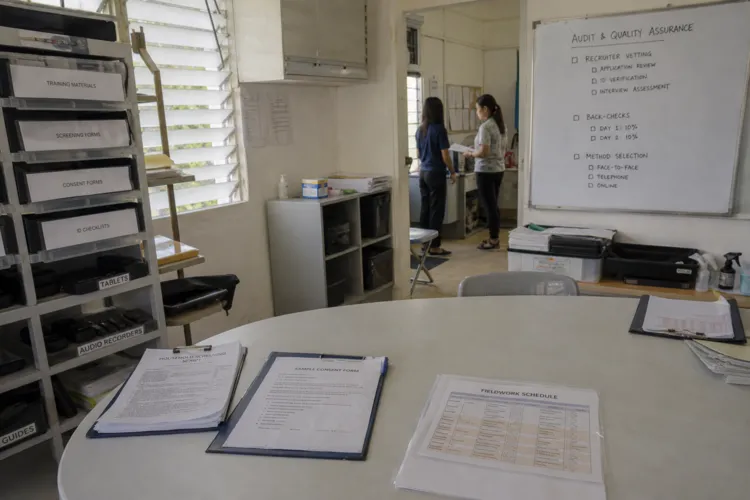
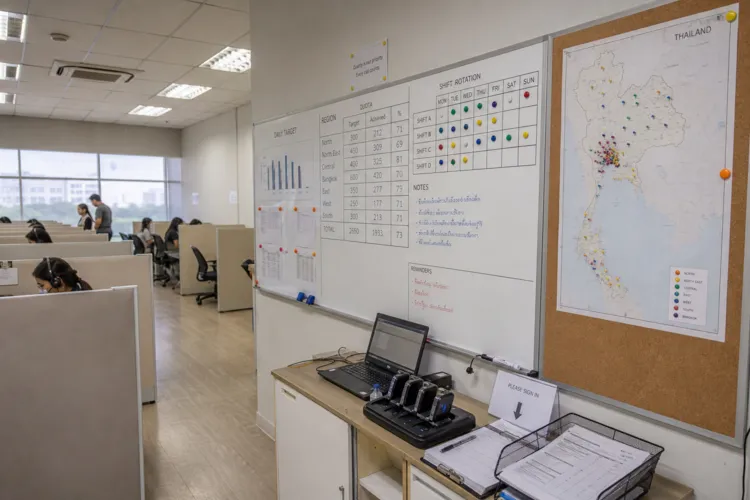
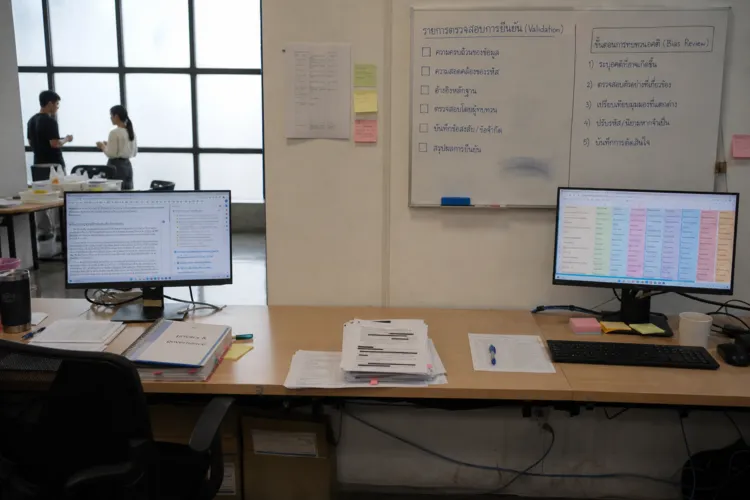
Plan for the hard part of B2B: niche segments. Public data can be limited and participation rates may be low for smaller, specialized B2B audiences, so augmenting business intelligence with targeted in-depth interviews can fill critical gaps. Use a mix of in-country proprietary panels, B2B databases, and targeted digital outreach for primary data, then triangulate with government statistics and financial disclosures for secondary validation. Add systematic quality control at every stage, from questionnaire design and fieldwork supervision to data validation and analysis, supported by screening steps like multi-level logic validation, attention checks, and flags for recent research participation.
Finally, connect insight to action with outputs that match how tech teams execute. In Singapore, common applications include competitive landscape mapping, customer segmentation, opportunity sizing for launches or entries, brand health tracking, customer journey mapping, and pricing research. For technology categories, also consider integrating big data analytics, social media insights, and online behavior analysis to complement survey findings. When selecting a partner, look for proven B2B and technology research capability and dashboard-based competitive intelligence, plus transparent, ethical research standards that emphasize accuracy and unbiased results.
What makes Singapore a strong environment for B2B and technology research?
How should teams stay compliant when collecting data in Singapore?
What are key e-commerce context signals that can shape tech research design in Singapore?
How can researchers reach niche B2B segments in Singapore when public data is limited?
What are best practices for B2B market research in Singapore for tech buyers and sellers?