Designing survey sampling in Indonesia beyond Java starts with admitting how easy it is to overfit to Jakarta. One source notes that Jakarta and Java account for 57% of GDP but only 40% of the population, which means city-first sampling can skew results toward one economic engine rather than the country’s full consumer reality. Indonesia is also described as 285 million people across 17,000 islands, speaking over 700 languages, with purchasing behaviour that varies by island, religion, generation, and income tier. Treating one metro area as “national” turns your study into Jakarta data, not Indonesia data.
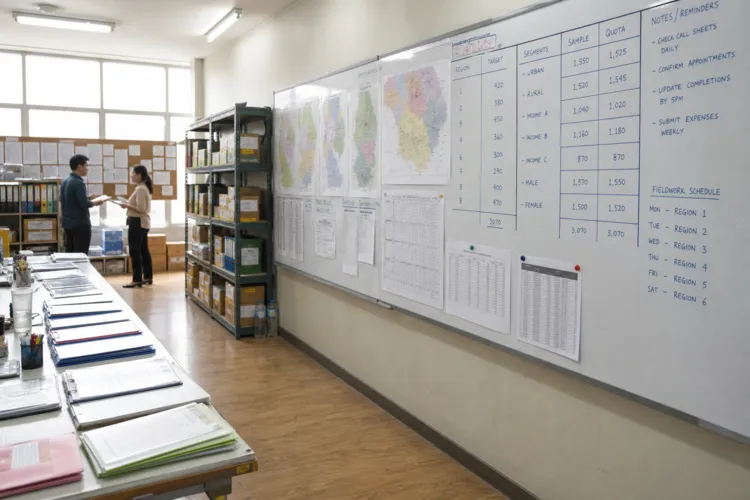
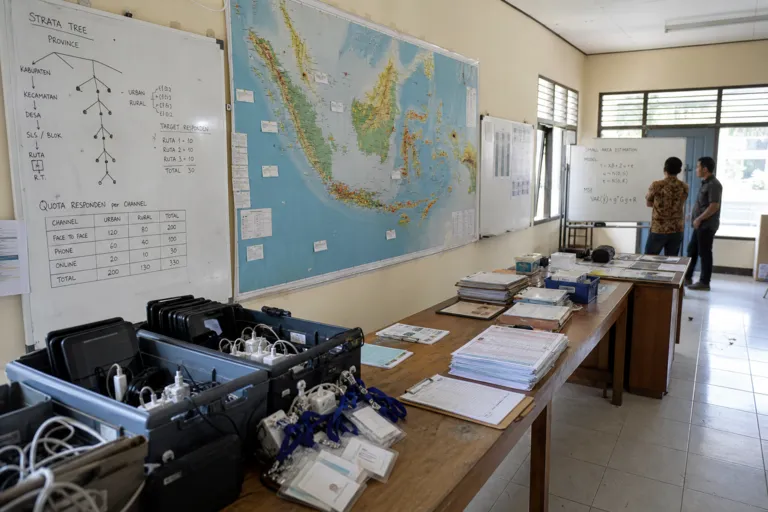
A representative approach begins with explicit geographic strata. Panel-based survey programs highlight the ability to reach audiences across Java, Sumatra, Kalimantan, Sulawesi, Papua, and beyond, including smaller towns and rural areas. That matters because smartphone-enabled reach does not automatically equal balanced coverage; you still need quotas and monitoring to ensure provinces outside Java are not under-sampled. For practical fielding, the same source notes you can target major cities such as Jakarta, Surabaya, Bandung, Medan, Bali, and Makassar, while also extending recruitment into rural and small-town segments for a truer national picture.
How to Reduce “Big-Region Bias” With Smarter Strata and Estimation
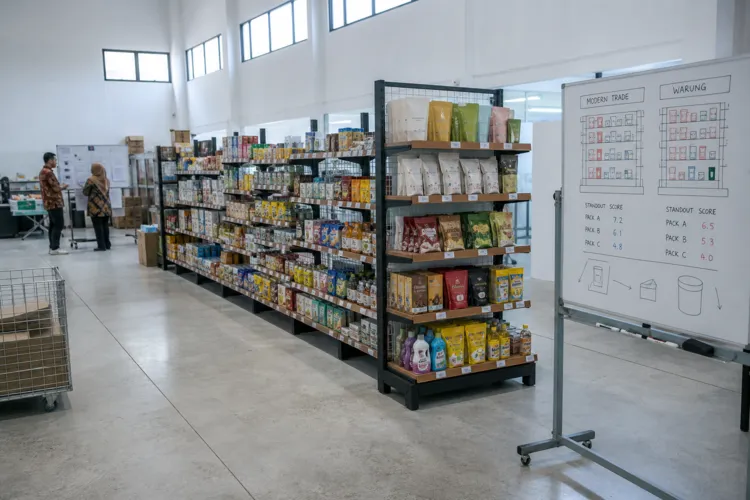
Stratification should reflect not only geography but also channel reality. One market research overview emphasizes that modern trade penetration is lower than smartphone penetration suggests, and that traditional trade—warungs, wet markets, and small independents—still accounts for the majority of FMCG volume outside major urban centres. If your sampling frame only mirrors modern retail shoppers, you may miss consumers whose primary purchasing happens elsewhere. Retail channel data can provide a concrete check: convenience stores and minimarkets held a 42.38% share in 2025, which can inform how you allocate samples across shopping missions, formats, and city tiers when building questionnaires and quotas.
Even with careful quotas, standard surveys can struggle to deliver reliable local insights at finer administrative levels. UN sources explain that traditional surveys are robust for national or provincial estimates but often lack the granularity needed for district- or city-specific interventions. This is where Small Area Estimation (SAE) is positioned as a practical complement: it combines survey data with additional sources such as census or administrative data to produce statistically sound figures for smaller geographic areas. In Indonesia, Statistics Indonesia is increasingly utilising SAE, supported by a Small Area Estimation Implementation Framework developed between October 2024 and June 2025 to standardise processes and improve consistency and reliability across institutions.
Finally, “representative” also means culturally and linguistically plausible. Demographic summaries describe Indonesia as highly diverse, noting over 270 Papuan languages in the eastern regions and that Javanese is spoken as a mother tongue by over 80 million speakers. Sampling plans should therefore anticipate survey language, comprehension, and localization needs, especially when expanding into Eastern Indonesia. If you are validating growth hypotheses beyond Jakarta, consider the regional signals already visible in sector research: Sulawesi is forecast as the fastest-growing region at an 8.75% CAGR, while Bali is linked to tourism and cashless readiness. Used carefully, these context cues help prioritize where to deepen samples, without pretending one island can stand in for the archipelago.
Why is Jakarta-only research risky when sampling across Indonesia?
What is a practical way to structure sampling beyond Java?
How can Small Area Estimation support local representativeness?
How should retail channels influence sample design outside major urban centres?
What should researchers consider when planning survey sampling in Indonesia across many provinces?