Representative sampling in Southeast Asia starts with admitting how uneven the region is. One source frames the region as six major e-commerce markets—Indonesia, Thailand, Vietnam, the Philippines, Malaysia, and Singapore—representing over 680 million people, with internet penetration climbing past 75%. It also describes a digital economy that reached USD 218 billion in GMV in 2023, with e-commerce at approximately USD 139 billion. Those figures are useful for context, but they do not remove the practical issue: samples can over-index on connected, mobile-first consumers and miss people in harder-to-reach geographies. Another source notes logistical barriers that restrict market penetration and limit volume growth in regions that account for 40% of Southeast Asia’s population. If fieldwork ignores those constraints, your sample can look “large” but still be skewed.
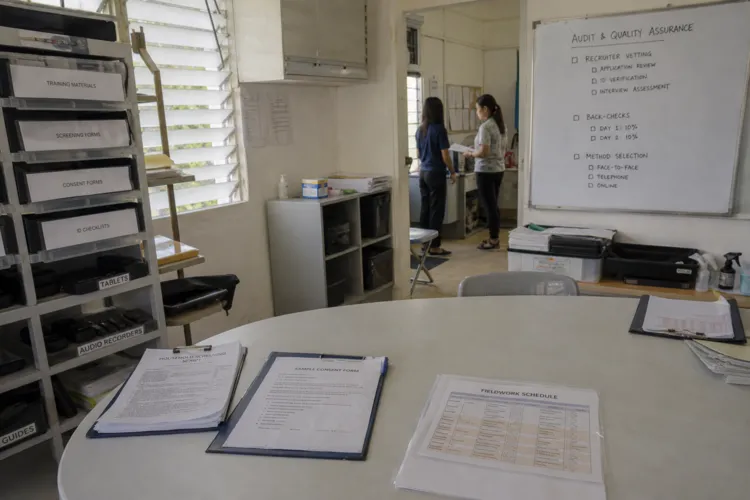
Set expectations for what “representative” means for your decision. A Southeast Asia-focused sample size guide suggests 100–200 respondents for directional insights and pitch validation, while 300–400+ respondents are needed for confident business decisions. It also recommends using official statistics (such as DOSM and BPS) to validate representativeness, and adding booster samples when you need segment-level depth. This is especially relevant when category behavior differs by country, city tier, or access level. Quality control also changes outcomes: the same guide says quality panels typically achieve 40–60% completion rates with pre-screened participants, versus 15–25% for general recruitment. So “representative” depends on both who you reach and whether their data is trustworthy.
Design Quotas Around Real Fragmentation, Not Assumptions
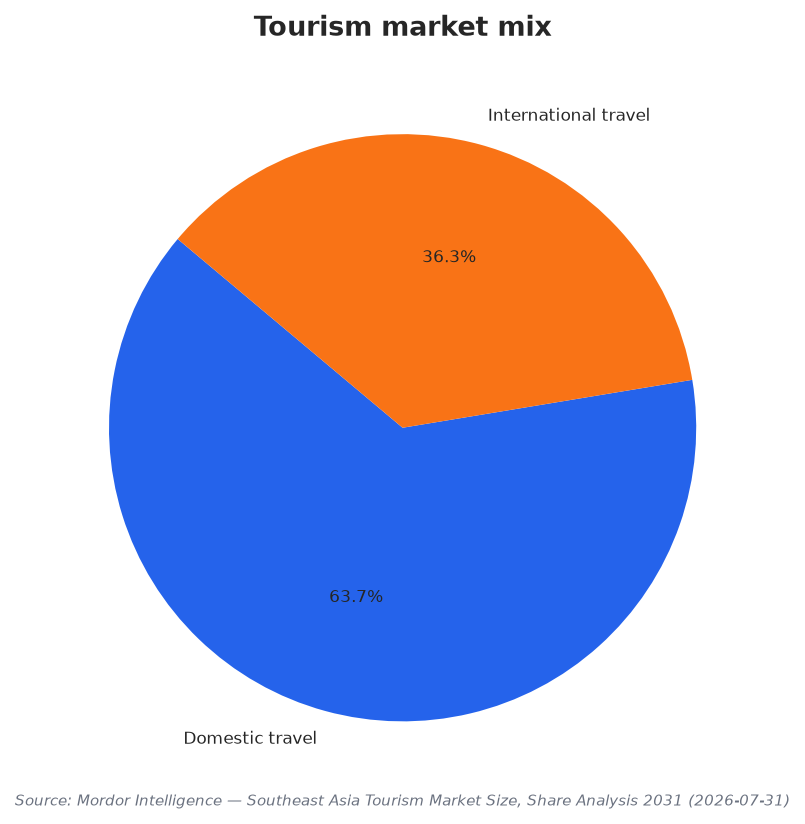
Build quotas that mirror structural fragmentation you can document. Tourism data illustrates how participation can be split by origin and purpose: domestic travel contributed 63.72% of the Southeast Asia tourism market share in 2025, while leisure accounted for 46.89% of the market size in 2025. Geography also concentrates: Thailand commanded 19.06% of the Southeast Asia tourism market share in 2025, while Vietnam is projected to log the fastest 13.22% CAGR through 2031. You should not use these tourism splits as consumer-population facts, but they are a practical reminder to set quotas by market, travel profile, and channel exposure when researching travel-related categories. In fragmented systems, a single “regional” sample often hides country-level differences that are large enough to change decisions.
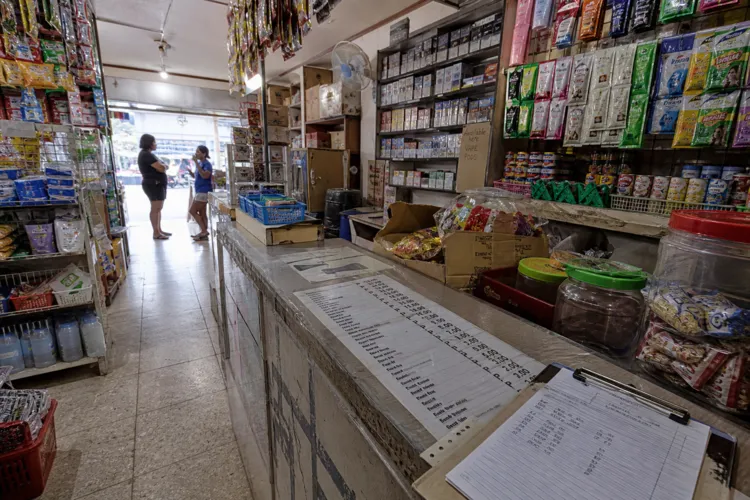
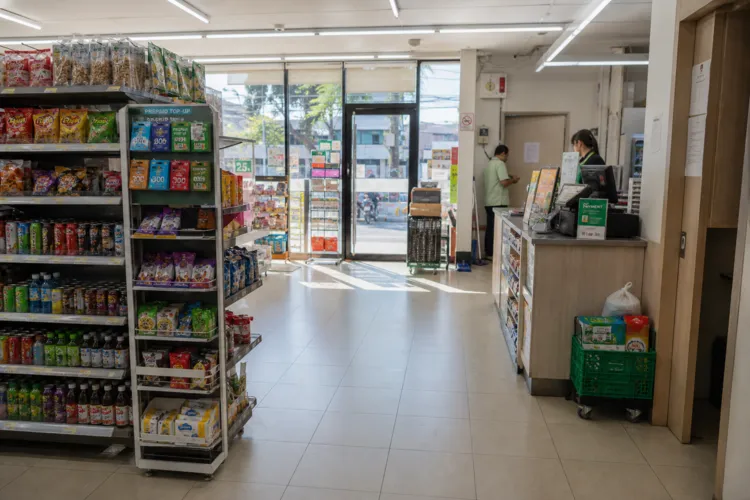
Use category signals to avoid sampling only the easiest-to-reach respondents. In Vietnam, one source cites urbanization now exceeding 40% and an online population of approximately 88 million internet users in 2024. In Indonesia, bottled-water distribution density is described via Danone’s Aqua, which leverages 27 production facilities and is available in 95% of Indonesian retail outlets. Those facts point to two different sampling risks: online research can over-represent digitally active Vietnam consumers unless you set quotas beyond city centers, and retail-intercept designs in Indonesia can over-represent shoppers in channels with the strongest distribution. For sample representativeness in Southeast Asia, triangulate your recruitment sources—online panels, targeted intercepts, and boosters—then validate against official benchmarks before you weight.
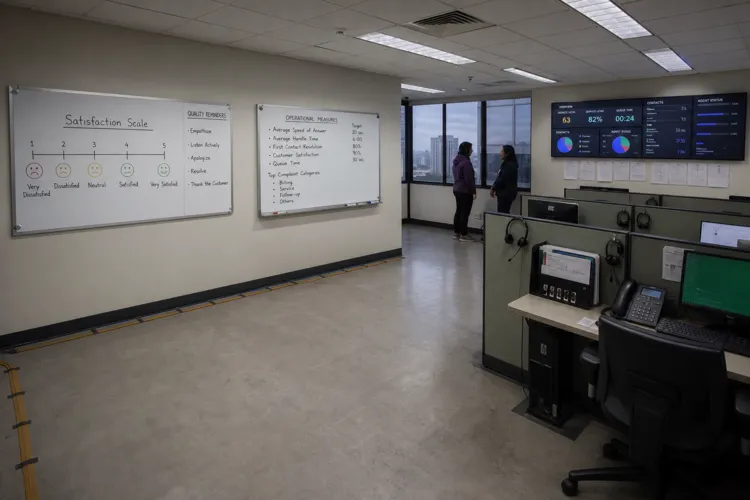
Finally, plan for “local brand reality” when you interpret results. One source describes Thailand’s bottled-water price competition among 200+ brands, and notes that fragmentation enables local bottlers to compete effectively with multinationals via hyperlocal distribution. This kind of market structure can inflate brand awareness in one province while remaining invisible in another. Pair that with fieldwork discipline: monitor completion time, attention-check performance, and response patterns, and prioritize pre-screened panels when you need higher completion reliability. If your go-to-market is digital, the sample size guide also notes that online panels across Southeast Asia exceed 3–5 million respondents collectively, which can support fast quota fills. The core rule is simple: define the population you serve, then prove your sample matches it.
How do I improve sample representativeness in Southeast Asia when markets are fragmented?
How many survey respondents do I need for decision-grade research in Southeast Asia?
Are online panels enough to represent Southeast Asian consumers?
What completion rates should I expect from different recruitment approaches?