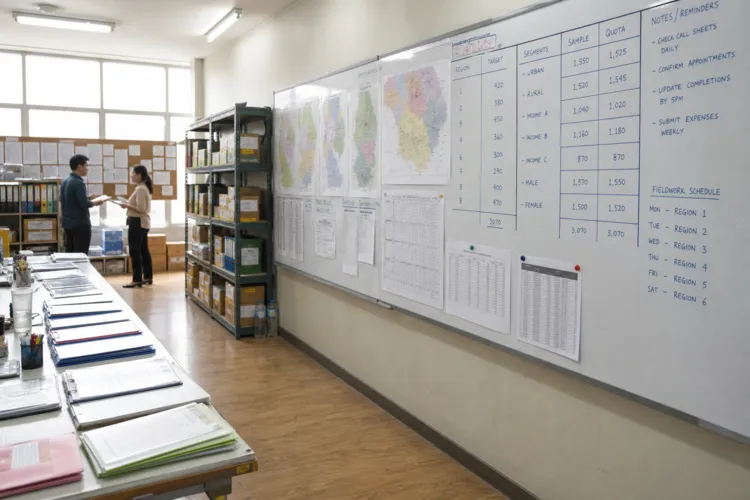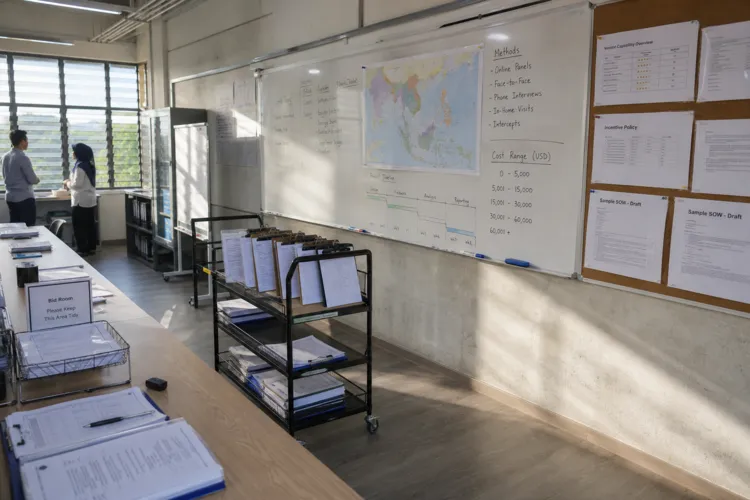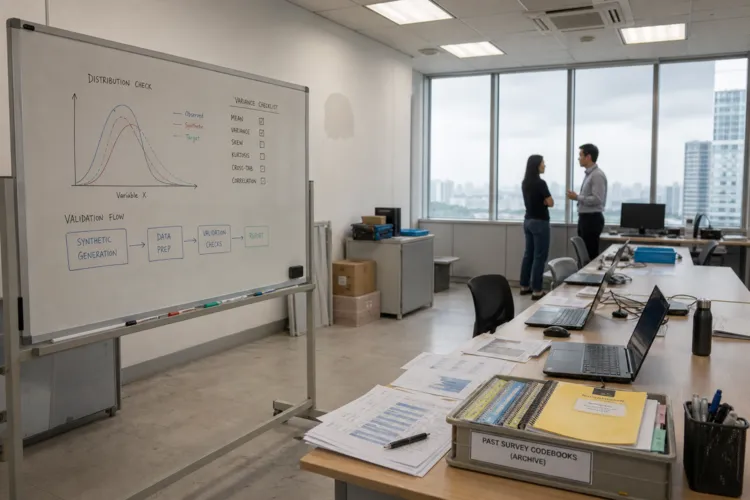

Qualitative research has always faced an operational tradeoff. You could run a small set of in-depth interviews, or you could run large-scale surveys, but combining depth with reach was slow and costly. Recent writing in Harvard Business Review describes AI-powered interviewers as a way to conduct rich, adaptive conversations with thousands of participants quickly and inexpensively. For teams planning AI moderated interviews across Southeast Asia, that matters because the region’s work often spans multiple markets, languages, and time zones, where scheduling and staffing constraints can become the real limiter on learning.
Methodology is the difference between “conversational surveys” and real depth interviews. One market-research guide argues that platforms using fixed question lists will still produce survey-like data, even if the interface feels like a chat. By contrast, adaptive probing can create qualitative output that rivals human-moderated work in depth and consistency. A common approach is laddering. It moves from concrete attributes and behaviors to consequences and values through successive probes. One implementation describes five to seven levels of laddering, with the AI choosing the next probe based on the depth level of the respondent’s last answer and adapting language to the participant’s vocabulary.
What Changes When You Scale to Hundreds or Thousands of IDIs
Scaling qualitative work is not only about collecting more interviews. It is also about analyzing the transcript volume without collapsing into shortcuts. A 2026 methodology guide cites Steinar Kvale’s 1996 “1000-page question,” which captured the analyst-side bottleneck: one person cannot read, code, and synthesize huge volumes of text quickly. That constraint helps explain why many studies stay around 8 to 15 interviews. The same guide claims AI can close the loop by conducting interviews at scale and then coding, clustering, and surfacing themes at scale, so analysis time does not grow linearly with sample size. It also states that a 1,000-interview study can be analyzed in hours rather than months.
For multi-market work, the operational gains are straightforward. One practical guide recommends running multilingual interviews across time zones simultaneously without hiring local moderators in each market. It also notes that participants may share more candidly with an AI than with a live person, potentially reducing social desirability bias on sensitive topics. Another platform description positions AI moderation as enabling hundreds of intelligent, adaptive interviews in the time it used to take to schedule a single focus group. A separate article claims results can arrive in under 24 hours, and another guide frames the economics as roughly $25 per interview for studies that complete in 24 hours.
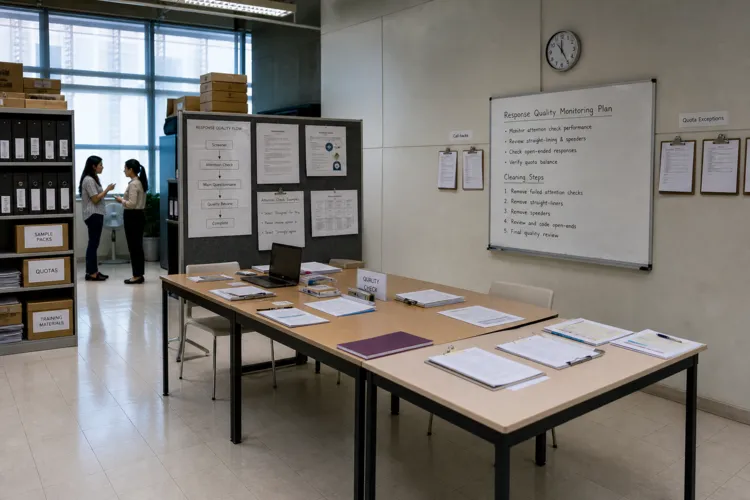
Teams still need guardrails. Recommendations include running a small batch first, manually reviewing transcripts, and fixing probe logic before fielding 500 interviews you might need to recode. Setting minimum response thresholds and flagging low word-count answers can protect data quality. Ethical implementation also matters across markets. One qualitative analysis guide highlights privacy, informed consent, algorithmic bias, and data security, and it states that customer data on Listen Labs is never used for AI model training. It also gives a concrete benchmark for manual work: a skilled analyst needs two to four hours per transcript for thorough coding and thematic analysis, which scales to 100 to 200 analyst hours for 50 interviews.
What makes AI-moderated interviews different from a survey?
How can AI moderation maintain qualitative depth at scale?
Why do teams use AI moderation for Southeast Asia multi-market studies?
What practical quality controls should teams add before running hundreds of interviews?
How long does manual qualitative analysis take compared with AI-assisted approaches?