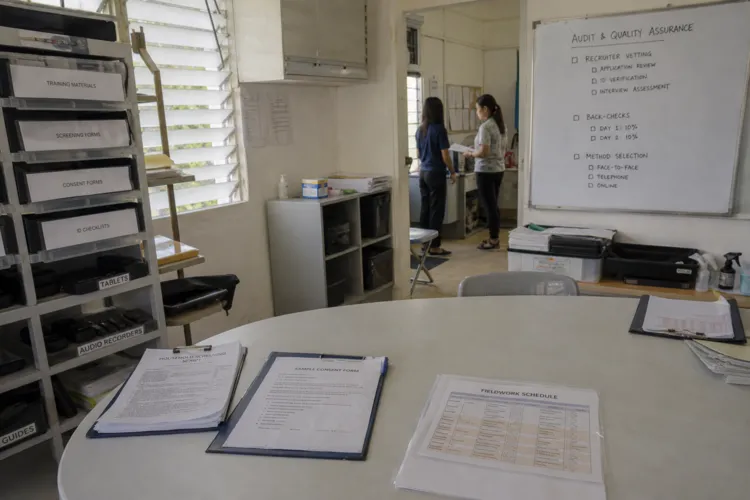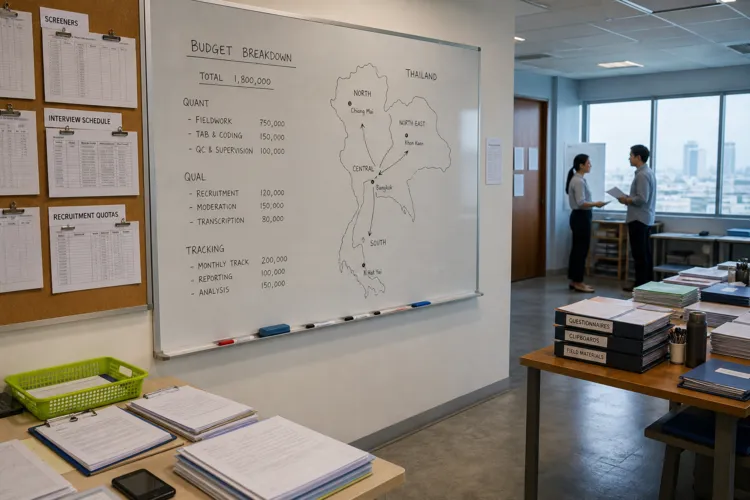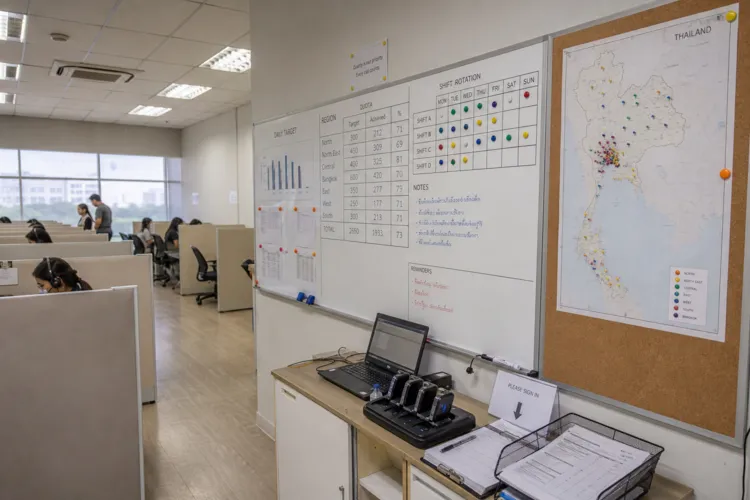

A focus group is a qualitative method where six to ten participants discuss products, services, concepts, or brand experiences under a trained moderator’s guidance. This format is especially useful when you need the “why,” not only the “what.” Group interaction matters because participants react to each other, build on shared experiences, and sometimes surface insights that would not emerge in one-on-one interviews. For a focus group discussion Thailand teams run well, the goal is not volume of opinions. It is to uncover motivations, cultural influences, and emotional triggers that quantitative approaches cannot capture, then translate that learning into practical decisions.
Moderation quality becomes a core research variable in Thailand because cultural dynamics can shape what participants are willing to say. One key factor is “kreng jai,” the tendency to be considerate and avoid direct confrontation, which can inhibit criticism in group settings. Sources emphasize that skilled Thai moderators manage this challenge through indirect questioning and projective techniques, rather than pushing for blunt evaluations. This helps participants share real frustrations without feeling they are embarrassing others or creating conflict. Effective moderation also balances structure with flexibility, so the discussion stays on objective while still following unexpected but meaningful insights.
Recruitment and Group Design: Build for Real Thai Context
Recruitment should represent the target market while preserving diversity of perspectives, using screening criteria that cover demographics, behaviors, and attitudes. In Thailand, working with established local research partners can add value because they combine participant databases with grounded market knowledge. Sources recommend over-recruiting by 20% to 25% to compensate for typical no-show rates, while using appropriate incentives to maintain commitment. Design should also reflect Thailand’s regional variation. One case study describes moderation in both major urban centers like Bangkok and secondary cities like Chiang Mai to capture differences in attitudes and behavior, rather than treating one city’s views as nationally representative.
Cultural nuance is not only about politeness. It is also about how decisions are made and how language carries meaning. Thailand’s consumer behavior can reflect social acceptance and traditional values, with family and community central to decision-making. Language matters too: Thai is the official language, but regional dialects such as Isan are part of the research reality, and nuance is embedded in how people express agreement, hesitation, or dissatisfaction. For reliable insight, sources note that the most dependable programs use locally embedded fieldwork teams and Thai-language moderators instead of relying on Bangkok-heavy online panels that can miss regional and cultural texture.
To get the most from focus groups, treat them as part of a wider research program. Sources describe research design as combining methods across primary and secondary research, and blending qualitative depth with quantitative scale. Focus groups are highlighted as effective for concept exploration, communications testing, and understanding group dynamics, while in-depth interviews can reveal personal motivations without group pressure. A Thailand case study shows how tailored discussion guides, local partners, and parallel qualitative work helped avoid a one-size-fits-all approach and supported more localized products and messaging. The practical takeaway is simple: plan for Thai execution realities, not just global templates, and your findings will be easier to act on.
What is the typical group size for a focus group in Thailand?
Why does “kreng jai” matter when moderating Thai focus groups?
How should recruitment be adjusted to reduce no-show risk?
How can you capture regional differences in a focus group discussion in Thailand?
When should you pair focus groups with in-depth interviews in Thailand research?