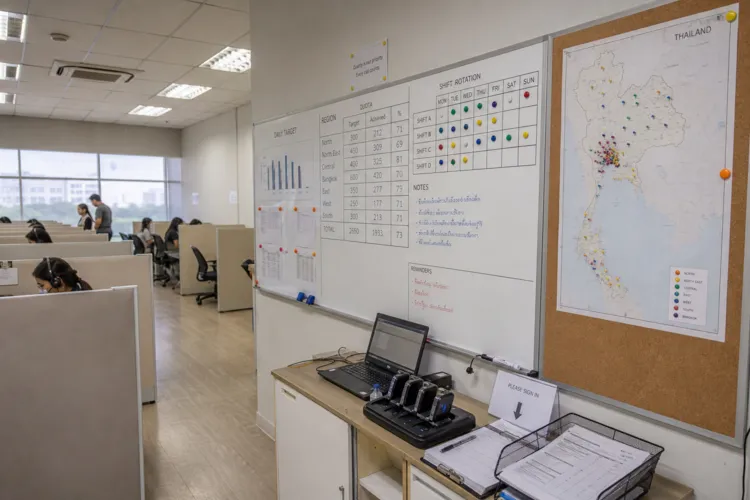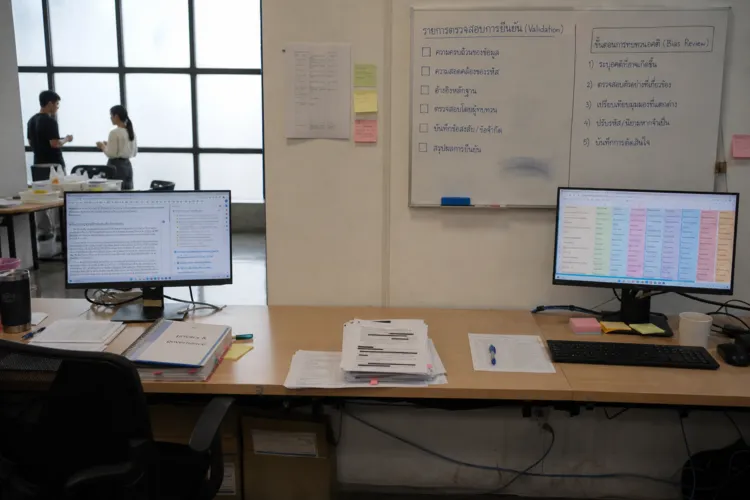
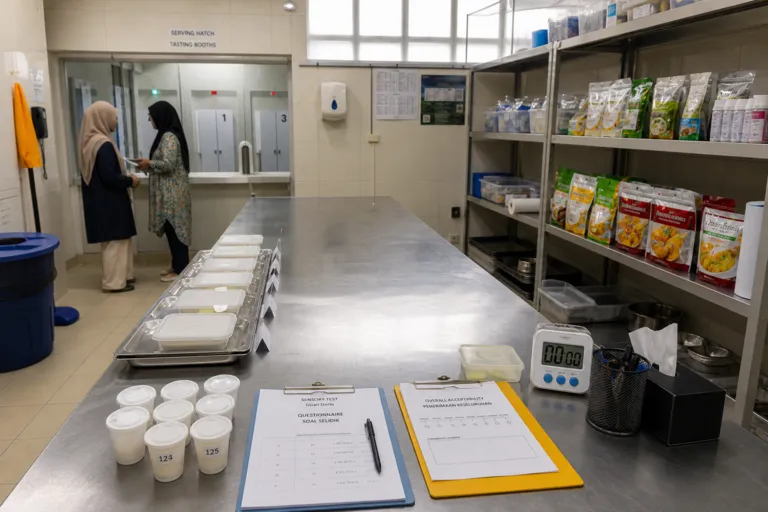
Strong product and concept testing in Malaysia starts with disciplined market research. SIS International Research describes market research in Malaysia as a way to understand the country’s economic landscape, consumer behaviors, and competitive environment, using data on trends, customer preferences, regulatory requirements, and competition. Malaysia’s cultural diversity also matters, with significant Malay, Chinese, and Indian communities influencing consumer preferences and behaviors. For teams planning new products, that makes early-stage concept screening essential: you want to validate whether a proposition resonates across segments, and you want to identify which benefits, claims, and price-value cues create clarity rather than confusion.
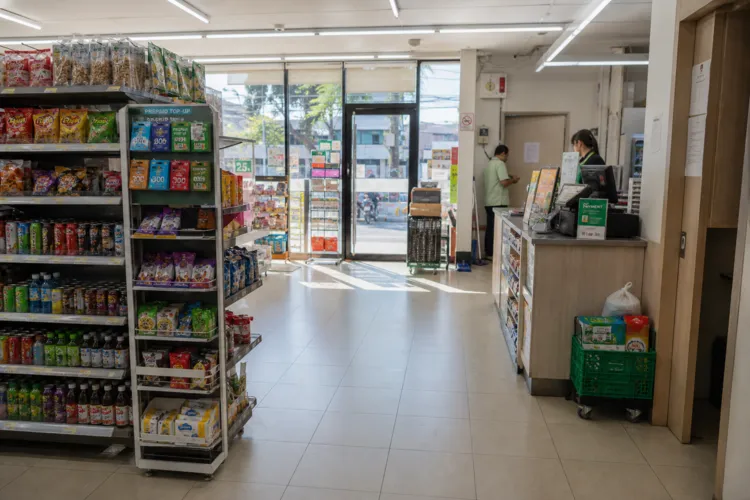
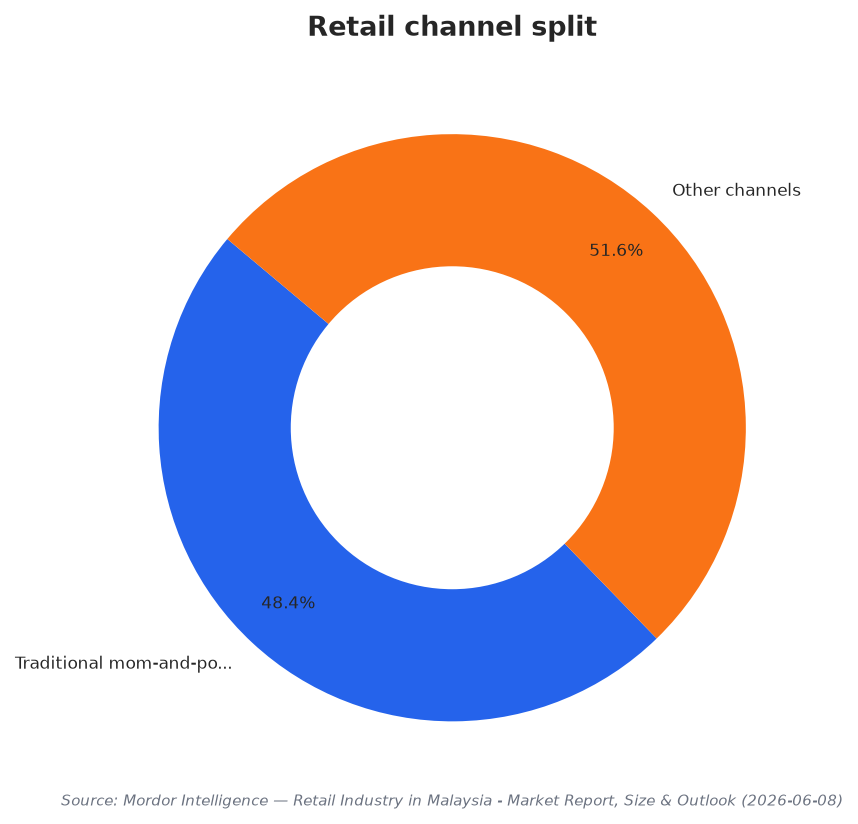
Method selection should reflect where shoppers buy and what they prioritize. Mordor Intelligence estimates Malaysia’s retail market size at USD 132.28 billion in 2026 and projects USD 159.96 billion by 2031, at a 3.87% CAGR. It also reports that food, beverage, and tobacco led with 57.39% of retail market share in 2025, while traditional mom-and-pop stores held 48.37% by channel. Convenience stores commanded 51.82% by format in 2025. These specifics can shape your testing plan: run in-store intercepts or assisted sessions for traditional trade, then pair them with online concept tests to capture convenience-led missions and value-focused choices driven by price sensitivity and essentials.
Core Testing Methods That Fit Malaysia’s Reality
For concept tests, keep the survey tight and decision-oriented. Vase.ai notes that 10–15 questions per concept are typically sufficient for clear direction, and you do not need 25+ questions per concept unless doing deep-dive analysis. It also highlights a practical budgeting point: cost per concept decreases as you test more concepts in a single study, and testing four concepts costs less than four times testing one. In Malaysia, language planning is a must. Vase.ai says most Malaysian consumer research requires at least Bahasa Malaysia and English, and that Malaysian providers typically offer better local panel coverage, language support, and cultural understanding, while international providers may be better for multi-country studies or specific methodologies.
Digital behavior adds both opportunity and friction to testing. Mordor Intelligence reports that the communications regulator logged over 70,000 online-scam cases in 2024, costing consumers more than MYR 1.8 billion (USD 420 million). It also states that high-profile telco breaches heightened fears around credential theft, pushing cart-abandonment to 68% in 2025. When you test purchase journeys or checkout concepts, include trust cues and risk perception measures, not only appeal. For B2B concept validation, Mordor Intelligence notes that wholesale marketplaces such as Dropee and Ralali automate invoices and can shrink working-capital cycles by up to 18 days, but B2B GMV remains clustered in Peninsular Malaysia because East Malaysian manufacturers still face prohibitive air-freight costs.
Finally, anchor testing to realistic rollout constraints and category contexts. Arizton values Malaysia’s data center market at USD 6.15 billion in 2025 and expects it to reach USD 11.40 billion by 2031, growing at a 10.85% CAGR; it also notes the Malaysian government promotes Green Data Center Guidelines under MDEC. That matters for digital-first products where performance, hosting, and sustainability messages may shape perceptions. Fitch Solutions adds that Malaysia’s tourist arrivals fell 3.3% year over year in May 2026 and forecasts full-year arrivals at 27.97 million, up 5.1% year over year and 7.2% above 2019 levels. Use these signals as context when you schedule fieldwork or test travel-linked offers, and ensure you budget time for analysis, because Vase.ai warns that raw data without analysis is often useless.
How should teams approach product concept testing in Malaysia?
How many questions should a concept test include per concept?
Does testing more concepts in one study change costs?
What e-commerce risks should be considered when testing purchase journeys in Malaysia?
Which retail realities can influence product testing plans in Malaysia?