Designing research for Malaysia starts with the reality of a diverse consumer base. Malaysia is described as a melting pot of cultures with significant Malay, Chinese, and Indian communities, and this diversity can shape preferences and behaviors. That is why market research is positioned as a way to understand consumer behaviors, customer preferences, industry trends, and the competitive environment before making strategic decisions. For multicultural consumer research Malaysia teams, the risk is not a lack of data, but shallow data. If studies treat cultural groups as monolithic or reduce findings to stereotypes, they miss the meaning behind choices and the motivations that sit under reported behavior.
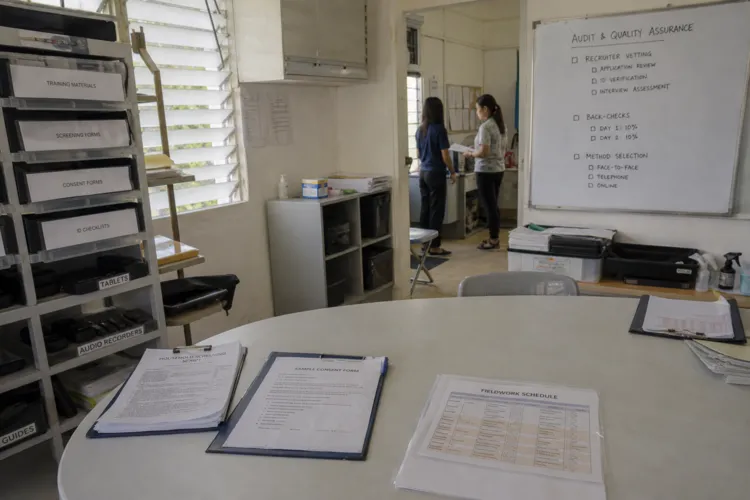
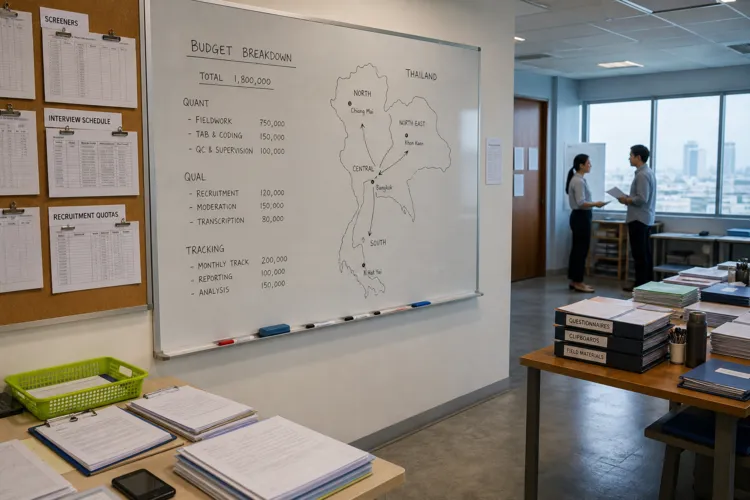
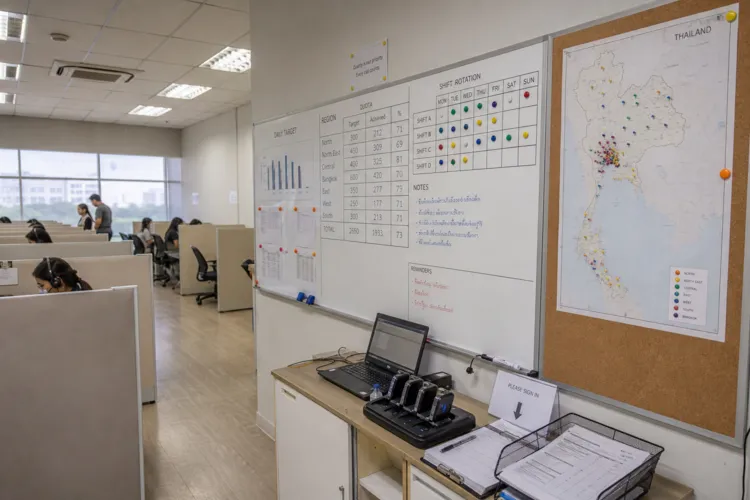
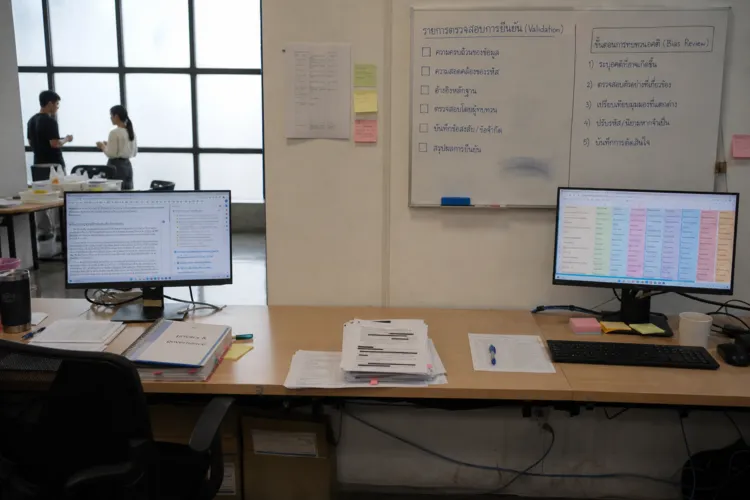
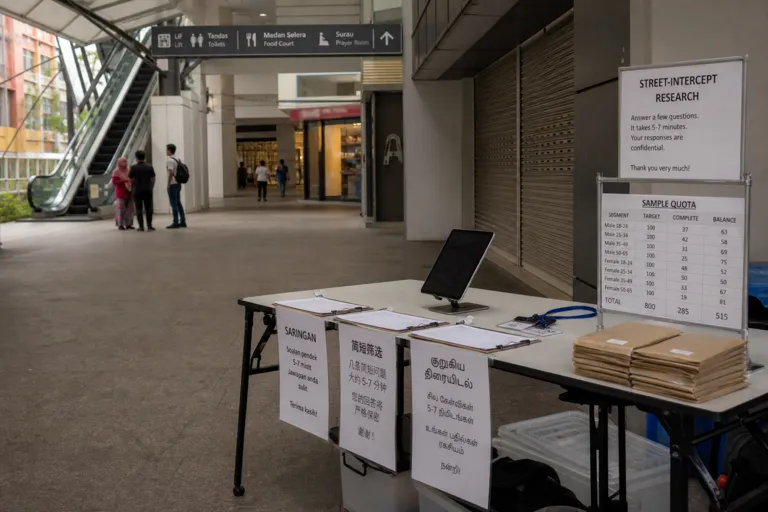
Method selection should match the questions and the cultural context. In Malaysia, agencies and platforms highlight common approaches such as focus groups, in-depth interviews (IDIs), ethnographies, online communities, large-scale surveys, and hybrid designs. These methods can be combined to move from discovery to validation: qualitative work to surface cultural language and decision frames, then surveys to quantify patterns. Execution details matter too. On-the-ground logistics can include recruitment, scheduling, venues, translation, incentives, and compliance, while coverage can span Kuala Lumpur, Petaling Jaya, Johor Bahru, Penang, Kota Kinabalu, and Ipoh. Practical planning like this helps ensure each segment is heard on its own terms, not squeezed into a single template.
Build for Language, Sampling, and Speed—Not Just Inclusion
Language design is a core research variable, not an afterthought. Multicultural research guidance warns that running the same English-language guide across segments can look inclusive while stripping out nuance. In-language research is framed as non-negotiable because consumers express motivations and values most authentically in the language they think and feel in, and different languages encode different concepts. Operationally, AI-moderated interview platforms with multilingual capabilities are described as making this feasible, including examples of platforms operating in 50+ languages. In Malaysia execution, bilingual moderators and simultaneous translators can support authentic expression in sessions and help global stakeholders follow in real time.
Sampling and fieldwork timelines should align with business speed and segment needs. One Malaysia-focused platform states it can recruit respondents across regions and deliver survey results in as fast as 1 day, with projects that can start in seconds and gather data in days. That speed can help teams iterate fast, but it also raises the bar on sample design so insights stay stable at the segment level. Beyond methodology, researchers should ground studies in the market context clients operate in. Malaysia’s GDP is cited at USD 422 billion in 2024, with 2025 growth projected between 3.8% and 4.5%, and GDP per capita expected to reach USD 12,414 in 2025. These macro signals can shape the right study cadence and the right mix of essential-versus-discretionary questions.
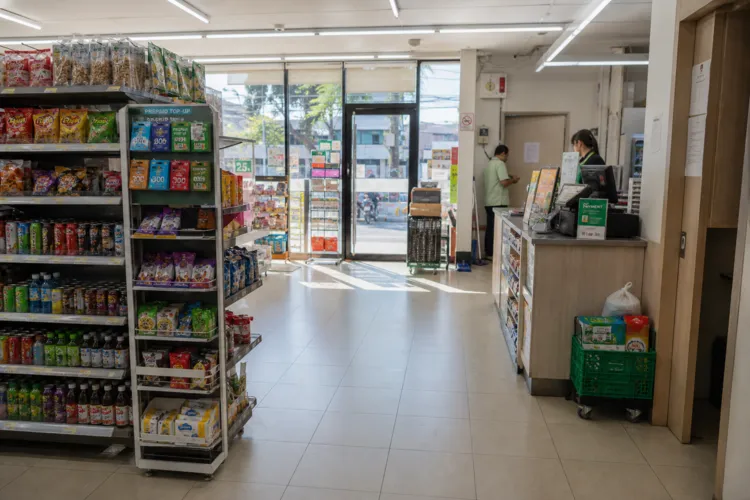
Finally, tie multicultural insights to where purchases happen: across retail formats and digital journeys. Malaysia’s retail market is estimated at USD 132.28 billion in 2026 and projected to reach USD 159.96 billion by 2031, at a 3.87% CAGR. Convenience stores are cited as commanding 51.82% of market share in 2025 and advancing at a 5.11% CAGR through 2031. Digital adoption is also central to research design: the number of e-commerce users in Malaysia is expected to increase by 75.91% from 2024 to 2029, reaching an estimated 18.81 million users. Studies should test messaging, trust cues, and channel consistency because shoppers move fluidly between store visits and online research, making consistent pricing and service across channels more important.
How do you design multicultural consumer research in Malaysia without relying on stereotypes?
Which research methods are commonly used for Malaysian consumer studies?
How fast can Malaysia survey research be completed using online panels?
What market numbers should researchers keep in view when designing studies in Malaysia?
Why must research designs account for e-commerce growth in Malaysia?