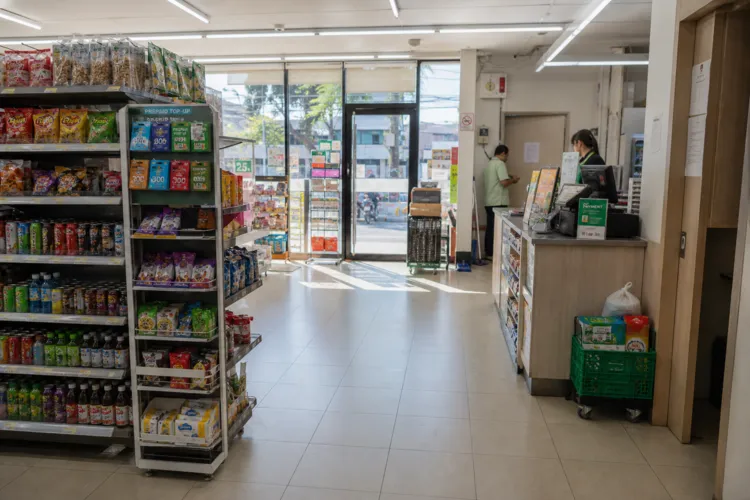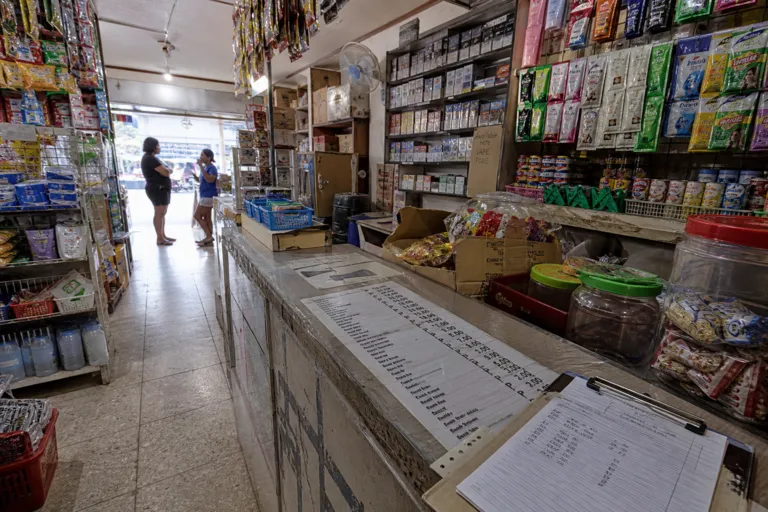
In the Philippines, pricing decisions often start with how people buy: in small, affordable quantities known as tingi. This behavior supports a wide sachet economy where products such as shampoo, toothpaste, coffee, and condiments are sold in single-use packs and small bottles, with broad reach through sari-sari stores. One practical implication for pricing research Philippines teams is that the “right” price is rarely a single national number. It is a set of price points that must work in low-unit purchases, in neighborhood micro-retail, and across categories that shoppers treat as daily essentials.
Any price-point test for sachet and tingi shoppers should be grounded in how big this consumption behavior is. FAST Logistics Group states that Filipinos consume about 164 million sachets daily, and that these items are readily available across the Philippines, even in remote areas, because of sari-sari stores. That scale matters when you test thresholds, because small shifts in acceptable price can affect a very high-volume stream of daily transactions. It also clarifies why affordability and accessibility are repeatedly cited as core drivers of sachet popularity, especially for households that cannot buy in bulk without financial strain.
Designing Price-Point Tests Around Real Channels and Data
To test price points credibly, combine structured price collection with channel-specific fieldwork. The Philippine Statistics Authority’s Retail Price Survey (RPS) is designed to collect retail prices and relevant marketing information at various frequencies in pre-selected major trading centers throughout the country. That kind of systematic price capture can inform which price bands are already common and which are outliers worth testing. Then layer on sari-sari store checks and distributor feedback, since these outlets are described as a staple retail format in Filipino communities and a key access point for sachets and single-serve items.
For categories where sachets are deeply tied to buying behavior, price testing should also include elasticity and switching risks. A Philippines hair care market research methodology described by Nexdigm explicitly references testing assumptions on sachet demand and price elasticity, followed by triangulation using desk research, trade checks, and observed consumer purchasing behavior. It also highlights sachet waste as a structural challenge because sachets align with tingi-style low-unit purchases while attracting regulatory scrutiny. In practice, that means your tests should measure not only what shoppers will pay, but also how pack-size choice and channel choice change when prices move.
Finally, price-point research should adapt to categories that span both everyday affordability and seasonal or gifting spend. IMARC reports the Philippines confectionery market at USD 886.3 million in 2025, with a projection to reach USD 1,122.5 million by 2034 at a 2.66% CAGR for 2026–2034. Nexdigm also describes sari-sari stores as the most widely distributed confectionery retail channel in the Philippines and notes that these outlets stock affordable confectionery in single-serve and sachet formats for lower-income segments. Use those realities to structure tests that separate “daily bite-sized” price points from higher-ticket gifting packs, while keeping the scope explicit to the Philippines.
How should pricing research in the Philippines account for tingi buying?
What Philippine source can support price benchmarking before testing?
What figure highlights the scale of sachet consumption in the Philippines?
Why include sari-sari stores in sachet price-point tests?
How can confectionery data help structure price tests without overgeneralizing?