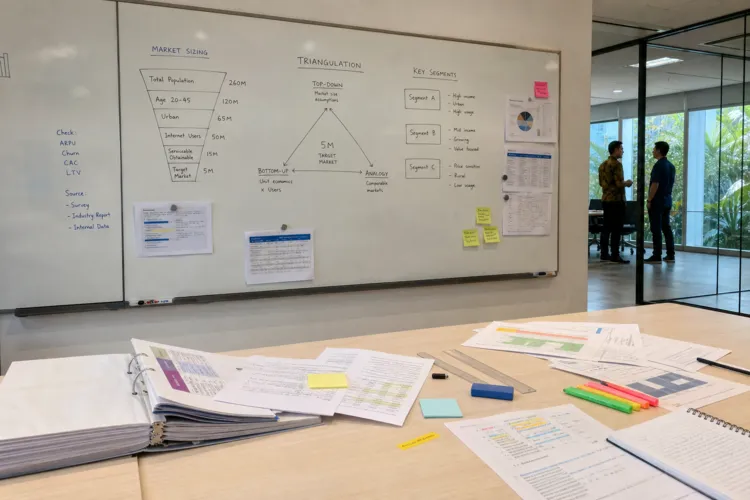
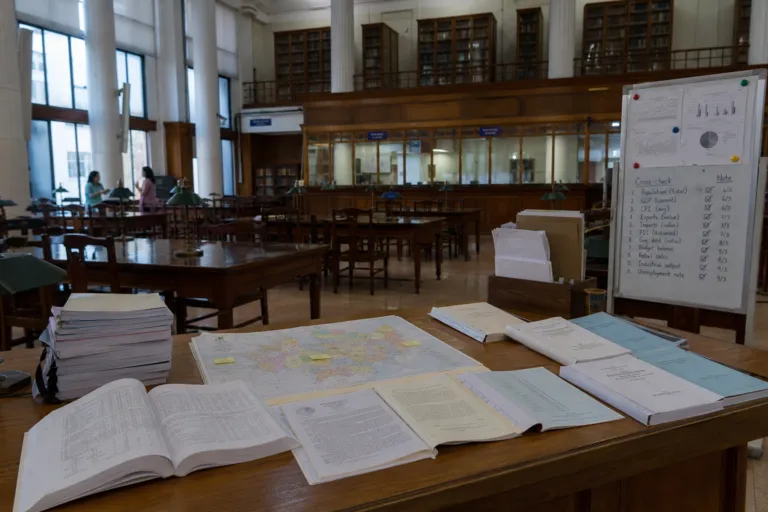
Secondary research in Vietnam usually starts with desk research: collecting and organizing existing literature, statistical datasets, and web information to size a market, map key players, and understand the macro environment. One practical approach is to combine Vietnam’s General Statistics Office (GSO) data with reports from international organizations, local news sites, and competitor websites and social media. This mix helps you quickly form hypotheses about market size and competition before you spend time and money on fieldwork. It also fits the reality that many projects begin remotely and only later add interviews, store checks, or surveys once the basic information has been organized.
However, official and semi-official sources can fall short in ways that matter for decisions. B-Company notes that official statistics published by the Vietnamese government and industry organizations are “not as well-developed or systematically organized” as in Japan, with detailed data by industry and region still lacking in many areas. It also highlights a time lag before statistics are reflected and, in some industries, extremely limited regional detail. In parallel, Vietnam’s market conditions can shift quickly; B-Company warns that even reports from just a few years ago may already diverge from current reality. These gaps are why desktop-only conclusions can be risky when you are forecasting demand or benchmarking rivals.
Which Vietnam Data Sources Tend to Be Most Useful—and How to Stress-Test Them
For most teams, the most dependable way to use secondary sources is to treat them as inputs for hypothesis-building and then pressure-test them. Multiple sources recommend combining secondary and primary methods rather than choosing one. Market Research SEA describes market size assessment in Vietnam as a combination of government statistics, industry reports, and direct surveys, supported by approaches such as stakeholder interviews. B-Company similarly recommends cross-validating secondary and primary information, designing research backward from the decisions you need to make. In practice, this means using GSO and international reports to frame the market, then confirming real purchasing channels and competitor behavior through interviews, observation, and small quantitative checks.
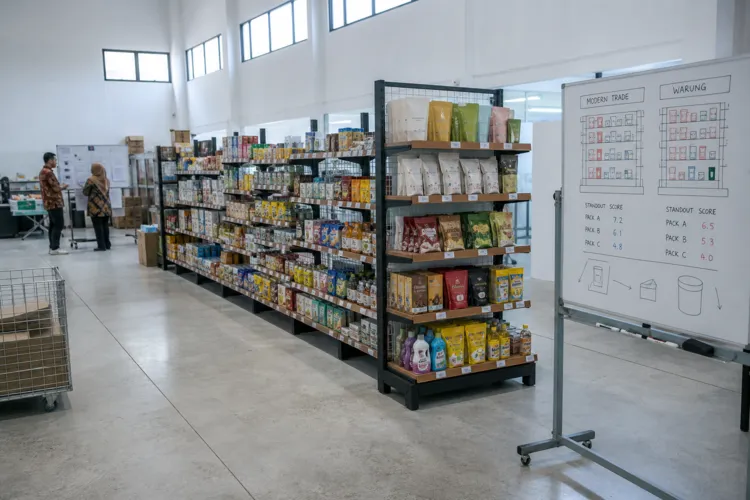
The biggest “blind spot” in desk research is activity that is hard to record in public datasets. B-Company points to informal channels, including individual shops and sales through social media, as a significant share of retail and distribution activity, which makes it difficult to capture the full picture using publicly available information alone. In competitive research, it also flags transactions through traditional retail channels and live commerce as commercial flows that are difficult to record, reinforcing why desktop research has limits for understanding the actual market situation. When your category depends on these channels, competitor websites and social accounts become useful signals—but they still need field confirmation.
Cost and governance also shape what “good” secondary research looks like. Liiily Asia describes desk research as common in the initial stage and gives an average cost range of approximately 100,000 to 500,000 JPY, noting that costs rise with the man-hours needed for translation and analysis of Vietnamese-language materials. On the compliance side, B-Company advises that, when conducting research, teams should consider obtaining consent in accordance with Vietnam’s Personal Data Protection Decree (PDPD) and design questions carefully to avoid trade secret areas. If you treat secondary research Vietnam work as a structured funnel—desk first, then targeted validation—you can balance speed, cost, and decision accuracy.
What sources are commonly used for desk-based market research in Vietnam?
Where do official statistics in Vietnam tend to fall short for market decisions?
How should teams validate findings from secondary research in Vietnam?
Why can desk research miss the real competitive landscape in Vietnam?
What does desk research in Vietnam typically cost, and what can drive it higher?