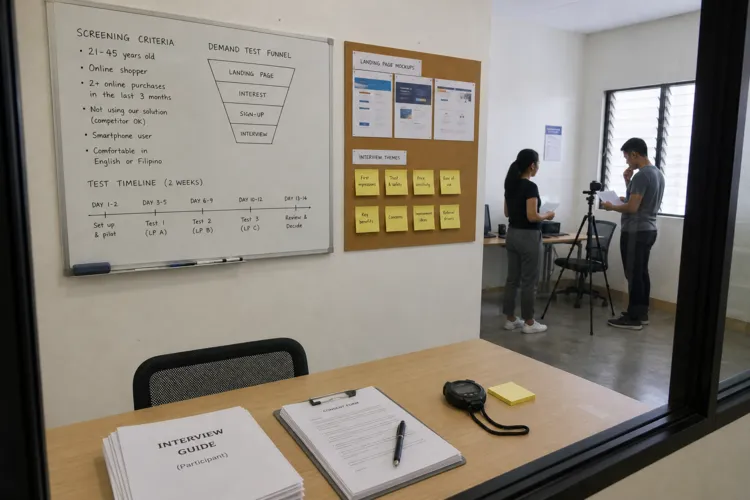

Remittance-receiving households can look “ordinary” in standard income data while having a very different real spending capacity. That is why overseas Filipino worker consumer research must start by defining the household not only by location and income bracket, but by whether it receives overseas funds and how those funds arrive. Bangko Sentral ng Pilipinas (BSP) figures cited in Philippine Daily Mirror put personal remittances from overseas Filipinos at a record-high USD 38.34 billion in 2024, up 3% from USD 37.21 billion in 2023, with cash remittances coursed through banks at USD 34.49 billion. The same source notes that in 2025 total cash remittances reached USD 35.63 billion, up 3.3% from 2024, representing 7.3% of GDP.
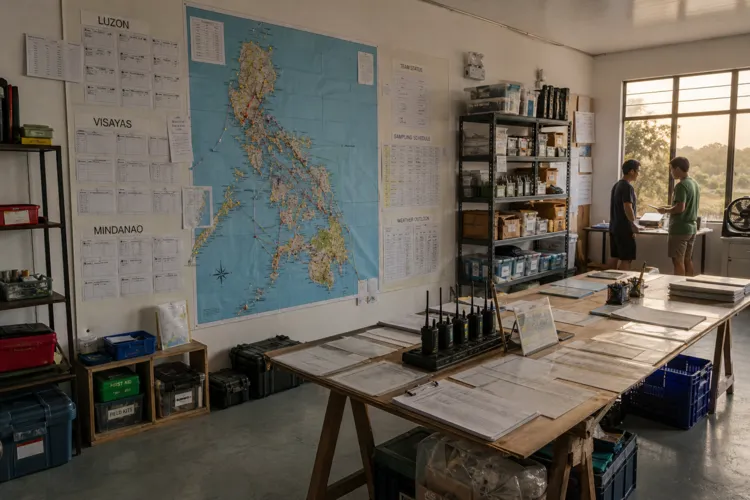
Sampling design should reflect where OFW-linked consumption is actually happening. Iconic Research warns that “Metro Manila data — and Metro Manila is not the Philippines,” adding that consumer behavior and channel preference differ across Metro Manila, provincial Luzon, the Visayas, and Mindanao. The same source states that approximately 1.96 million Filipinos were working overseas as of 2023 and sending home USD 38.34 billion annually, while also arguing remittances flow disproportionately to provincial households. For fieldwork, that means quotas by region and household type (sender-linked vs non-sender) and explicit screening for remittance receipt, frequency, and usage categories.
What to Measure: From Remittance Channels to Household Choices
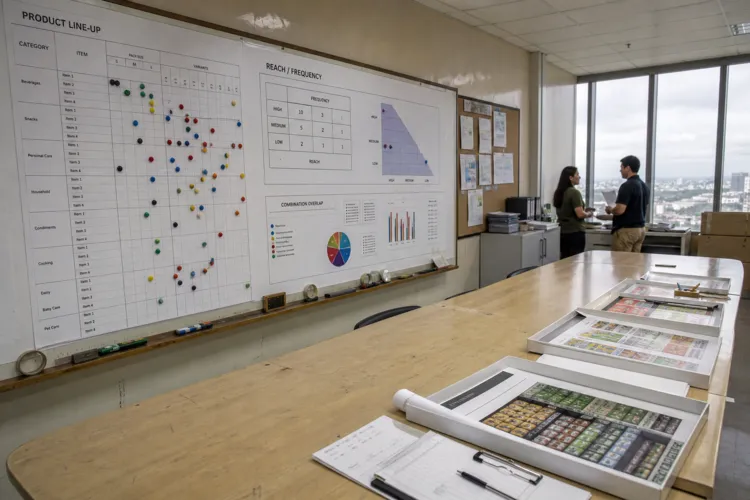
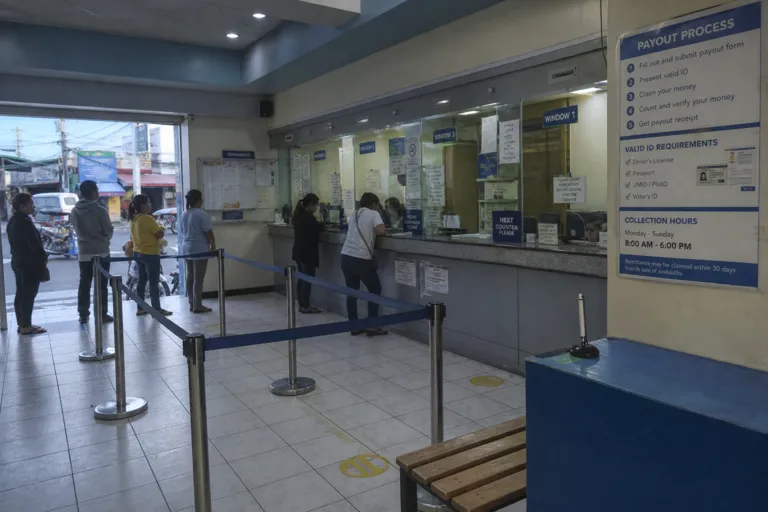
Good questionnaires separate “how money enters the home” from “how choices get made.” Mordor Intelligence estimates the Philippines remittances market size at USD 41.21 billion in 2025 and reports that inward flows commanded 97.52% of market share in 2025. It also breaks down how money moves: bank transfers led with a 46.55% share in 2025, while online channels secured 49.12% of total value in 2025; digital wallets are forecast (by that report’s proprietary framework) to grow at a 12.18% CAGR over 2026–2031. In practice, this suggests research instruments should capture channel mix (bank, online, wallet) because channel can influence speed, fees, budgeting rhythm, and even which retailer or biller gets paid first.
Spending allocation questions should mirror how households describe real use, not just textbook categories. A ScienceDirect study examining how households use remittances in the Philippines analyzes 2007–2022 Survey on Overseas Filipinos (SOF) data and frames remittances as a coping mechanism during crises, often funding education, healthcare, housing, or precautionary savings. It also notes that during the COVID-19 pandemic, families of OFWs saved and invested less. Meanwhile, Philippine Daily Mirror highlights both consumption and investment angles, stating that households receiving remittances tend to consume more conspicuously on consumer items, but also invest more in education, housing, medical care, and durable goods. Your interview guide should therefore probe “must-pay” items, “future-building” items, and “visibility” purchases separately.
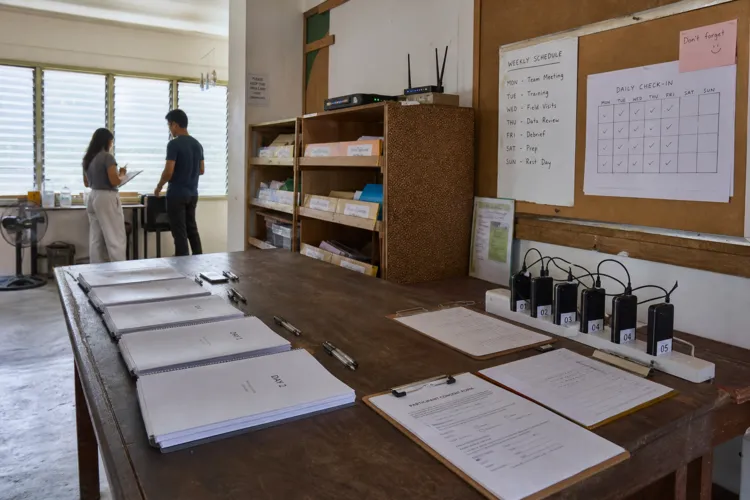
Finally, identify the household decision-maker, not just the remittance sender. A 2026 study on OFW dependents in Region 12 focuses on remittance management practices including savings patterns, investment behavior, spending practices, and debt management, and notes that many studies focus on the OFW as sender while fewer focus on recipient families who manage the funds. For brand and category research, that gap matters: the buyer in-market may be the dependent, not the worker overseas. Add modules on family consensus, budgeting rules, and who controls specific spending lines (school, health, home upgrades), then validate with channel data such as BSP-tracked cash remittances through banks, which one 2026 blog cites at about USD 35.6 billion in 2025 alongside about USD 39.6 billion in personal remittances.
Why does research on remittance-receiving Filipino households need different screening?
What recent figures can help frame a remittance household study in the Philippines?
Which remittance channels should questionnaires measure, based on Philippines market breakdowns?
What spending categories should be probed when studying how remittances affect consumption?
How do you design overseas Filipino worker consumer research to reach the right household decision-maker?