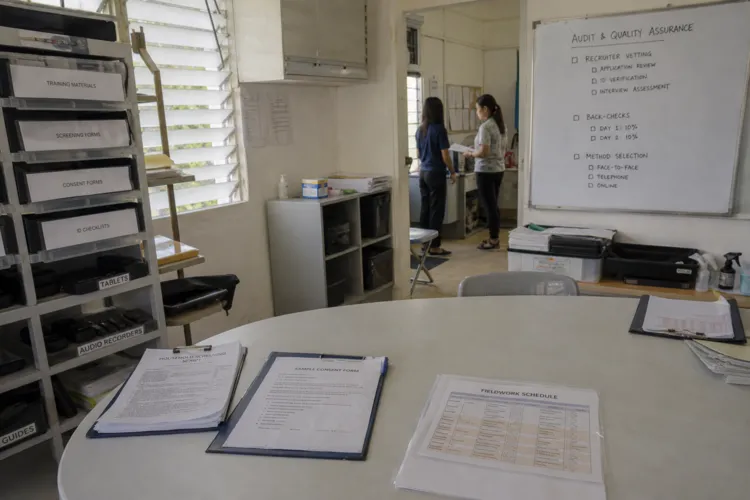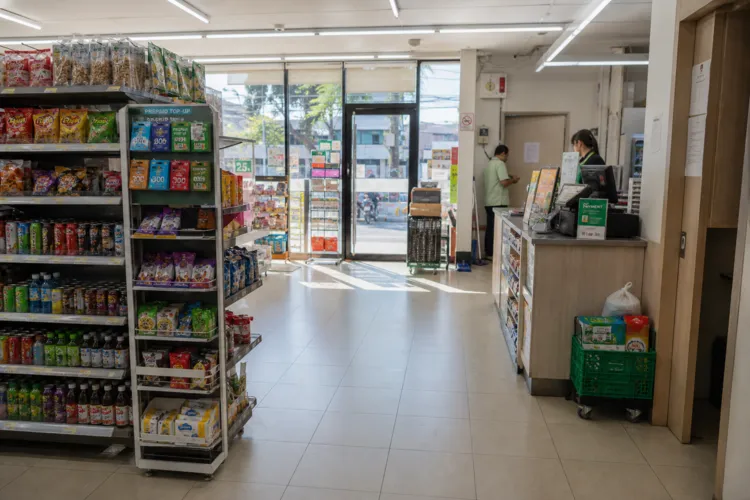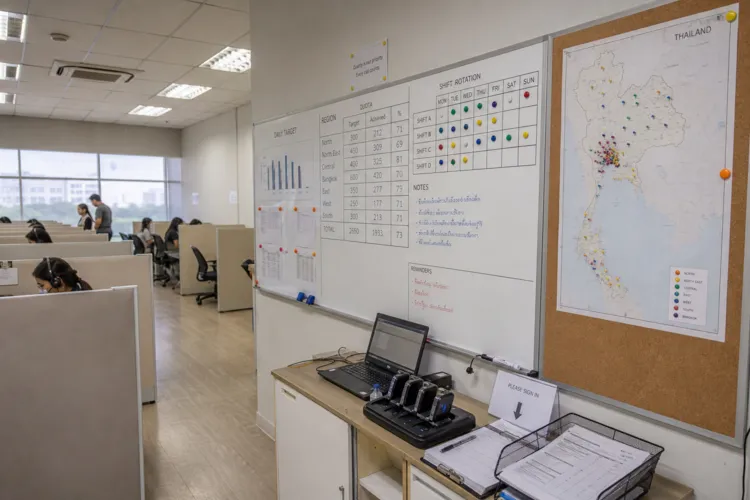
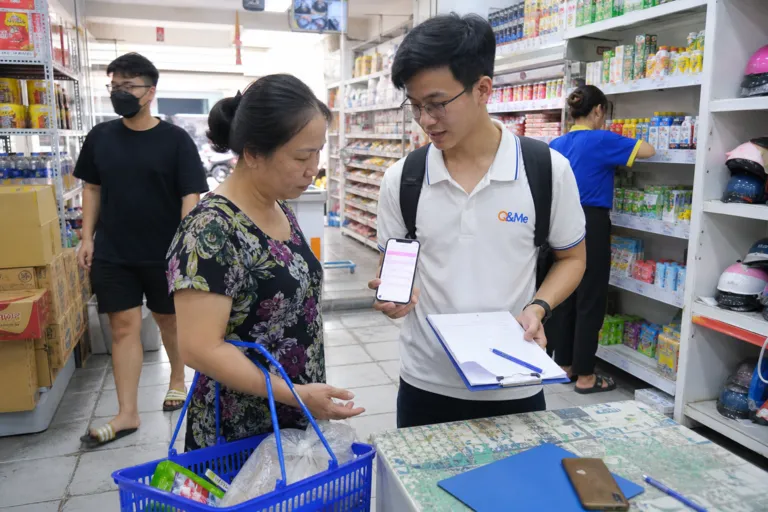
Choosing the right approach for consumer studies in Vietnam starts with one reality: the market is not “small and simple.” Research providers describe the landscape as nuanced and fragmented, with methods that can be uncoordinated and execution that often runs through networks of independent contractors. That matters for survey design, timeline control, and data quality. At the same time, market research is essential for identifying consumer preferences, cultural drivers, competitive context, and differences between urban hubs like Hanoi or Ho Chi Minh City and rural provinces. A good plan should align the method to the population segment, then align the vendor model to the execution needs.
Start by matching data collection to geography and access. One source recommends online surveys for urban populations, face-to-face interviews in rural areas, and mobile-based data collection to reach diverse demographics across Southeast Asia, which can help when your target spans both major cities and provinces. Mix methods when the decision requires both breadth and nuance. Combining qualitative work such as focus groups with quantitative approaches is presented as a way to build comprehensive insights. If you are refining messaging, a qualitative phase can surface language and cultural cues, then a structured survey can quantify preferences and segment differences.
How Digital Commerce Changes Your Survey Choices
For digitally active categories, online interviewing can be the most direct route to current behaviors. A Vietnam e-commerce study used CAWI (Computer-Assisted Web Interviewing) with a nationally representative sample of Vietnamese adults aged 18 to 54 and reported a sample size of N=1120, with results weighted by gender and age to reflect national demographics. That same report frames behavior shifts that surveys can capture well, such as online shopping becoming routine: about 1 in 2 shop online weekly. It also notes that nearly half of Vietnamese online shoppers have tried shopping via livestream, and that social platforms such as TikTok Shop play a role in product discovery. When your research question is about platform choice, promotions, payments, or mobile experiences, CAWI surveys and mobile-first questionnaires can map the path to purchase at scale.
Speed and consistency can also drive method selection. Online panels are described as enabling consistent and comparable insights across regions and markets by using the same measurement framework, which helps with benchmarking and identifying regional differences. One provider states it can connect data collection and provide results in as little as 1–5 days, which can be useful when you need rapid iteration for campaigns or concept tests. However, fast turnaround should not replace due diligence on who is actually doing the fieldwork, because Vietnam’s ecosystem can involve hidden third parties and specialist vendors within what looks like a single agency engagement.
Finally, plan governance and triangulation, not just a questionnaire. Providers note that global consulting firms often do desk research and expert interviews internally and deliver rigorous strategic output, but they are deliberately focused on high-level analysis rather than execution-level intelligence. Other “mixer” or marketing-led agencies may outsource execution, and research depth can vary. Market sizing work can involve multiple steps such as data mining, validation, primary interviews, and data triangulation. In the consumer space, where Vietnam’s retail e-commerce market was expected to increase by 25% in 2023 to USD 20.5 billion and represent 7.5% of total revenue from consumer goods and services nationwide (per Vietnam E-commerce and Digital Economy Agency data cited in a market report), it is especially important to document sources, confirm assumptions, and combine methods when decisions carry financial risk.
How do I choose a survey research methodology for Vietnam’s consumer market?
When is CAWI a good fit for Vietnam consumer research?
What digital behaviors can surveys capture in Vietnam e-commerce?
Why should I scrutinize research vendors and subcontractors in Vietnam?
How can I improve reliability when the market is moving fast?