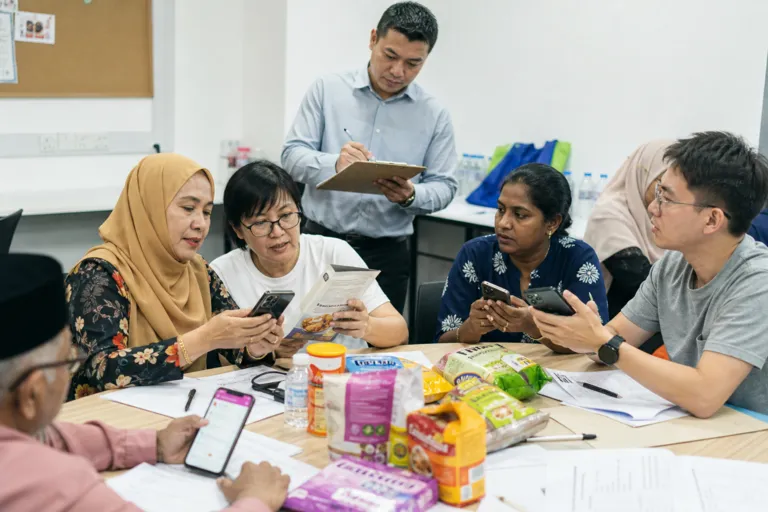
Designing research for Malaysia starts with accepting that one “average consumer” is rarely enough. SIS International Research notes that Malaysia is a melting pot of cultures, with significant Malay, Chinese, and Indian communities, and that this diversity influences consumer preferences and behaviors. That is why market research is framed as vital for understanding and targeting different segments, not just validating a single message. A practical approach is to define segments early, then align questionnaires, stimuli, and sampling to reflect how culture can shape expectations, buying habits, and brand meaning. This is the core mindset behind multicultural research Malaysia teams need when decisions depend on precise local fit.
Research design also has to match the speed and structure of Malaysia’s economy and consumer environment. Standard Insights states Malaysia’s GDP reached USD 422 billion in 2024 (World Bank). It also cites 2025 growth projected between 3.8% and 4.5% (IMF, World Bank, and the Ministry of Finance), and GDP per capita expected to reach USD 12,414 in 2025 (TradingEconomics). These figures do not tell you what consumers will choose, but they do frame why companies demand timely, decision-ready insights. Standard Insights also describes common challenges in the market: data quality, cost, and speed. Design your study to solve those constraints up front with clear hypotheses, short fieldwork windows, and reporting built for action.
Build A 360-Degree View With Blended Methods and Localized Measures
To capture cultural nuance, combine methods and measures that explicitly test “fit” to local life. Oppotus describes designing research that blends available data sources to build a complete 360-degree view of audiences and combines human intellect with technology to generate relevant, real-time insights from real consumers. In parallel, academic evidence from an IJRISS study on Mixue’s Malaysian market uses a quantitative design with a structured questionnaire distributed to Malaysian consumers to examine how perceived value, product diversity, and localization adaptation influence purchase intention. The same study notes that in multicultural markets like Malaysia, perceived value can extend beyond price and taste to brand, social identity, and cultural meaning. In practice, that means your questionnaire should include localization and identity-linked items, not only functional attributes.
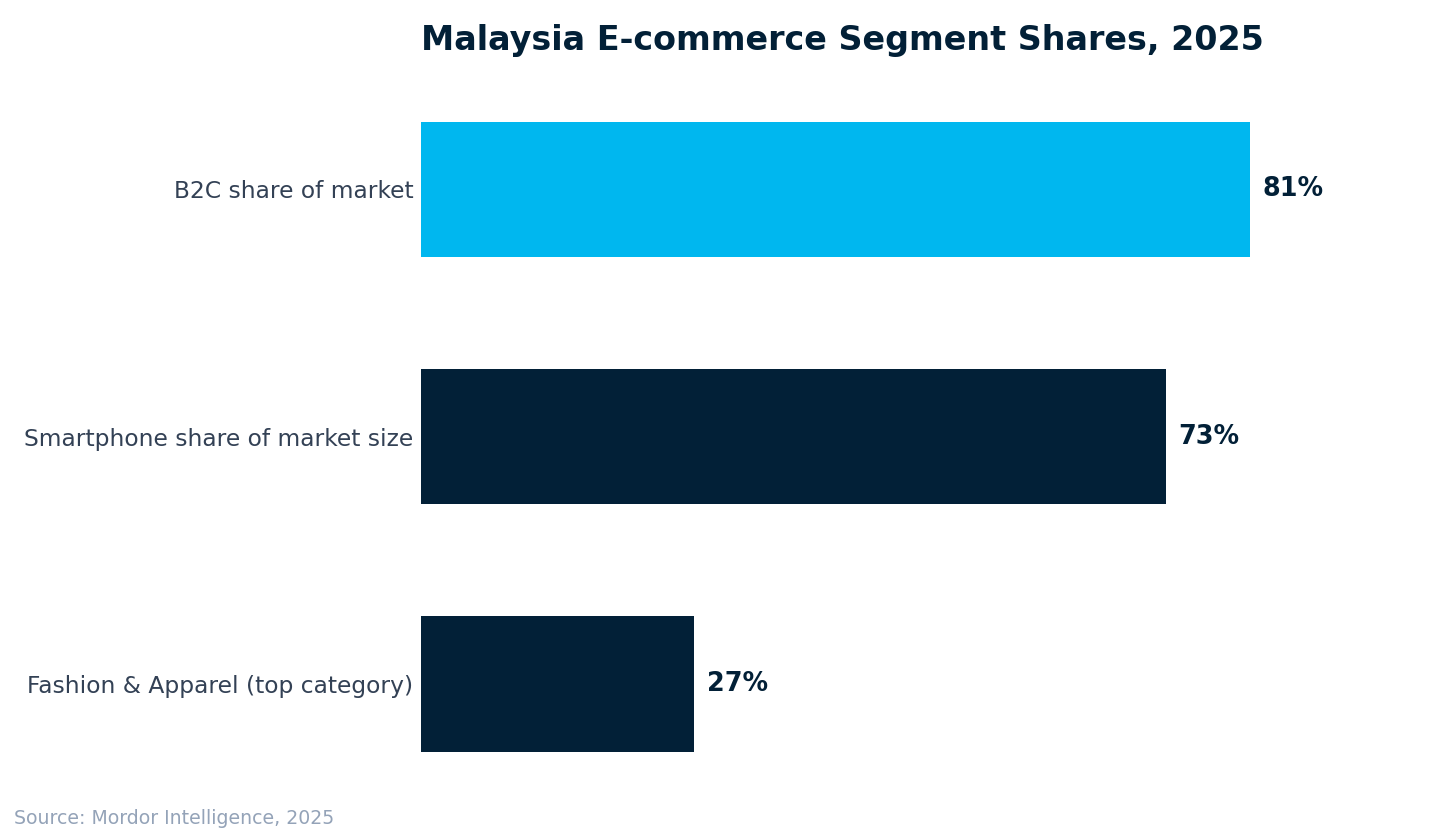
Channel context matters, especially when your product is discovered, compared, and bought online. Mordor Intelligence reports that in Malaysia e-commerce, fashion and apparel led with a 26.67% revenue share in 2025. It also states the B2C segment held 80.89% of the market share in 2025, and smartphones captured 72.67% of the market size in 2025. These patterns should shape how you recruit and how you test: mobile-first surveys, creative testing built for small screens, and segment cuts that reflect B2C shopping behaviors. The same report estimates consumer-facing platforms spent MYR 3.5 billion (USD 814 million) on shipping rebates and cashback in 2025, and that customer acquisition cost for first-time buyers climbed 23% year on year in 2025. Those pressures raise the stakes for research that reduces wasted spend and improves targeting confidence.
Finally, sampling must reflect Malaysia’s geographic diversity, not only big-city convenience. Standard Insights highlights the ability to recruit respondents across Kuala Lumpur, Penang, Johor, Sabah, and other regions, and notes that research can be conducted quickly with results in as fast as 1 day. Pair that speed with the strategic depth SIS International Research emphasizes—competitor analysis, trend forecasting, performance benchmarking, and tailored marketing strategies—so “fast” does not become “shallow.” For multicultural work, plan comparisons across segments and regions, pretest wording for clarity, and report results as differences that lead to specific decisions. When research connects culture, channel, and location, teams can localize with confidence rather than relying on assumptions.
Why does Malaysia require a multicultural approach to consumer research?
What should researchers measure beyond price and product features in Malaysia?
How do e-commerce realities affect research design in Malaysia?
What is one practical way to run multicultural research Malaysia teams can execute quickly?