Deep Cultural Understanding
We help you connect with Philippines's diverse cultures by navigating local habits, values, and unspoken norms. This ensures your strategy aligns with local expectations, building trust and fostering sustainable results.


With decades of expertise in electric vehicles consulting, our firm supports growth in the Philippines' dynamic EV market. Utilizing a hands-on approach, we offer a wide range of services tailored to help clients navigate challenges and capitalize on opportunities, ensuring success in this competitive sector.
The Philippines electric vehicle market is projected to grow robustly, expanding from about USD 4.1 billion in 2025 to USD 21.2 billion by 2034, with a compound annual growth rate of around 19.5 %. This trend reflects increasing environmental concerns, supportive regulations, and infrastructure development.
Registered electric vehicles in the Philippines rose sharply, with the number of EV registrations nearly fivefold—from 1,359 in 2023 to 6,697 in 2024. In the first half of 2026, electrified vehicle sales—including hybrids, plug‑in hybrids, and BEVs—grew by approximately 133 % year‑on‑year, reaching 31,381 units.
The broader Philippine economy grew at an average rate of 5.8 % annually between 2021 and 2025, while real GDP growth is projected at about 3.2 % in 2026. Inflationary pressures and energy costs persist, but targeted fiscal measures and monetary policy adjustments are supporting the transition toward cleaner transportation.
The projected CAGR for the Philippines electric vehicle market through 2034 is
Source: Statista
In the Philippines, the electric vehicles industry is rapidly evolving, with sectors such as electric cars, scooters, buses, charging infrastructure, and batteries gaining traction. The landscape also includes emerging trends like autonomous technology, battery swapping, and renewable integration, all playing pivotal roles. As these sectors expand, understanding market dynamics becomes crucial for strategic growth.
Our Philippines Electric Vehicles Consulting offers in-depth expertise across diverse sectors such as electric trucks, two-wheelers, public transit solutions, fleet operations, smart city integration, and EV supply chain logistics. We help clients navigate regulatory frameworks, optimize operations, and adopt sustainable practices, ensuring alignment with industry growth and goals.
By leveraging insights in energy storage, vehicle design, connected vehicles, cybersecurity, and innovative financing, we empower clients to lead in the competitive EV market. Our consulting services drive efficiency and innovation, allowing for adaptability in a landscape defined by rapid technological advancements and regulatory shifts.
We help you connect with Philippines's diverse cultures by navigating local habits, values, and unspoken norms. This ensures your strategy aligns with local expectations, building trust and fostering sustainable results.
Our actionable intelligence, powered by real-time market monitoring and insights from your ecosystem, enables you to make informed decisions, seize emerging opportunities, and mitigate risks in Philippines's dynamic markets.
Through direct engagement with key stakeholders, we provide you with nuanced perspectives that reveal the “why” behind market behaviors, helping you design tailored solutions that drive meaningful results.
Validate opportunities, manage risk, and allocate capital with greater confidence through current market evidence and practical strategic advice.
Our company has successfully supported various Electric Vehicles projects by providing market research, competitive analysis, and strategic guidance to help businesses succeed.
We offers comprehensive Electric Vehicles market research, delivering valuable insights and actionable recommendations in Philippines to enable businesses to make well-informed decisions and achieve long-term success in the industry.
We offers comprehensive Electric Vehicles Strategic Planning services in Philippines, providing tailored frameworks and actionable strategies to help businesses achieve their goals and sustain growth in a competitive environment.
We delivers expert Electric Vehicles Market Entry Strategy solutions in Philippines, offering valuable insights and effective approaches that empower businesses to successfully penetrate new markets and secure a competitive edge.
We provides in-depth Electric Vehicles Merger and Acquisitions advisory in Philippines, guiding businesses with expert recommendations to navigate complex transactions, unlock synergies, and maximize shareholder value.
We specializes in Electric Vehicles Value Chain Analysis in Philippines, delivering actionable insights that optimize operational efficiency, enhance profitability, and drive strategic decision-making for businesses across industries.
We offers thorough Electric Vehicles Competitive Benchmarking services in Philippines, helping businesses identify key performance gaps, uncover market opportunities, and build stronger competitive strategies.
We delivers expert Electric Vehicles Distribution and Strategic Partnership solutions in Philippines, enabling businesses to establish effective networks, foster collaborative relationships, and achieve long-term market success.
We provides advanced Electric Vehicles Consumer Behavior Analysis services in Philippines, offering actionable insights into consumer preferences and trends to help businesses refine their strategies and enhance customer satisfaction.
Establish industry dominance with our experts and partners







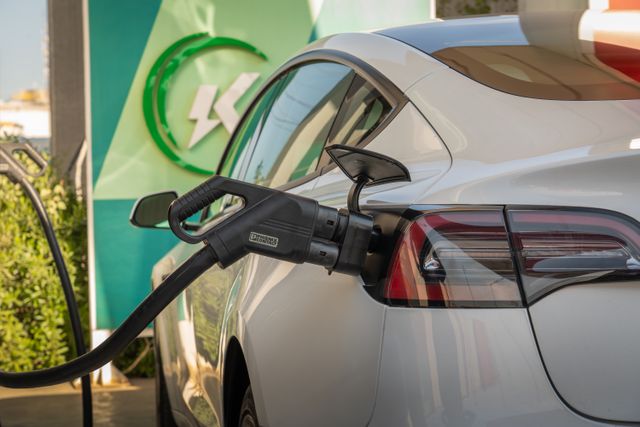
South China Morning Post featured Damien Duhamel, Managing Partner at Eurogroup Consulting, sharing his perspective on how Chinese EV competition could reshape Malaysia's automotive industry and the wider regional market.
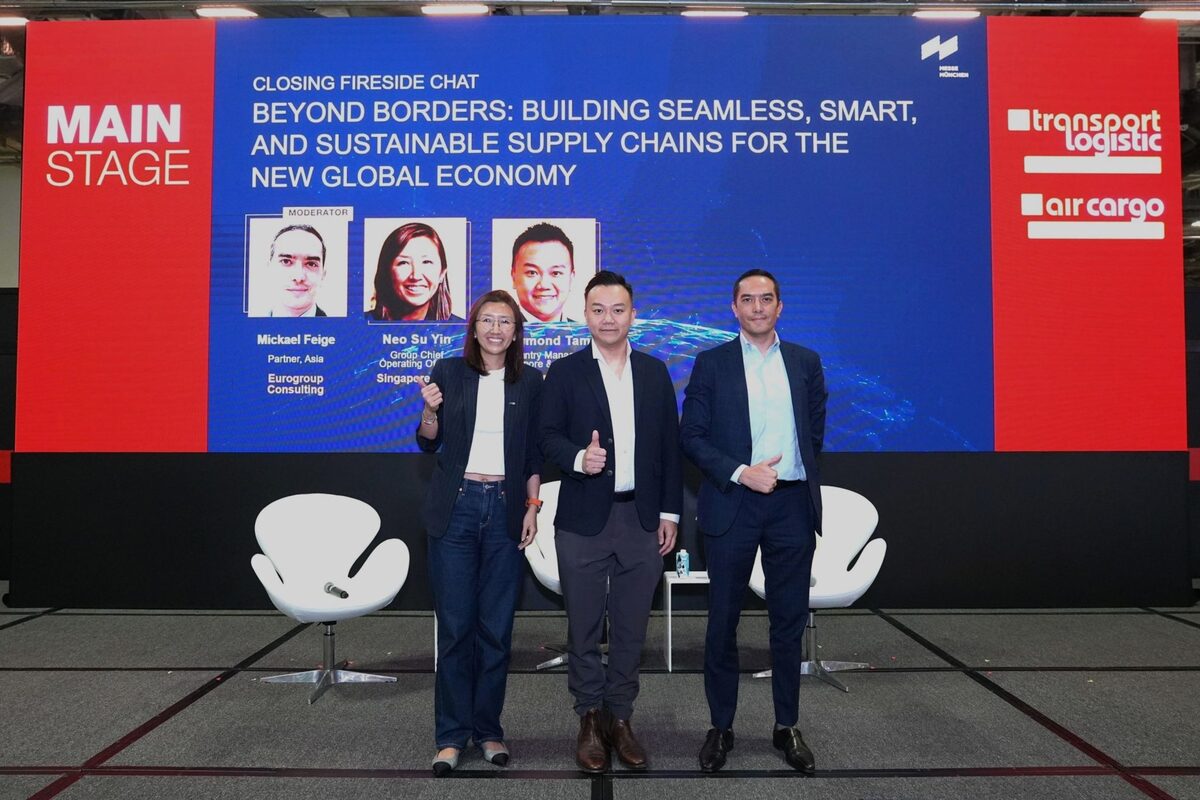
At Transport Logistic Southeast Asia 2025, Mickael Feige, Partner at Eurogroup Consulting, moderated a fireside chat on building seamless, smart and sustainable supply chains for the new global economy.

Damien Duhamel shared his perspective with Business Insider on the factors shaping innovation across Asia's leading cities, from human talent and technology to governance and global integration.

Thailand’s ageing transition is creating a real but selective senior living opportunity. The paper examines investable demand, scalable business models and the constraints still limiting market growth.

Southeast Asia is emerging as a key advanced manufacturing hub. The white paper examines the capabilities, technologies and opportunities reshaping the region’s industrial landscape.

Southeast Asia’s cities are transforming through rapid urbanisation and sustainability. It explores the trends shaping greener, more resilient and inclusive urban development.

ASEAN’s consumer landscape is evolving with rising incomes, digitalisation and changing expectations. The report highlights the trends reshaping how businesses engage and grow across the region.
Philippines energy conglomerate — renewable focus
VIEW DETAILHIDE DETAIL →The client sought to enter the electric vehicle market with the aim of enhancing its renewable energy portfolio. Key challenges included regulatory compliance, competitive market dynamics, and infrastructure readiness. Identifying viable market segments and aligning with government incentives were also critical.
We conducted a comprehensive market analysis, including competitor benchmarking and regulatory assessments. Engagements included stakeholder interviews to assess infrastructure readiness and align with government policies. Scenario planning helped the client anticipate future market shifts and prepare adaptive strategies.
Our primary recommendation was to target metropolitan areas with a phased rollout plan, leveraging existing renewable infrastructure. Partnership with local governments to enhance charging station coverage was advised. Additionally, positioning strategies were suggested to differentiate on sustainability and technology innovation.
Projected market penetration of 15% within three years, with infrastructure costs reduced by 25%. The client secured government grants amounting to PHP 120 million, facilitating a faster deployment schedule. Market entry decisions aligned with national sustainability goals and regulatory frameworks.
Philippines logistics provider — regional operations
VIEW DETAILHIDE DETAIL →The client faced challenges in transitioning their diesel fleet to electric vehicles amidst rising operational costs. They needed to overcome initial investment barriers and optimize vehicle deployment efficiency. Regulatory frameworks posed additional compliance hurdles for fleet electrification.
A detailed cost-benefit analysis was undertaken to compare diesel versus electric vehicle fleet options. Optimization models were developed to project fuel savings and emissions reductions. Support was provided for navigating regulatory requirements and securing financial incentives for the transition.
It was recommended to initiate a phased transition starting with high-utilization routes to maximize cost-effectiveness. Incentive programs were prioritized to reduce upfront costs, while regular training sessions for personnel were suggested to ensure operational readiness. Technology integration for fleet management was also advised.
The transition led to a 30% reduction in operational costs over five years. Emissions were cut by 40%, aligning with national environmental goals. The client successfully accessed PHP 50 million in incentives, and maintenance costs were lowered by 20% through optimized fleet use.
Philippines real estate developer — commercial focus
VIEW DETAILHIDE DETAIL →The client aimed to expand their real estate offerings by integrating electric vehicle charging solutions. Existing infrastructure was inadequate for supporting widespread EV adoption. Ensuring compatibility with future technological advancements was a significant concern.
We developed a strategic plan that included site assessments and feasibility studies for EV infrastructure integration. Partnerships with technology providers were established to future-proof investments. Capacity planning models were used to predict demand and optimize resource allocation.
The recommendation was to utilize modular charging stations with scalable solutions to adapt to demand fluctuations. Strategic locations were identified to maximize user convenience and connectivity. Engaging with government initiatives was advised to gain technical and financial support.
The initiative increased property attraction rates by 20% and reduced infrastructure costs by 15% over two years. The client secured partnerships with three leading technology firms, ensuring long-term viability of the charging network. Customer satisfaction surveys indicated a 25% rise in positive feedback regarding amenities.
Trusted by clients for long-term collaboration. Selected organizations our teams have supported globally and across Philippines.





















A market study for electric vehicles in the Philippines involves assessing demand trends, analyzing consumer preferences, reviewing regulatory frameworks, and examining infrastructure readiness. This includes evaluating government incentives, understanding public charging station availability, and conducting surveys to gauge buyer interest and potential market size.
A feasibility study for electric vehicles in the Philippines ensures that entering the market is viable. It assesses financial projections, regulatory compliance, infrastructure support, and competitive landscape. By analyzing economic conditions and public sentiment, this study helps determine if the business can succeed and what challenges may arise.
Market size assessment for electric vehicles in the Philippines includes analyzing current vehicle sales, projecting growth rates, and evaluating consumer demand. This process leverages data from industry reports, government statistics, and field interviews to estimate the future market potential and identify key drivers influencing market expansion.
A competitive analysis for electric vehicles in the Philippines involves benchmarking key competitors, evaluating their strengths and weaknesses, and analyzing market positioning. This process includes reviewing pricing strategies, product offerings, distribution networks, and marketing tactics to identify opportunities for differentiation and potential strategic advantages.
A regulatory review in the Philippines for electric vehicles involves assessing legal requirements, government policies, and incentives. It includes analyzing import tariffs, licensing requirements, environmental standards, and funding programs. This ensures compliance and helps businesses align their strategies with national sustainability goals and regulatory expectations.
600 N Bridge Rd, #13-06, Singapore 188778