Deep Cultural Understanding
We help you connect with ASEAN's diverse cultures by navigating local habits, values, and unspoken norms. This ensures your strategy aligns with local expectations, building trust and fostering sustainable results.


With decades of expertise, our firm excels in ASEAN recycling consulting, helping clients thrive in the region's competitive recycling sector. We offer a wide range of services, using a hands-on support approach to navigate challenges effectively, ensuring sustainable growth in the ASEAN market.
The recycled plastics segment in ASEAN was valued at about USD 4.15 billion in 2025 and is forecast to rise to USD 4.7 billion in 2026, progressing toward nearly USD 9.2 billion by 2034, reflecting a compound annual growth rate (CAGR) of approximately 8.4 % driven by technology adoption and regulatory shifts.
The broader ASEAN waste management market—within which recycling is a core component—was estimated at USD 33.19 billion in 2025 and is expected to reach USD 35.36 billion in 2026, with a projected CAGR of 6.54 % through 2031, as recycling and resource recovery services gain traction amid strengthening policies and infrastructure development.
Recycling contributes a minor share of ASEAN’s material flow. In 2018, recycling accounted for just 19 Mt—roughly 1.3 % of solid waste generated—highlighting a structural opportunity for growth despite increasing demand for circular economy practices and policy support across the region.
The projected CAGR for ASEAN's recycled plastics industry is
Source: Research and Markets
The recycling landscape in ASEAN is marked by diverse sectors: paper, plastic, electronics, metal, glass, organic waste, textiles, construction debris, automotive parts, rubber, chemicals, batteries, medical waste, wood, and packaging materials. Increasing urbanization and industrialization drive the demand for efficient recycling systems, creating opportunities for growth and innovation.
Our ASEAN Recycling Consulting offers unmatched expertise to navigate these sectors effectively in a dynamic market. We provide strategic insights into local regulations, innovative technologies, and sustainable practices, enabling clients to enhance operational efficiency and compliance. This approach ensures alignment with global standards while optimizing resource management.
Understanding sector trends such as digitalization and circular economy practices is crucial for success. We excel in identifying emerging technologies and process improvements that resonate in this evolving market. This positions our clients competitively, fostering sustainable growth and long-term value creation in the recycling industry.
We help you connect with ASEAN's diverse cultures by navigating local habits, values, and unspoken norms. This ensures your strategy aligns with local expectations, building trust and fostering sustainable results.
Our actionable intelligence, powered by real-time market monitoring and insights from your ecosystem, enables you to make informed decisions, seize emerging opportunities, and mitigate risks in ASEAN's dynamic markets.
Through direct engagement with key stakeholders, we provide you with nuanced perspectives that reveal the “why” behind market behaviors, helping you design tailored solutions that drive meaningful results.
Validate opportunities, manage risk, and allocate capital with greater confidence through current market evidence and practical strategic advice.
Our company has successfully supported various Recycling projects by providing market research, competitive analysis, and strategic guidance to help businesses succeed.
We offers comprehensive Recycling market research, delivering valuable insights and actionable recommendations in ASEAN to enable businesses to make well-informed decisions and achieve long-term success in the industry.
We offers comprehensive Recycling Strategic Planning services in ASEAN, providing tailored frameworks and actionable strategies to help businesses achieve their goals and sustain growth in a competitive environment.
We delivers expert Recycling Market Entry Strategy solutions in ASEAN, offering valuable insights and effective approaches that empower businesses to successfully penetrate new markets and secure a competitive edge.
We provides in-depth Recycling Merger and Acquisitions advisory in ASEAN, guiding businesses with expert recommendations to navigate complex transactions, unlock synergies, and maximize shareholder value.
We specializes in Recycling Value Chain Analysis in ASEAN, delivering actionable insights that optimize operational efficiency, enhance profitability, and drive strategic decision-making for businesses across industries.
We offers thorough Recycling Competitive Benchmarking services in ASEAN, helping businesses identify key performance gaps, uncover market opportunities, and build stronger competitive strategies.
We delivers expert Recycling Distribution and Strategic Partnership solutions in ASEAN, enabling businesses to establish effective networks, foster collaborative relationships, and achieve long-term market success.
We provides advanced Recycling Consumer Behavior Analysis services in ASEAN, offering actionable insights into consumer preferences and trends to help businesses refine their strategies and enhance customer satisfaction.
Establish industry dominance with our experts and partners










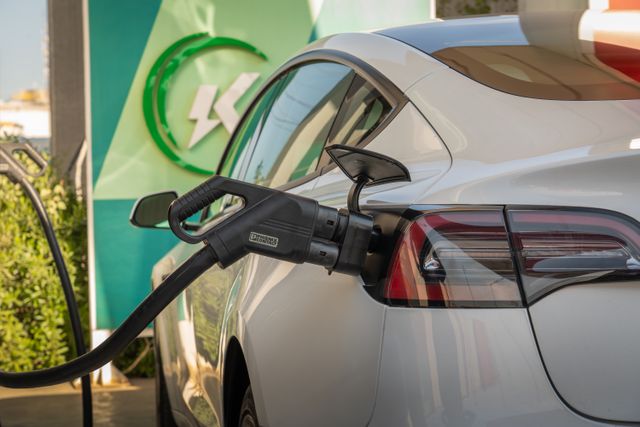
South China Morning Post featured Damien Duhamel, Managing Partner at Eurogroup Consulting, sharing his perspective on how Chinese EV competition could reshape Malaysia's automotive industry and the wider regional market.
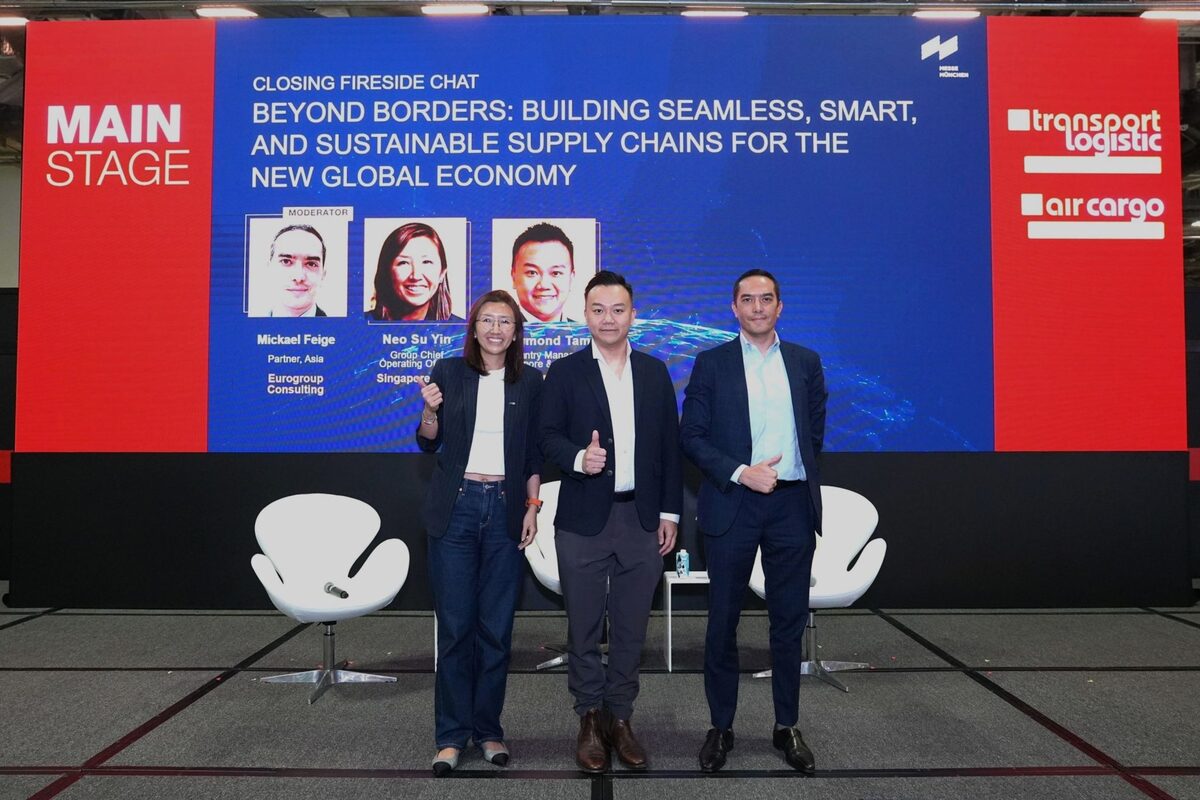
At Transport Logistic Southeast Asia 2025, Mickael Feige, Partner at Eurogroup Consulting, moderated a fireside chat on building seamless, smart and sustainable supply chains for the new global economy.

Damien Duhamel shared his perspective with Business Insider on the factors shaping innovation across Asia's leading cities, from human talent and technology to governance and global integration.

Thailand’s ageing transition is creating a real but selective senior living opportunity. The paper examines investable demand, scalable business models and the constraints still limiting market growth.

Southeast Asia is emerging as a key advanced manufacturing hub. The white paper examines the capabilities, technologies and opportunities reshaping the region’s industrial landscape.

Southeast Asia’s cities are transforming through rapid urbanisation and sustainability. It explores the trends shaping greener, more resilient and inclusive urban development.

ASEAN’s consumer landscape is evolving with rising incomes, digitalisation and changing expectations. The report highlights the trends reshaping how businesses engage and grow across the region.
Government recycling agency — pilot in ASEAN country
VIEW DETAILHIDE DETAIL →The agency aimed to improve national waste management practices and expand the recycling rate. Limited infrastructure and lack of public awareness were significant hurdles. They needed a strategy that could be replicated across the region.
We developed a framework integrating advanced recycling technologies with educational outreach. Our team conducted feasibility studies to identify key bottlenecks. Pilot programs were implemented in urban and rural settings to test scalability.
The agency should focus on enhancing infrastructure with smart waste bins and collection systems. Increasing public engagement through schools and media campaigns is crucial. Regional partnerships should be leveraged to share knowledge and resources.
Pilot programs led to a 20% increase in recycling rates over 12 months. Cost efficiencies reduced operational expenses by 15% annually. These outcomes became benchmarks for similar initiatives in other ASEAN countries.
Major beverage producer — operations spread across ASEAN
VIEW DETAILHIDE DETAIL →The producer needed to transition from plastic to sustainable materials to meet new regulations. They faced supply chain disruptions and cost implications that risked affecting market share. A comprehensive plan was required to navigate these obstacles.
Our team conducted a full lifecycle assessment of packaging alternatives. Collaboration with suppliers was initiated to explore cost-effective materials. A phased implementation schedule was devised to minimize disruption and optimize investment.
We advised a gradual shift to biodegradable packaging, starting with high-impact products. Cost-sharing partnerships with suppliers can defray expenses. Continued monitoring of regulatory changes is essential to stay compliant and competitive.
The transition reduced plastic usage by 30% within the first year. Total packaging costs eventually decreased by 10% over two years, with long-term supply agreements renegotiated successfully. The client maintained its market position throughout.
Leading electronics manufacturer — market presence in ASEAN
VIEW DETAILHIDE DETAIL →The firm sought to integrate circular economy practices into its manufacturing processes. Challenges included redesigning products for improved recyclability and managing e-waste. They needed to align transition steps with corporate sustainability goals.
We facilitated workshops to ideate product design innovations with stakeholders. Pilot programs tested recycling techniques for obsolete products. Partnerships with local e-waste processors and NGOs were established to enhance collection efforts.
Emphasis should be on modular product designs that simplify end-of-life recycling. Strengthening relationships with e-waste partners can improve return rates. Regular sustainability audits across operations will ensure alignment with goals.
E-waste collection increased by 25% within 18 months, enhancing recyclability metrics. Production costs of select lines decreased by 5% over three years due to materials innovation. These successes informed broader strategic planning across divisions.
Trusted by clients for long-term collaboration. Selected organizations our teams have supported globally and across ASEAN.






















A market study in ASEAN recycling examines key aspects such as demand analysis, regulatory landscape, and consumer behavior. It involves assessing technological trends, market size estimation, and the competitive environment. This helps in understanding recycling practices, potential hurdles, and growth opportunities within the ASEAN region.
A feasibility study is vital before entering the ASEAN recycling market as it evaluates viability and potential challenges. It includes cost analysis, regulatory compliance, supply chain logistics, and resource availability. This detailed approach aids in determining economic, legal, and technical aspects crucial for informed decision-making.
Market size in ASEAN recycling is assessed through data analysis, industry reports, and field surveys. Regulatory impacts, consumer demand, and technological adoption are evaluated to provide a comprehensive view. This assessment considers economic factors and environmental policies shaping the recycling industry in the region.
Competitive analysis in ASEAN recycling involves benchmarking leading companies, understanding market positioning, and evaluating service offerings. It includes reviewing financial performance, strategic moves, and market share. Environmental compliance and technological advancements are also assessed to identify opportunities and threats in the market.
Regulatory review in ASEAN recycling includes analyzing local and regional waste management policies, compliance standards, and import/export laws. This involves understanding environmental laws, certification requirements, and government incentives. Such a review guides businesses to align strategies with current and evolving regulatory frameworks.
600 N Bridge Rd, #13-06, Singapore 188778