Indonesia presents a complex business landscape with multiple consumer behaviors, preferences, and aspirations, and market research is often needed to identify consumer preferences and understand regional differences. Sources describing market research in Indonesia also stress that the country’s vast geographical diversity and cultural complexities require tailored insights to cater to local consumer needs effectively. This is where ethnographic approaches add depth. Ethnography focuses on observing and interacting with people in their natural environments, rather than relying only on what they say in formal research settings. Done well, it helps brands tap into the heart of the Indonesian consumer by grounding insights in daily life and local context.
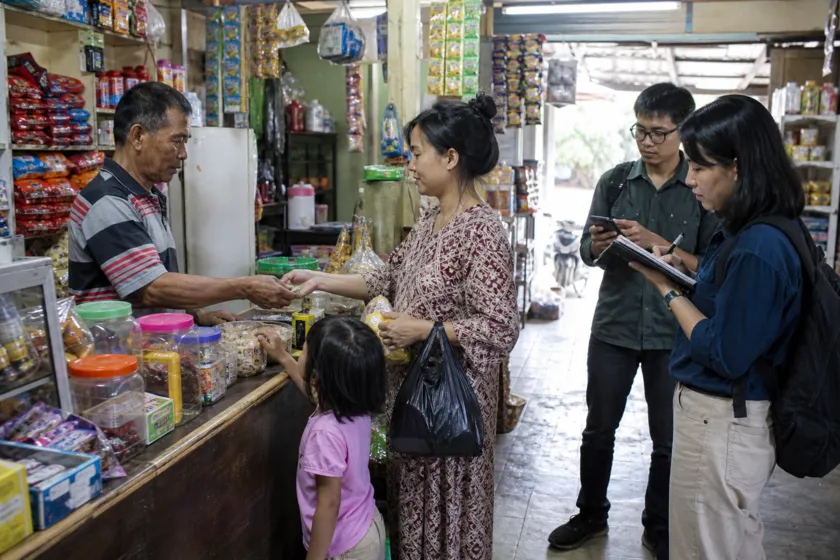
Ethnographic market research observes customers going about their daily activities in real time, in their normal environments, so teams can capture authentic moments, unfiltered reactions, and genuine behaviors. This matters because traditional approaches can miss subconscious behaviors and emotional drivers. Ethnography is explicitly positioned as a way to reveal the gap between what people say they do and what they actually do. In practice, researchers may shadow customers in stores, observe product interactions at home, or accompany users through daily routines. The goal is to uncover the unspoken behaviors, decision-making patterns, and emotional responses that customers themselves may not even recognize.
How Ethnography Connects Culture, Behavior, and Strategy
Ethnography is rooted in anthropology and is often described as a way to discover insights “deeper and under the surface,” identify cultural and emotional context, and avoid the risks of stereotyping. For Indonesia, where diverse ethnicities, religions, and traditions can influence purchasing decisions and brand perceptions, this focus on culture is not optional. Ethnographic methods are designed to gain insight into needs, desires, attitudes, beliefs, habits, and motivations by viewing behavior in natural settings. By getting close to customers, companies can also see cultural and social influences more clearly, which supports better product refinement and more resonant marketing strategies.
Modern ethnography also includes the digital world. Digital ethnography is described as uncovering hidden motivations by observing consumers in their natural online habitat, providing more authentic and nuanced insights than surveys and questionnaires alone. Researchers can study large volumes of user-generated content, monitor real-time consumer behaviors, and interpret evolving trends. Ethnographic work in digital marketing can include online observations, interviews, and analysis of virtual data sources such as social media channels, blogs, or forums. By tracking online interactions and conversations, teams can uncover underlying motivations, pain points, and unmet needs and translate rich qualitative data into actionable inputs for campaign development and content creation.
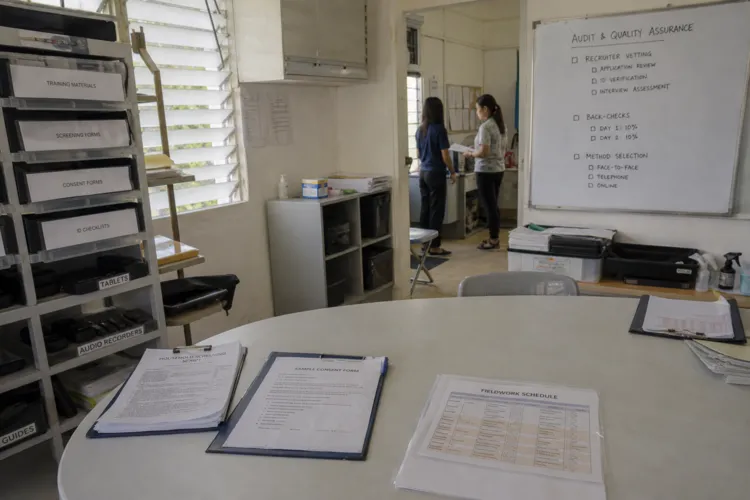
For organizations building an approach to ethnographic research Indonesia teams can use, the value is strongest when findings inform broader strategies. Some approaches explicitly combine ethnographic insights with behavioral data to connect qualitative observations with quantitative patterns, creating a more complete picture that unites what people do with why they do it. In Indonesia’s diverse market, this can complement broader market research efforts that support competitive analysis, risk mitigation, and customization of products and services for local needs. Ethnography does come with challenges noted in the sources, including time-consuming fieldwork, ethical considerations like informed consent and confidentiality, managing subjectivity, and potential bias in interpretation, so process and rigor matter.
Why does ethnographic research uncover deeper consumer insight in Indonesia?
What does ethnographic market research capture that surveys can miss?
How can digital ethnography support consumer understanding?
What are common challenges of ethnographic research?