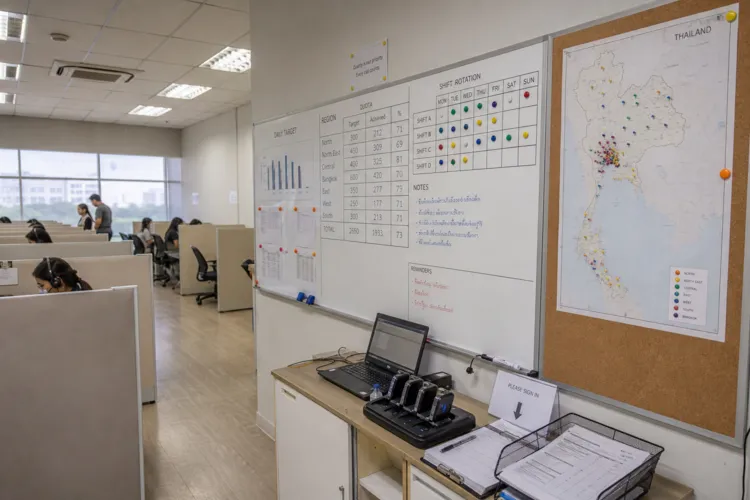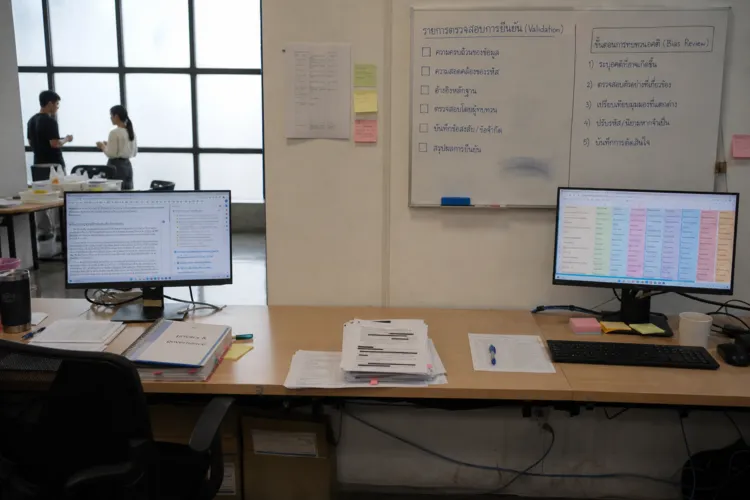
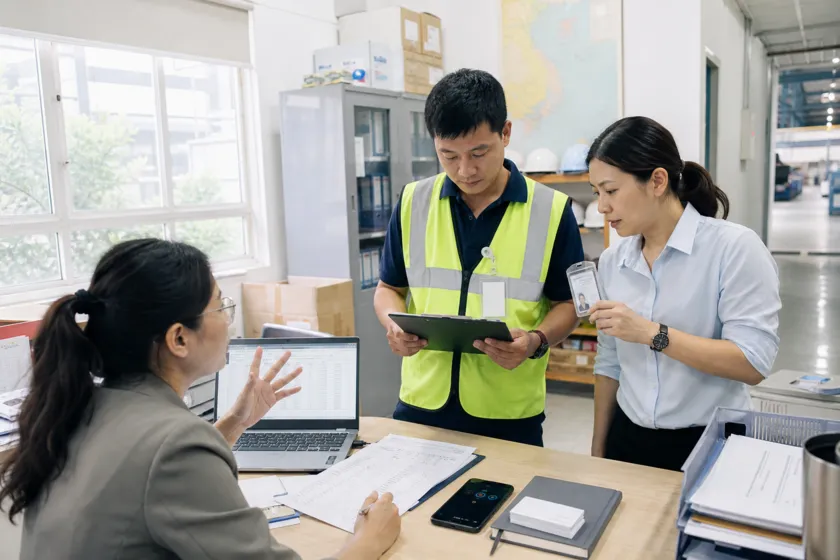
Hard-to-reach B2B respondents in Vietnam are rarely “hard” because they do not exist. They are hard because they sit behind gatekeepers, in project-driven roles, or inside export-facing operations where time is rationed. Your first job is to define what “reachable” means for the study. Decide which job-to-be-done you must interview (procurement, plant operations, compliance, logistics, or technology). Then pick a sourcing spine: industry associations and distributors, supplier lists and tender ecosystems, or trade-linked clusters. This approach keeps Vietnam B2B sample sourcing grounded in where decisions are actually made, instead of where profiles look convenient.
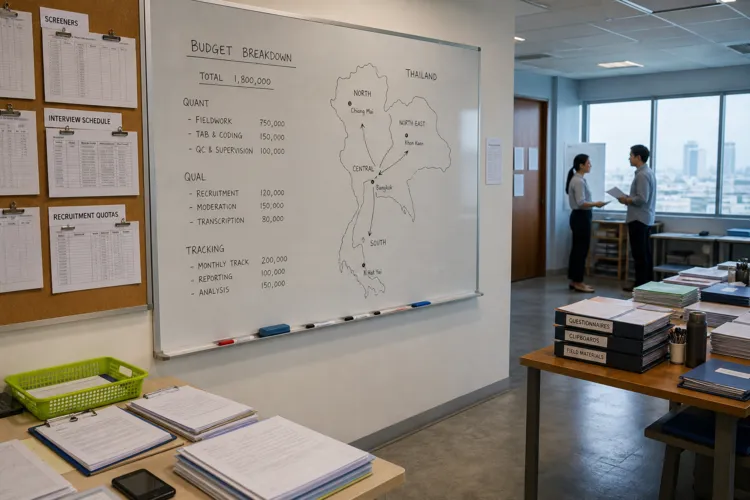
Use sector signals to choose respondent pools that are active right now. Manufacturing and processing has been described as taking more than 70% of total registered capital in Vietnam’s Q1 2026 FDI picture, when total registered capital was estimated at around USD 15.2 billion, up 42.9% year-on-year, with disbursed capital at USD 5.41 billion. These are not research quotas. They are practical hints about where management attention is concentrated and where gatekeepers will ask, “Why this interview, why now?” If your topic touches supply chain shifts, you can also align outreach with trade-linked functions: Vietnam’s exports to the US were reported at more than USD 151.8 billion in 2025, and the first two months of 2026 alone recorded USD 23.84 billion, up 21.9% year-on-year.
A Field Workflow: From Scoping to Verified Recruitment
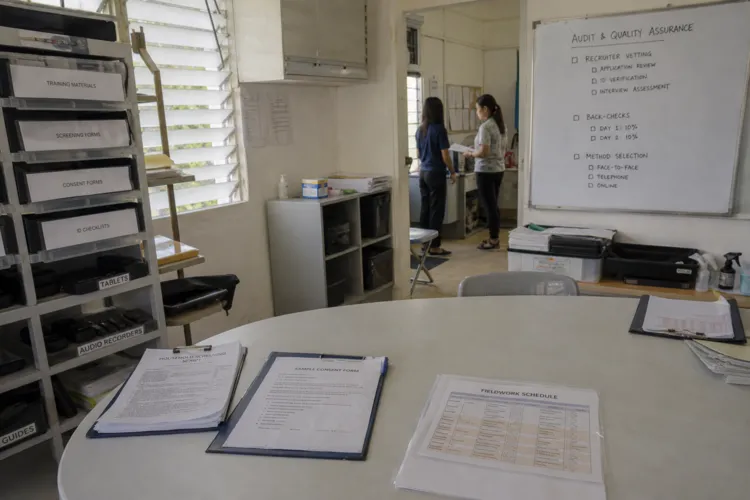
Build a workflow that can survive low response rates. Start with a scoping sheet that states inclusion rules in plain language: company role, responsibility, and a “proof point” you can verify. Then recruit in waves. Wave one uses known corporate footprints: for example, Vietnamnet reported the US has more than 900 investment projects in Ho Chi Minh City with total capital of around USD 7.6 billion, and nationwide over 1,500 projects with registered capital exceeding USD 12.5 billion. Those project ecosystems imply layers of professional services, logistics, and supplier networks you can sample from, not only the investors themselves. Wave two targets operational clusters with clear buying behavior, such as agriculture machinery importers; one industry report said Vietnam imported about 40,200 agricultural tractors in 2024, with import value of more than USD 5.67 million, a year-on-year increase of 38%, with China the largest import source, followed by Japan and India.
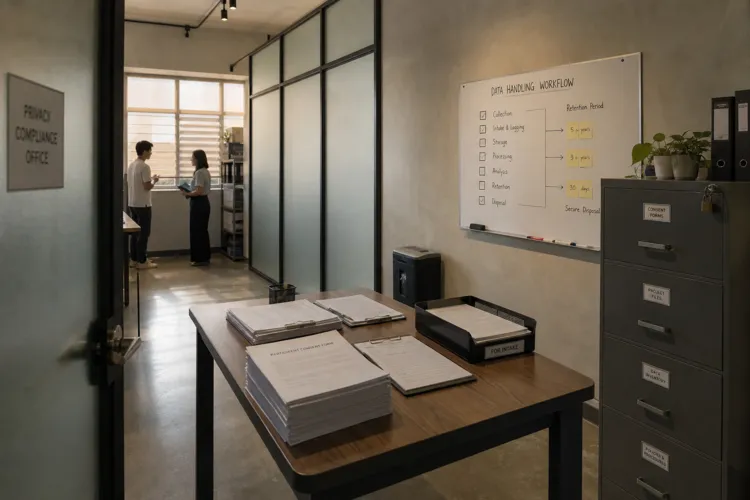
When access is politically or reputationally sensitive, design your outreach to reduce perceived risk. Reuters reported internal plans that include building a network of at least 1,000 influencers and 5,000 AI experts by 2030 to disseminate “positive” content. You do not need that network to do research, but it is a reminder that content ecosystems can be organized and monitored. For hard-to-reach roles, emphasize confidentiality, minimize time burden, and avoid over-collecting personal identifiers. In parallel, use “role verification” rather than personal claims: ask for non-sensitive indicators of function, such as the types of vendors they manage, whether they handle import documentation, or the systems they use, without asking for restricted information.
Finally, treat specialized verticals as their own recruitment problem. In critical minerals, Reuters noted China dominates tungsten production with 83% of global output in 2024, and that tungsten from Vietnam accounted for 22% of US imports last year and 8% of Europe’s imports, according to a minerals consultancy. That kind of concentration creates small populations, high scrutiny, and cautious respondents. For such sectors, recruit via adjacent functions: logistics, compliance, distributors, and downstream buyers. Also watch for market stress signals. Reuters cited that exports of tungsten products were 17% lower in July versus January, and that APT prices were up 71% in China and up 52% in Europe compared to the beginning of the year. If your interviews touch pricing or supply continuity, plan extra screening, shorter interviews, and more back-up candidates than you would in a broad manufacturing study.
How do I approach B2B sample sourcing in Vietnam without wasting outreach?
Which Vietnam sectors offer clear, verifiable respondent pools for B2B studies?
What figures can I use to justify Vietnam respondent demand in export-facing roles?
How should I recruit respondents in sensitive or closely watched environments?
How do I handle very small, specialized populations like critical minerals in Vietnam?