
In 2026, market research teams in Thailand operate in an environment shaped by visible risk events and an intensifying focus on compliance. Recent severe flooding in southern Thailand caused widespread damage, with economic losses estimated at more than $14b by the Ministry of Finance. The Thailand General Insurance Association also said insured losses from the floods could reach up to $1.4b. These kinds of numbers change how stakeholders think about governance. They also raise expectations for how organizations document decision-making, validate models, and control third-party work. A practical approach to Thailand PDPA compliance market research starts by treating privacy governance as a project requirement, not a legal afterthought.
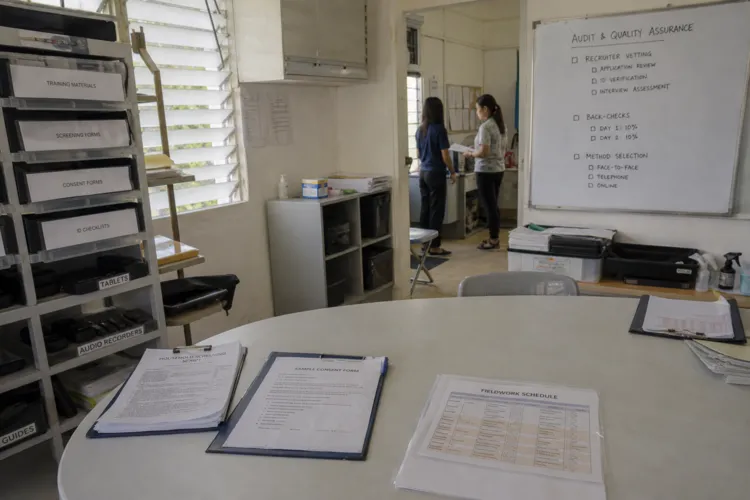
Build your program plan around a clear data map. Define which participant details are collected, which vendors touch the data, and which systems store it. Keep protocols consistent across survey, interview, and observational workflows. For example, if a research program is run across multiple industries, avoid using one-size-fits-all intake forms. Instead, specify what is necessary for each method and keep the rest out of scope. In parallel, set internal review gates that match the risk profile of the project. Where timelines are tight, a structured checklist can keep teams aligned on participant communications, vendor roles, and the limits of data reuse.
Turn Market Signals Into Research Governance Triggers
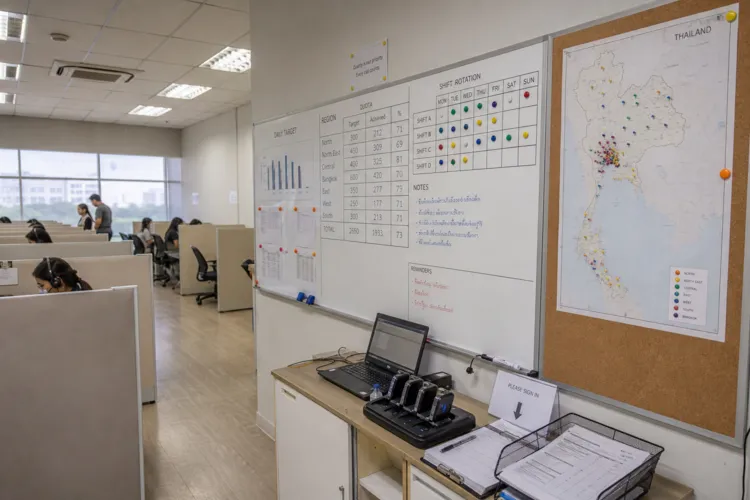
External market signals can be used as triggers to tighten research controls. Thailand’s property insurance premiums are expected to rise from $1.7b in 2026 to $2b by 2030, and GlobalData reported a compound annual growth rate of 5.22% across the next five years due to rising catastrophe risk. Those projections show how sensitive forecasts can be to underlying assumptions and data quality. For research teams, the lesson is straightforward: document the provenance of inputs, especially when you commission fieldwork or integrate third-party datasets. Put special emphasis on how participants are recruited and screened, because recruitment vendors often hold the most sensitive identifiers.
Vendor management deserves the same discipline as research design. Regional capacity is changing quickly, with Southeast Asia seeing expanding formulation and compounding capacity, and Thailand and Vietnam emerging as secondary processing hubs for industrial-grade composites used in automotive and consumer electronics. In parallel, composite programs in China, Japan, and Singapore are moving from prototyping to serial production, with demand growth cited at 20–25% annually. Even when those figures are outside Thailand, they indicate fast-moving ecosystems where new suppliers appear and operational models shift. That is exactly when contracts, data-handling instructions, and audit-ready records matter most for market research partnerships.
Finally, define what “done” means for compliance before fieldwork begins. Tie deliverables to minimization, retention limits, and access boundaries, then run a closeout process that confirms what was deleted, archived, or anonymized. Treat incident learning as part of continuous improvement. A magnitude-7.7 earthquake on 28 March 2025 in Sagaing, Myanmar, was felt in Bangkok, and it underscored how cross-border events can have local operational consequences. Use that mindset for privacy as well: plan for disruptions, keep participant communications clear, and ensure your research team can prove good practice through consistent records rather than assumptions.
How do you approach Thailand PDPA-compliant market research in 2026 without slowing projects down?
Which figures can help justify stronger governance for research programs in Thailand?
Why should market research teams pay attention to insurance-market projections?
How do regional supply-chain shifts affect research vendor risk?