
For FMCG teams, early validation is not about finding a single “perfect” idea. It is about comparing options and learning fast. One practical rule from market entry testing is to avoid testing only one concept. Run two or three variations and compare the results, because the version that wins in a new market can differ from what worked at home. Start by writing each variation as a clear promise. Use bold, specific language and upfront proof where you can. Then plan to collect signals in two ways: fast virtual testing to measure interest before inventory exists, and physical testing to learn from real purchases.
Virtual tests can be a smart first filter when you want speed and low cost. Virtual product demonstrations are described as low-cost, fast to launch, and requiring no inventory. The trade-off is important: this approach measures interest only, not product or purchase intent. A practical structure is to build a landing page that explains the product thoroughly and the problem it solves. Include packaging, format, ingredients, claims, and label design. Give visitors a single action step, such as joining a waitlist, requesting early access, or opting in for launch notifications. Drive traffic through ads, social media, and influencers, then compare which concept variation converts best.
From Interest to Evidence: Small-batch Physical Tests
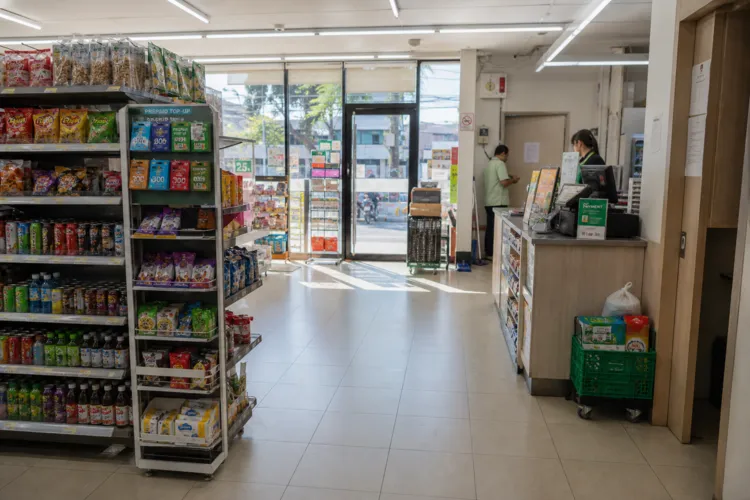
To move beyond curiosity, plan a physical test that sells a real product in small quantities. The most reliable way to validate demand is to sell a product, because it produces real data, reviews, and market validation. The approach can start from the same landing page, but with a purchase or preorder flow. If you already have a platform or app generating traffic, you can skip a separate landing page and upsell to existing users to save time and money. For concept testing Thailand teams, this step is where claims, pack design, and format meet reality in the hands of shoppers, not just survey intent.
Packaging should be treated as part of the concept, not a downstream design task. In Thailand, flexible packaging is a concrete area to watch. One market report states the Thailand Flexible Packaging Market is expected to reach a CAGR of 3.04% during the forecast period 2024–2031. Use that as a cue to test packaging options as separate concept variants, especially where high-barrier, biodegradable, or other performance expectations may affect acceptance. In your landing page and your small-batch test, disclose label design and packaging details up front, because that transparency helps consumers decide and gives you cleaner feedback.
Finally, choose test channels that create learning, not just sales. Travel retail is described as a strategic platform where FMCG brands can launch exclusive SKUs, test new products, and build global brand visibility with relatively low marketing costs. In that context, travel retail is reported as already worth $4.8bn (€4.1bn) and growing at a CAGR of 8.3%, reaching $7.7bn by 2030. Those figures are for travel retail broadly, not Thailand specifically, so use them as directional context when considering airports and other travel hubs as controlled test environments. Keep the playbook simple: compare two or three concept variations, filter with virtual interest, then confirm with small-batch selling and structured reviews.
Why should FMCG teams test two or three concept variations instead of one?
What does virtual testing actually measure?
What is the most reliable way to validate demand after early concept work?
How can concept testing in Thailand incorporate packaging learning?
Can travel retail be used to test new FMCG products?