Income-based tiers can be a useful starting point, but they are not enough for brands that want sharper consumer segmentation Philippines marketers can actually activate. The market is shifting with stronger digital adoption and rising expectations for convenience, personalization, and sustainability. Retail growth projections reflect that momentum: one outlook projects the Philippine retail market to grow at an 11.7% CAGR from 2024 to 2029, creating an additional US$77.71 billion in market opportunity. Another view values the Philippines retail industry at approximately US$45 billion, shaped by consumer spending, urbanization, and the growth of e-commerce and digital payments. In a fragmented field with many regional and international players, segmentation needs to explain not only who people are, but how and why they buy.
Channel behavior is now a defining divider. The Philippines’ e-commerce market reached US$28 billion in 2024 and is projected to grow to US$40.5 billion by 2027. Within that, mobile matters: 57% of e-commerce volume came from mobile in 2024. Digital access also frames the reachable audience; internet penetration stood at 73.1% of the total population at the start of 2023. These signals support segments built around shopping journeys, such as mobile-first deal seekers, research-heavy buyers who use digital platforms for information and commerce, and omnichannel shoppers who expect smooth transitions between store and app. A Google Trends snapshot also shows how interest can spike around specific moments: search interest for “filipino online purchasing behavior” peaked at a normalized 100 in January 2026 after periods with no recorded interest from March to December 2025 and again in February and March 2026.
From Demographics to “Jobs-to-Do”: Segment by Need, Occasion, and Trust
A stronger model adds what people are trying to accomplish. Category dynamics show why: the consumer electronics market is valued at US$7.92 billion in 2024 and is expected to reach US$10.96 billion by 2034, with a 3.30% CAGR. Meanwhile, foodservice reflects convenience and occasion-driven demand. Foodservice contributes over PHP 300 billion to the economy and employs over 70% of workers in accommodation and food and beverage, while average order value in the full-service restaurant segment has been rising at a 3.8% growth rate since 2022. Delivery also acts as an entry point for new segments, especially in urban areas where dine-in competition is high, and visibility on delivery apps can be as critical as location. Add cultural context and you get occasion clusters as well, since fiestas and other community celebrations stimulate spending on food, clothing, and festivities.
Next, loyalty and values can define segments more precisely than income alone. The Philippine loyalty programs market is projected at US$762.9 million in 2024 and US$1.08 billion by 2028, implying a 9.1% CAGR from 2024 to 2028, with growth tied to personalization, mobile integration, and varied program structures. That aligns with guidance that personalization helps capture attention, and with the idea that ethical brands focused on environmental sustainability and social responsibility are gaining traction among consumers who value transparency and responsible practices. Segmentation should also reflect social structure: Filipino society is tightly woven with family relations, extending beyond the immediate family. For some households, the role of Overseas Filipino Workers matters too, since remittances constitute a significant portion of GDP, shaping spending power and priorities.
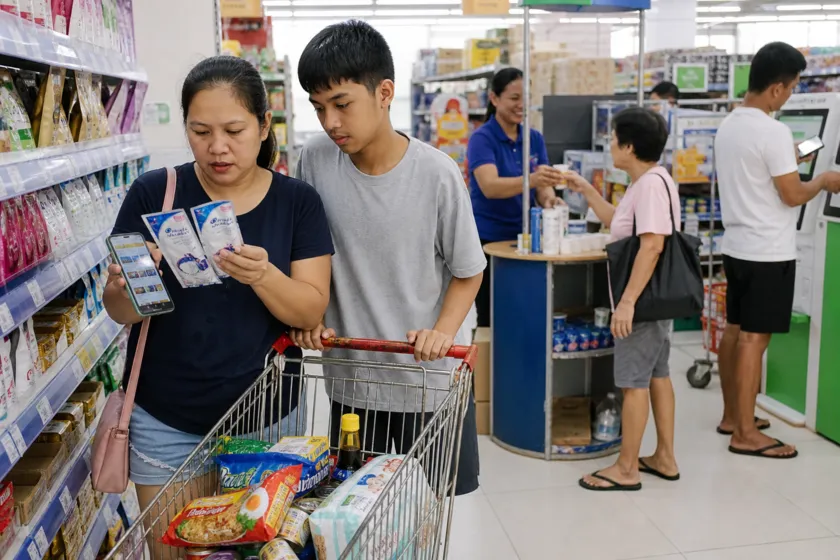
Practically, this means building segments that mix end-user and category behavior with channel signals. Retail itself serves different end-users, including individual consumers, MSMEs, large corporates, and government and institutions, each with distinct purchasing requirements. It also spans many types, from food and beverages to personal care, apparel, and electronics and appliances. To move beyond ABC, use data to identify clusters like “mobile-led essentials buyers,” “occasion diners,” or “value-and-ethics loyalists,” then connect them to omnichannel execution, inventory planning, and personalized messaging. As Philippine retailers increasingly adopt omnichannel strategies and apply artificial intelligence and data analytics for inventory and personalized marketing, segmentation becomes less about labels and more about repeatable decisions that match evolving consumer demands.
Why is moving beyond ABC helpful for consumer segmentation in the Philippines?
What numbers show digital and e-commerce signals matter for segmentation?
How can foodservice behavior inform segmentation strategies?
Why should loyalty be included as a segmentation layer?