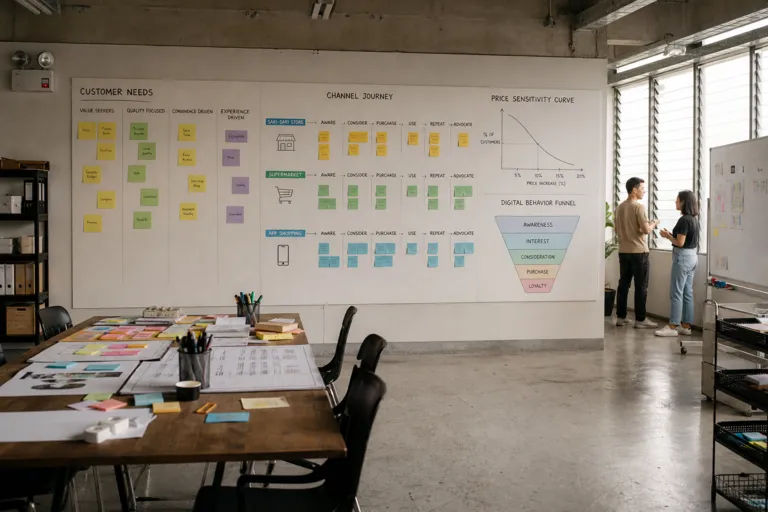
Needs-based segmentation is a customer segmentation strategy that focuses on the emotional or practical needs that drive people to purchase. Instead of pushing a generic message, marketers can use preference data, brand storytelling, and personalization to show how a product solves a problem and improves life. This approach subdivides consumers into segments with shared needs, then targets each group with tailored marketing tactics. When used well, it can improve customer satisfaction and potentially boost customer loyalty. In the Philippines, where consumer behavior is shaped by both traditional and modern shopping habits, this method offers a structured way to align messages with what different Filipino shoppers value.
Market segmentation Philippines work often starts with recognizing how varied the landscape is. Kadence International describes the country as an archipelago of over 7,000 islands and notes a market shaped by strong community bonds, significant digital engagement, and deep brand loyalty, with added economic boosts from overseas remittances. It also cites a practical insight from Josiah Go: “Filipinos buy based on emotion and justify with logic.” This is a strong signal for needs-based segmentation. You can segment by the emotional job a brand performs (trust, belonging, pride) and pair it with the logical proof shoppers want (value, convenience, reliability).
How Needs Show Up Across Philippine Retail and Foodservice
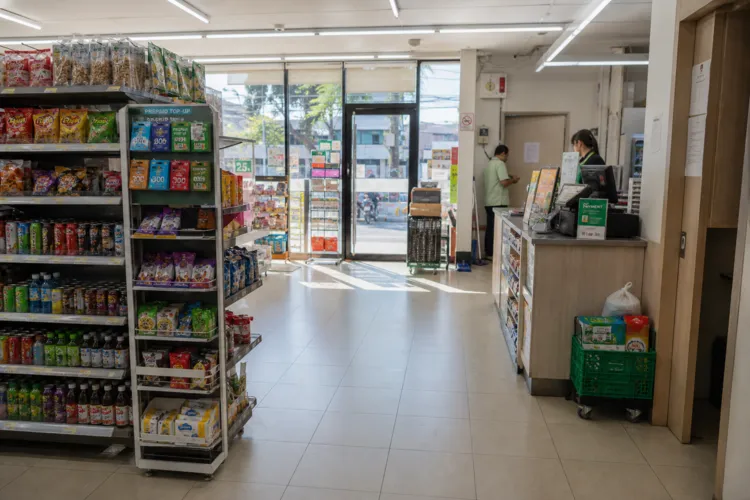
Needs also change by channel and format. Verified Market Research values the Philippines retail market at USD 45.62 Billion in 2024 and projects it will reach USD 78.90 Billion by 2032, with a CAGR of 6.9% from 2026 to 2032. The same source describes a dual structure: traditional sari-sari stores and wet markets alongside a modernizing sector, plus rising e-commerce adoption and digital payments that push omnichannel strategies. Those details point to distinct needs segments: shoppers who prioritize proximity and familiarity, shoppers who want the “mall culture” experience in places like Metro Manila and Cebu, and shoppers who want online convenience tied to physical pickup, returns, or service.
In foodservice, convenience and discovery can become clear segmentation signals. Restroworks says the digital food delivery services market reached approximately $3.86 billion in 2024 and is expected to grow at a CAGR of 12.3% through 2034, reaching around $12.3 billion. It also reports that online food delivery revenue in the Philippines is expected to reach $5.11 billion in 2025, as over 70% of consumers prefer delivery over traditional dine-in. For pricing context, the Consumer Price Index for Restaurants & Accommodation Services rose to 156.4 (2018=100) by March 2025 from 139.6 in early 2024, indicating consumers are paying over 12% more year-over-year to dine out. These figures support needs-based segments such as “save time,” “control spend,” and “try something new,” especially when Grab reports 89% of users discover new restaurants via GrabFood and that 87% of Filipinos snack via delivery between 3 pm and 6 pm.
To execute, combine needs with local context and research. RichestPH highlights value orientation and price sensitivity, especially in middle- and lower-income segments, where deals, discounts, promotions, and bundled offers often drive decisions, while also noting relatively strong brand loyalty for well-established and trusted brands. SIS International adds that income disparity means purchasing power can vary greatly from one region to another, making segmentation crucial, and recommends tailored, localized strategies due to regional diversity and cultural variations. Practically, build segments around needs like “value for money,” “trusted staple,” and “digital convenience,” then tailor offers and messages by region and channel. This keeps personalization grounded in what Filipino consumers actually seek.
What is needs-based segmentation in marketing?
Why does needs-based segmentation fit Filipino purchase behavior?
How can market segmentation in the Philippines reflect retail channel differences?
What food delivery signals can support needs-based segments in the Philippines?