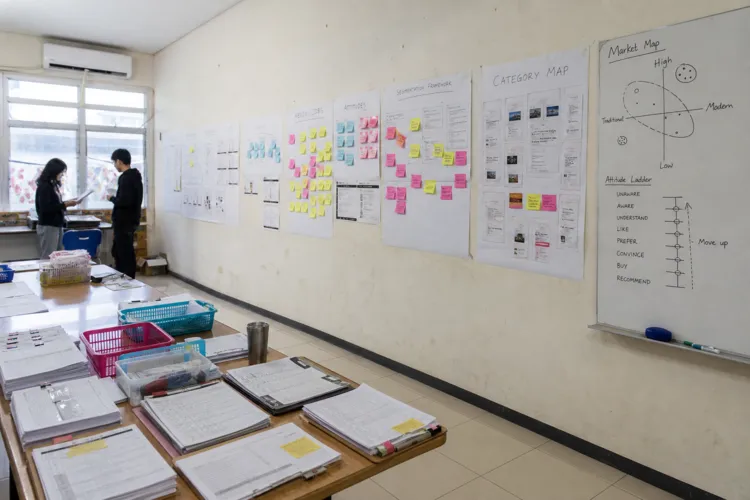
When you design research for halal consumer insights Malaysia teams can actually use, begin with a clear behavioral model. A Malaysia-based study that surveyed 384 respondents across Peninsular Malaysia used the Theory of Planned Behavior (TPB) extended with religiosity. It found that attitude, subjective norms, and religiosity each had significant positive effects on halal purchase intention. Subjective norms, defined as perceived social pressure to buy halal, were the strongest predictor, followed by attitude and then religiosity. For insight studies, this means your questionnaire should not just ask what people prefer. It should also test who influences them, how strongly they feel that influence, and how religious commitment shapes their intent.
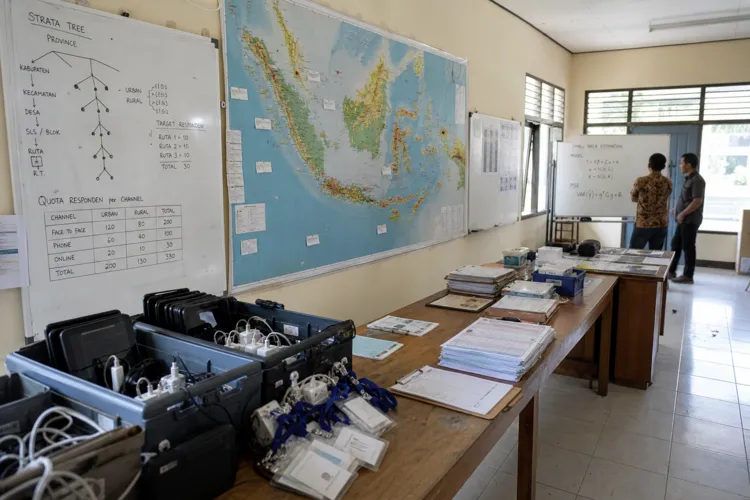
Next, plan your sampling and segmentation so you can separate social influence effects from product and channel effects. The same Malaysia study provides a practical benchmark for survey execution, because it demonstrates a full quantitative survey with 384 respondents and regression analysis. Build quotas or segments that let you compare shoppers who rely on family and community norms versus shoppers driven more by personal evaluation. In your instrument, include measures that capture the strength of subjective norms alongside attitude items, then add religiosity items so you can replicate the extended TPB logic. This structure helps you convert “halal” from a label into measurable drivers that explain intention and guide messaging tests.
Design the Study Around Trust Signals: Certification, Traceability, and Clarity
Trust is not a single variable in halal markets. Global sources describe operational signals that can be measured as trust cues in Malaysia research, but you must keep scope explicit. One global report notes a challenge: a lack of standardization in certification processes across countries can create confusion, including differences in slaughter methods and handling requirements. Another global market analysis describes how certification is being repositioned “as a live data layer,” referencing live-scanned QR codes from Singapore’s MUIS and blockchain pilots by Malaysia’s JAKIM that compress audit cycles and elevate transparency. Convert these ideas into survey and qualitative prompts about what consumers believe certification guarantees, and what extra proof (like QR-based traceability) changes their confidence.
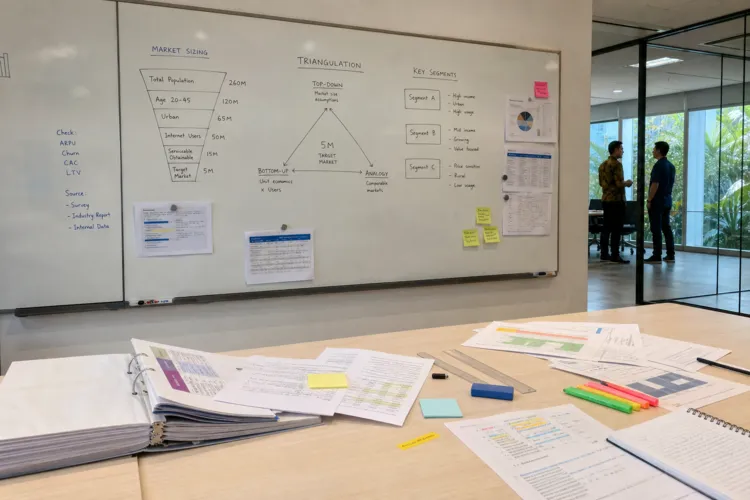
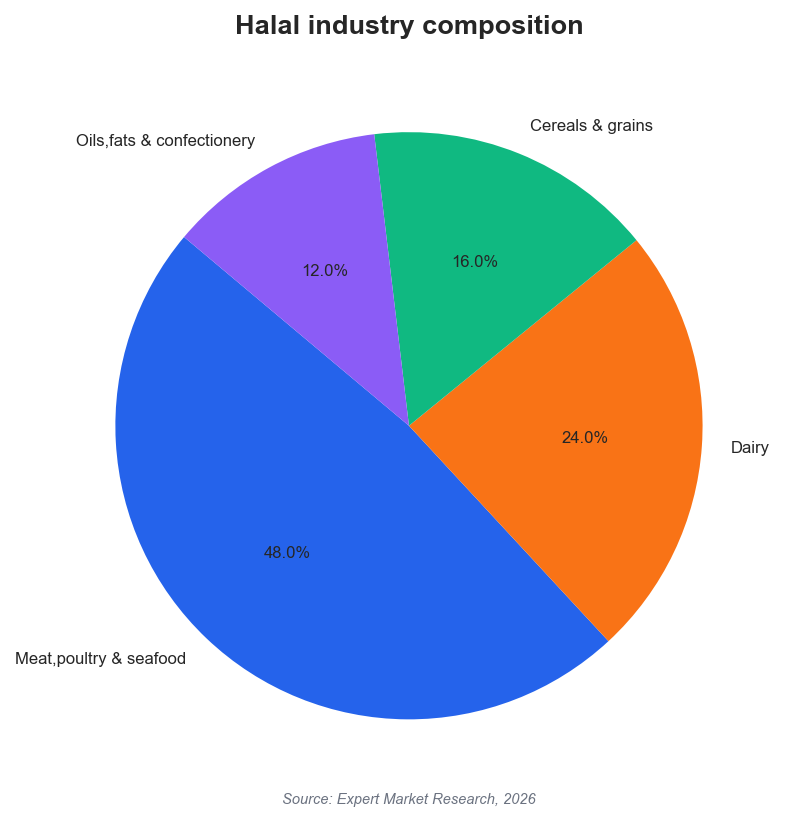
Use market context carefully to prioritize categories, without overstating what is Malaysia-specific. Globally, one report estimates the halal food market at USD 1,426.57 Bn in 2026 and projects USD 3,356.15 Bn by 2033, with a 13.0% CAGR from 2026 to 2033. Another report states that the halal food and beverages market is expected to increase from USD 810.25 billion in 2025 to USD 880.41 billion in 2026 and reach USD 1,304.21 billion by 2031, growing at a CAGR of 8.55% over 2026–2031. For questionnaire design, these global signals justify testing category trade-offs such as meat, poultry, dairy, and packaged foods, and probing whether “healthier and safer” perceptions are part of the halal value proposition for different shopper types.
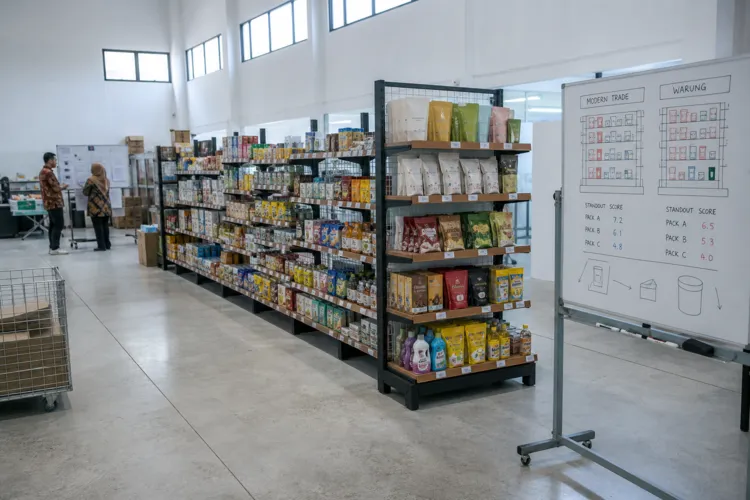
Finally, align your study deliverables with where purchases happen and how shoppers verify halal claims. Globally, supermarkets and hypermarkets held a 42.38% revenue share in 2025, while online retail is projected to expand at a 10.11% CAGR through 2031. This suggests you should run channel-specific modules: one focused on in-store shelf trust and certification visibility, and another focused on digital verification behaviors and “proof of halal” in product pages. To keep Malaysia grounded, tie channel findings back to local policy and industry framing that mentions Malaysia’s Halal Industry Master plan 2030. Then translate results into action: messaging tests that leverage subjective norms, packaging tests that simplify clarity, and journey maps that show where trust is gained or lost.
What variables should a Malaysia halal insight survey measure first?
How large can a practical survey sample be for halal purchase-intention research in Malaysia?
How should halal trust be tested in consumer research?
How can halal consumer insights in Malaysia be made more actionable for channels?