
Indonesia is a complex market to measure well. It is the fourth most populous country, with over 300 ethnic groups and 700 languages, and that diversity creates both opportunity and risk for research design. A reliable panel is not only about speed or scale. It is about reducing bias that comes from geography, culture, and digital access. Sources on Indonesia research warn that methods applied without local adaptation can produce systematically misleading results. That is why a dependable approach to consumer panel Indonesia projects starts with clarity on the population you want to represent, then builds recruitment and verification around that definition.
Sampling is the backbone. Professional guidance for Indonesia survey work emphasizes that sample size should be calculated from an acceptable margin of error and confidence level, not just budget. For a nationally representative study, stratified random sampling based on urban population proportions by region is described as the minimum standard. Another source highlights the risk of defaulting to urban online panels: designs built on urban online panels can produce findings that represent approximately 30% of the actual consumer base. To avoid this, sampling should be explicitly stratified across geographic zones, with Java, Sumatra, and other islands considered at minimum, rather than relying on whatever an online panel happens to provide.
Quality Control: Make Panel Data Credible, Not Just Fast
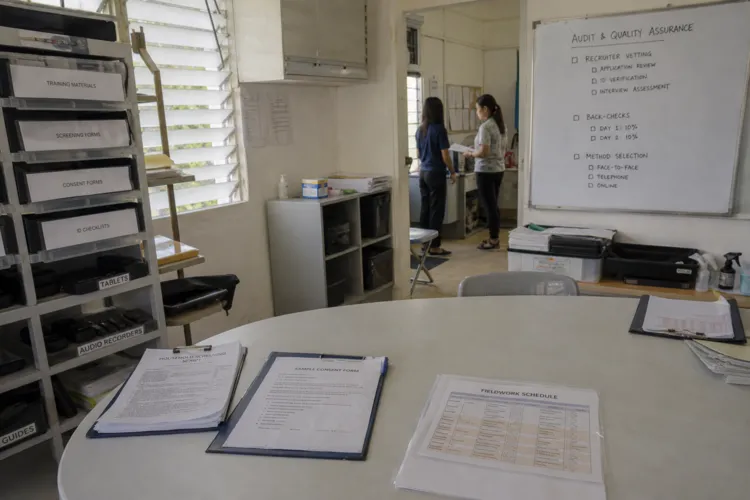
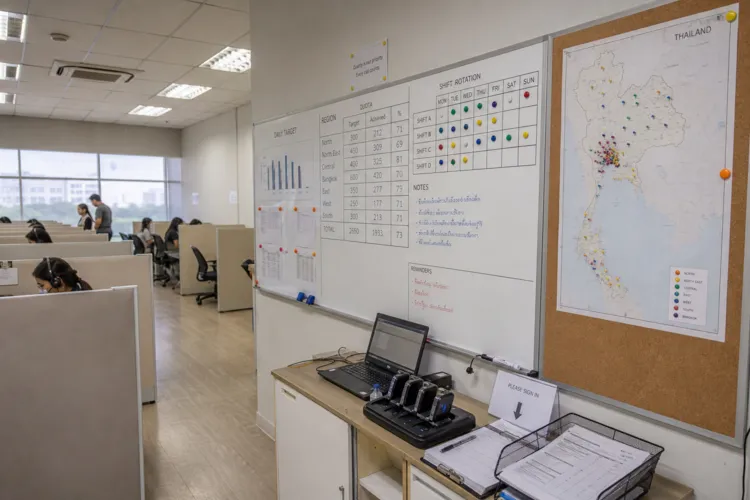
Recruitment and fieldwork controls determine whether panel data is usable for high-stakes decisions. Recommended practices for Indonesia include layered quality control such as CAPI with GPS timestamp on every interview, supervisory back-checks on a minimum 15–20% of respondents, and audio recording verification. Data processing should also screen for straight-lining, speeders, and logical inconsistencies before analysis. These steps matter because Indonesia is described as a partially regulated research environment, where integrity controls are not optional if results will inform significant choices. A panel provider may promise quick turnaround, but reliability depends on these documented controls being consistently applied.
Good panels also depend on good instruments. Indonesia methodology guidance recommends psychometrically valid questionnaires that avoid leading questions, keep scales consistent, and manage order effects that create bias. It also describes cognitive pretesting with 30–50 respondents from the target segment as standard practice before full fieldwork, because items that seem clear to researchers can fail in real-world comprehension. Combining this with a mixed-methods sequence can raise accuracy: qualitative work (such as IDI and FGD) can help shape survey language that matches how consumers actually think, followed by quantitative confirmation to measure prevalence at scale. IDI are described as 45–90 minutes, while FGD are described as 6–8 respondents in a moderated 90–120 minute session.
Finally, build panel strategy around the business context in Indonesia. The country’s economy is described as a mixed system and the 16th largest globally, with nominal GDP of approximately USD 1.371 trillion in 2023 and projected growth of 5.2% by 2025. Sector structure also shapes recruitment priorities, including manufacturing at about 18.67% of GDP, agriculture around 13% of GDP, and mining contributing over 10% to GDP. In retail, competition and consumer price sensitivity are highlighted as drivers pushing companies toward consumer data analytics and digital payment infrastructure. For panel-based research, this means eligibility, quotas, and segmentation should be designed to reflect the category’s real decision journey and geographic variation, not a one-size-fits-all sample.
What makes a consumer panel in Indonesia reliable for decision-making?
Why can urban online panels misrepresent Indonesian consumers?
How should a nationally representative sample be designed in Indonesia?
How do mixed methods improve outcomes for a consumer panel Indonesia project?
What pretesting standard is recommended before running a full consumer survey?