Deep Cultural Understanding
We help you connect with Thailand's diverse cultures by navigating local habits, values, and unspoken norms. This ensures your strategy aligns with local expectations, building trust and fostering sustainable results.


With decades of experience, our Thailand Food Services Consulting excels in guiding businesses through Thailand's dynamic food services market. We leverage a global reach and hands-on support to help clients thrive with tailored strategies and comprehensive services, ensuring success in this competitive sector.
As Thailand’s food services sector reached a value of approximately €26.8 billion (US $31.5 billion) in 2025 with 4.1 % annual growth, growth noticeably exceeded the global average of 2.2 %. Quick‑service restaurants led the expansion with 5.1 % growth, while street‑food remained the largest contributor at over €8.79 billion.
Registered food and beverage businesses in 2024 generated total revenue of THB 337.2 billion with restaurants accounting for THB 308.8 billion or 91.6 %, posting a compound annual growth rate of 8.3 % since pre‑pandemic. However, revenue growth decelerated in 2025 to around 2.0–3.0 %, with forecast reaching THB 340–350 billion amid reduced foreign tourist arrivals.
The foodservice market size is expected to expand from about USD 31.5 billion in 2025 to USD 47.4 billion by 2032 at a forecasted CAGR of 6.01 %. Cloud kitchens are projected to grow fastest at 25 % CAGR through 2031, while delivery services show a strong upward trend.
The foodservice market in Thailand is set to grow at a CAGR of
Source: Thailand Government
Thailand's food services industry is vibrant, encompassing sectors like restaurants, catering, quick-service outlets, and food delivery, among others. Changes in consumer preferences and digitization propel growth. Our Food Services Consulting offers strategic insights to help companies navigate this dynamic terrain effectively.
As Thailand continues to innovate with organic, ethnic, and plant-based offerings, emerging sectors such as health-focused eateries, artisan bakeries, and cloud kitchens are thriving. Our expertise ensures that businesses stay ahead, leveraging new trends and maximizing market opportunities.
Adapting to shifts in technology, sustainability, and supply chain optimization, the food services sector is increasingly data-driven. Our consulting services provide indispensable guidance, empowering decision-makers to implement efficient, scalable solutions, aligning with current and future demands in this competitive landscape.
We help you connect with Thailand's diverse cultures by navigating local habits, values, and unspoken norms. This ensures your strategy aligns with local expectations, building trust and fostering sustainable results.
Our actionable intelligence, powered by real-time market monitoring and insights from your ecosystem, enables you to make informed decisions, seize emerging opportunities, and mitigate risks in Thailand's dynamic markets.
Through direct engagement with key stakeholders, we provide you with nuanced perspectives that reveal the “why” behind market behaviors, helping you design tailored solutions that drive meaningful results.
Validate opportunities, manage risk, and allocate capital with greater confidence through current market evidence and practical strategic advice.
Our company has successfully supported various Food Services projects by providing market research, competitive analysis, and strategic guidance to help businesses succeed.
We offers comprehensive Food Services market research, delivering valuable insights and actionable recommendations in Thailand to enable businesses to make well-informed decisions and achieve long-term success in the industry.
We offers comprehensive Food Services Strategic Planning services in Thailand, providing tailored frameworks and actionable strategies to help businesses achieve their goals and sustain growth in a competitive environment.
We delivers expert Food Services Market Entry Strategy solutions in Thailand, offering valuable insights and effective approaches that empower businesses to successfully penetrate new markets and secure a competitive edge.
We provides in-depth Food Services Merger and Acquisitions advisory in Thailand, guiding businesses with expert recommendations to navigate complex transactions, unlock synergies, and maximize shareholder value.
We specializes in Food Services Value Chain Analysis in Thailand, delivering actionable insights that optimize operational efficiency, enhance profitability, and drive strategic decision-making for businesses across industries.
We offers thorough Food Services Competitive Benchmarking services in Thailand, helping businesses identify key performance gaps, uncover market opportunities, and build stronger competitive strategies.
We delivers expert Food Services Distribution and Strategic Partnership solutions in Thailand, enabling businesses to establish effective networks, foster collaborative relationships, and achieve long-term market success.
We provides advanced Food Services Consumer Behavior Analysis services in Thailand, offering actionable insights into consumer preferences and trends to help businesses refine their strategies and enhance customer satisfaction.
Establish industry dominance with our experts and partners










South China Morning Post featured Damien Duhamel, Managing Partner at Eurogroup Consulting, sharing his perspective on how Chinese EV competition could reshape Malaysia's automotive industry and the wider regional market.
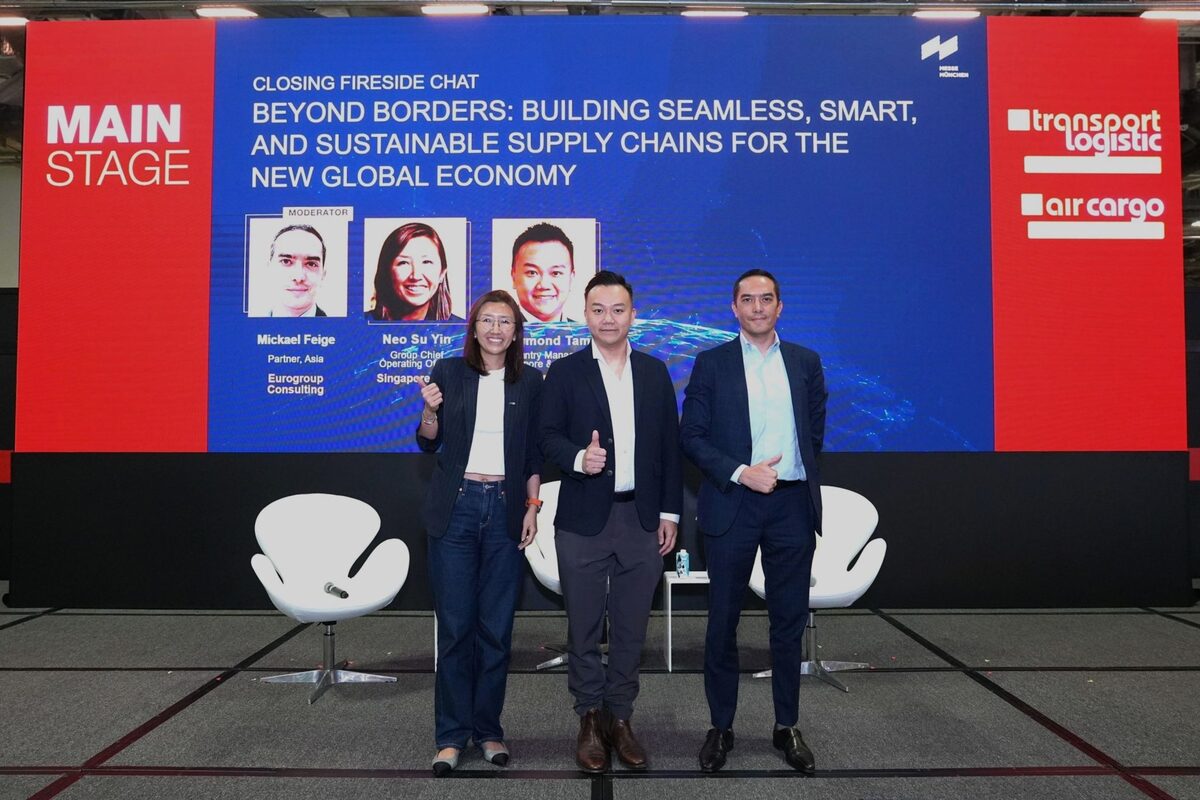
At Transport Logistic Southeast Asia 2025, Mickael Feige, Partner at Eurogroup Consulting, moderated a fireside chat on building seamless, smart and sustainable supply chains for the new global economy.

Damien Duhamel shared his perspective with Business Insider on the factors shaping innovation across Asia's leading cities, from human talent and technology to governance and global integration.

Thailand’s ageing transition is creating a real but selective senior living opportunity. The paper examines investable demand, scalable business models and the constraints still limiting market growth.

Southeast Asia is emerging as a key advanced manufacturing hub. The white paper examines the capabilities, technologies and opportunities reshaping the region’s industrial landscape.

Southeast Asia’s cities are transforming through rapid urbanisation and sustainability. It explores the trends shaping greener, more resilient and inclusive urban development.

ASEAN’s consumer landscape is evolving with rising incomes, digitalisation and changing expectations. The report highlights the trends reshaping how businesses engage and grow across the region.
Leading Thai restaurant group — operations across Southeast Asia
VIEW DETAILHIDE DETAIL →The client faced inefficiencies in their supply chain while planning to expand their restaurant chain in Southeast Asia. Rising operational costs and inconsistent supplier performance threatened their profitability and growth. They required an effective strategy to streamline processes and enhance supply chain resilience.
We conducted a comprehensive audit of their current supply chain operations, analyzing vendor contracts, logistics routes, and inventory management practices. A tailored benchmarking analysis against industry best practices was implemented to identify gaps. Our team facilitated workshops with key stakeholders to develop a scalable supply strategy.
We recommended implementing a centralized supply management system to improve coordination and visibility. Consolidating suppliers to leverage volume discounts and diversifying logistics options to mitigate risks were advised. Strengthening supplier relationships through formal performance metrics was also suggested.
The client realized a 15% reduction in supply chain costs within the first year. Delivery times improved by 25%, enhancing overall service levels. The implementation led to a more sustainable expansion framework, supporting their goal of opening additional regional outlets.
Emerging Thai gourmet food manufacturer — aiming for regional expansion
VIEW DETAILHIDE DETAIL →The client intended to introduce a line of premium gourmet products into competitive Southeast Asian markets. They lacked insights into consumer preferences and effective distribution networks critical for a successful launch. Identifying cost-effective entry strategies was crucial to achieve their objectives.
Our team performed in-depth market research, including consumer taste tests and focus groups to ascertain preferences. Competitive landscape analysis identified potential market gaps and partnership opportunities. Strategic collaborations were explored to establish efficient distribution channels, enhancing market penetration.
We advised a phased market entry approach, starting with high-potential urban areas identified during research. Recommendations included tailoring marketing campaigns to match localized preferences and establishing strategic alliances with local distributors. Digital marketing initiatives were highlighted to increase brand awareness.
The client achieved a 20% market share within two years of the launch in key urban centers. Their market entry strategy led to a 30% increase in brand recognition. The execution resulted in expanded distribution channels, supporting sustainable revenue growth.
Large-scale Thai food processing company — serving global markets
VIEW DETAILHIDE DETAIL →The client was experiencing rising operational costs impacting their competitive edge globally. An outdated production facility and inefficient processes led to increased waste and diminished profitability. Their goal was to enhance production efficiency while maintaining quality standards.
We conducted a comprehensive operational assessment covering production workflows, equipment utilization, and waste management practices. Advanced data analytics identified key bottlenecks and inefficiencies. Our experts collaborated with the client's team to design a roadmap for upgrading technology and restructuring workflows.
Investing in state-of-the-art machinery and process automation was recommended to enhance efficiency. Streamlining workflows and introducing rigorous waste reduction initiatives were critical. Regular continuous improvement training sessions were advised to sustain long-term operational gains.
The client achieved a 25% reduction in waste and a 15% improvement in production throughput within the first year. The modernization efforts led to a decrease in operational costs by 18%. Improved efficiencies positioned the client to compete more effectively on a global scale.
Trusted by clients for long-term collaboration. Selected organizations our teams have supported globally and across Thailand.























A market study in Thailand's food services involves analyzing consumer preferences, market demand, and current trends. It includes client segmentation, field interviews, and competitor benchmarking. Regulatory review and cultural influences are also assessed to provide a comprehensive market overview.
A feasibility study is vital to evaluate financial, operational, and market risks. It involves analyzing demand patterns, cost structures, and regulatory compliance. This study helps in understanding local business conditions, competition levels, and consumer behavior, ensuring informed decision-making and strategic planning.
Market size is assessed by reviewing historical sales data, conducting surveys, and analyzing trends. Demand analysis and economic indicators are used to predict future growth. Evaluating competitor market share and consumer spending patterns also helps in determining the potential market size for food services in Thailand.
Competitive analysis involves identifying key competitors and assessing their strengths and weaknesses. Techniques include analyzing pricing strategies, customer base, and market position. Benchmarking against industry standards and conducting SWOT analysis provide insights into competitive dynamics within Thailand's food services sector.
A strategic plan involves setting long-term business goals tailored to the Thai market, incorporating market entry strategies and resource allocation. It requires understanding consumer needs, competitive positioning, and regulatory landscape. The plan includes growth opportunities, risk assessments, and actionable steps to achieve sustainable success.
600 N Bridge Rd, #13-06, Singapore 188778