Deep Cultural Understanding
We help you connect with Thailand's diverse cultures by navigating local habits, values, and unspoken norms. This ensures your strategy aligns with local expectations, building trust and fostering sustainable results.


With deep expertise in Thailand's Circular Economy Consulting, we empower businesses to excel in this dynamic sector. Our hands-on support and wide range of services ensure clients thrive amidst the competitive landscape. Leveraging decades of experience and a global reach, we provide solutions tailored to your growth in Thailand.
Thailand’s green market, encompassing sectors such as the circular economy, rose from THB 218 billion in 2015 to THB 369 billion in 2024, reflecting a compound annual growth rate of 5.68 %, which slightly exceeds the global green market’s 5.03 % growth rate. This underscores the increasing economic relevance of the circular economy domain in Thailand.
A transition to a circular economic model in Thailand is projected to contribute approximately 1.2 % to GDP and generate nearly 160 000 additional jobs by 2030 (about 0.3 % of total employment). These figures illustrate the potential for sustainable economic expansion tied to circular economy initiatives.
As part of the BCG (Bio‑Circular‑Green) economy model, Thailand expects the circular economy to deliver at least THB 200 billion in value—equivalent to around 1 % of GDP—by 2030. This indicates formal recognition of circular economy’s contribution to national economic planning happening under the BCG framework.
Thailand's green market experienced a compound annual growth rate of
Source: Office of the National Higher Education, Science, Research and Innovation Policy Council
In Thailand, the circular economy landscape is rapidly evolving across key sectors such as waste management, renewable energy, eco-friendly packaging, sustainable agriculture, green construction, water conservation, and textile recycling. Automotive innovation, food waste reduction, digital transformation, electronic waste management, bio-based industries, retail sustainability, tourism greening, and logistics are also gaining momentum. Our tailored Circular Economy Consulting services guide businesses through this complex terrain, fostering sustainable practices that drive efficiency and long-term success.
Key trends in Thailand's circular economy include adopting closed-loop systems, enhancing resource efficiency, and integrating digital tools for smarter waste segregation and recycling. Industries like green finance, modular construction, alternative energies, and sustainable fashion are aligning with global standards, setting benchmarks for innovation and compliance. By leveraging our expertise in these emerging trends, clients can transform operations, achieve strategic sustainability goals, and position themselves competitively in the market.
Our firm excels in delivering strategic insights and frameworks that align with Thailand's national policies and environmental goals. With a focus on sectors such as sustainable agriculture, waste to energy, biodegradable product innovation, and eco-tourism, our Circular Economy Consulting empowers decision-makers to implement impactful changes. Our deep understanding of the local market dynamics and global best practices ensures that clients can efficiently navigate the circular economy landscape, maximizing growth and performance.
We help you connect with Thailand's diverse cultures by navigating local habits, values, and unspoken norms. This ensures your strategy aligns with local expectations, building trust and fostering sustainable results.
Our actionable intelligence, powered by real-time market monitoring and insights from your ecosystem, enables you to make informed decisions, seize emerging opportunities, and mitigate risks in Thailand's dynamic markets.
Through direct engagement with key stakeholders, we provide you with nuanced perspectives that reveal the “why” behind market behaviors, helping you design tailored solutions that drive meaningful results.
Validate opportunities, manage risk, and allocate capital with greater confidence through current market evidence and practical strategic advice.
Our company has successfully supported various Circular Economy projects by providing market research, competitive analysis, and strategic guidance to help businesses succeed.
We offers comprehensive Circular Economy market research, delivering valuable insights and actionable recommendations in Thailand to enable businesses to make well-informed decisions and achieve long-term success in the industry.
We offers comprehensive Circular Economy Strategic Planning services in Thailand, providing tailored frameworks and actionable strategies to help businesses achieve their goals and sustain growth in a competitive environment.
We delivers expert Circular Economy Market Entry Strategy solutions in Thailand, offering valuable insights and effective approaches that empower businesses to successfully penetrate new markets and secure a competitive edge.
We provides in-depth Circular Economy Merger and Acquisitions advisory in Thailand, guiding businesses with expert recommendations to navigate complex transactions, unlock synergies, and maximize shareholder value.
We specializes in Circular Economy Value Chain Analysis in Thailand, delivering actionable insights that optimize operational efficiency, enhance profitability, and drive strategic decision-making for businesses across industries.
We offers thorough Circular Economy Competitive Benchmarking services in Thailand, helping businesses identify key performance gaps, uncover market opportunities, and build stronger competitive strategies.
We delivers expert Circular Economy Distribution and Strategic Partnership solutions in Thailand, enabling businesses to establish effective networks, foster collaborative relationships, and achieve long-term market success.
We provides advanced Circular Economy Consumer Behavior Analysis services in Thailand, offering actionable insights into consumer preferences and trends to help businesses refine their strategies and enhance customer satisfaction.
Establish industry dominance with our experts and partners









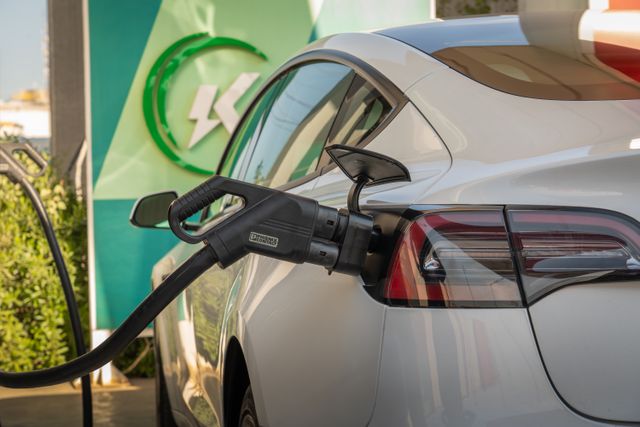
South China Morning Post featured Damien Duhamel, Managing Partner at Eurogroup Consulting, sharing his perspective on how Chinese EV competition could reshape Malaysia's automotive industry and the wider regional market.
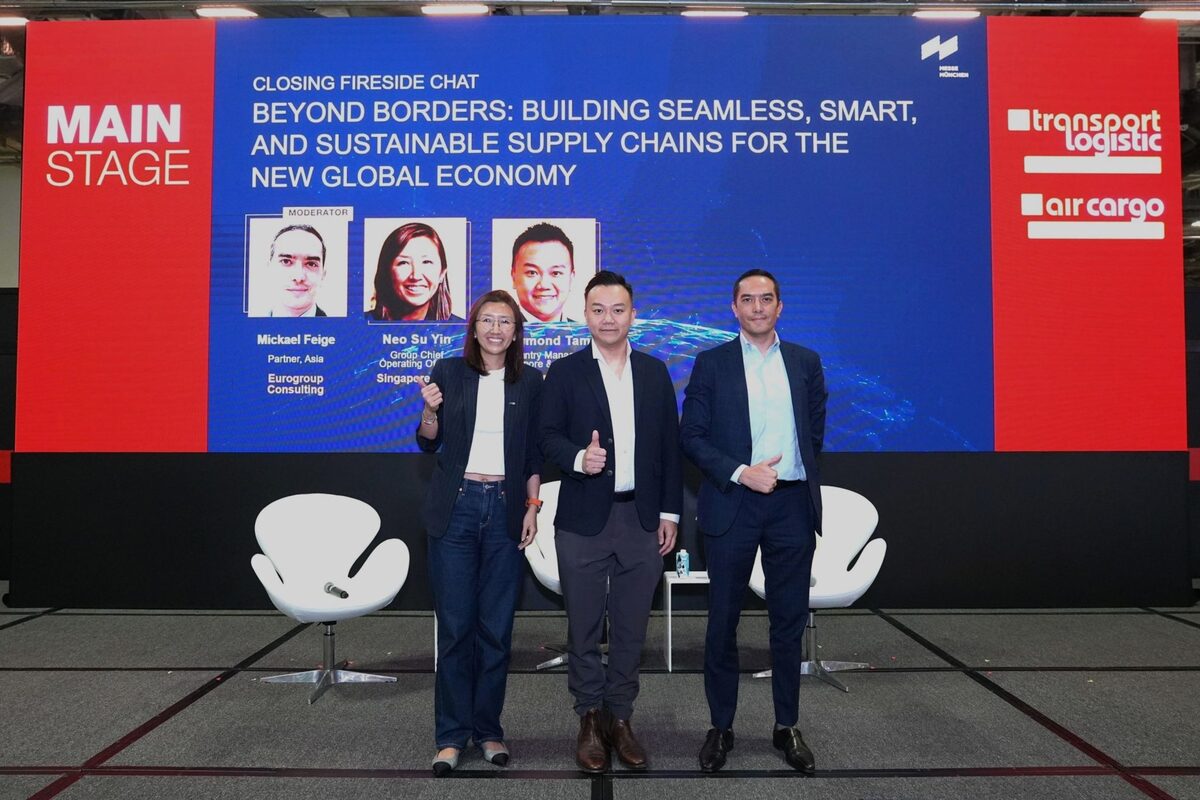
At Transport Logistic Southeast Asia 2025, Mickael Feige, Partner at Eurogroup Consulting, moderated a fireside chat on building seamless, smart and sustainable supply chains for the new global economy.

Damien Duhamel shared his perspective with Business Insider on the factors shaping innovation across Asia's leading cities, from human talent and technology to governance and global integration.

Thailand’s ageing transition is creating a real but selective senior living opportunity. The paper examines investable demand, scalable business models and the constraints still limiting market growth.

Southeast Asia is emerging as a key advanced manufacturing hub. The white paper examines the capabilities, technologies and opportunities reshaping the region’s industrial landscape.

Southeast Asia’s cities are transforming through rapid urbanisation and sustainability. It explores the trends shaping greener, more resilient and inclusive urban development.

ASEAN’s consumer landscape is evolving with rising incomes, digitalisation and changing expectations. The report highlights the trends reshaping how businesses engage and grow across the region.
Mid-sized Thai manufacturing firm — sustainability initiative
VIEW DETAILHIDE DETAIL →The client aimed to evaluate and enhance sustainability practices across their production lines. They faced regulatory pressure to reduce carbon emissions and improve waste management. Identifying cost-effective solutions was a key concern.
We conducted a comprehensive audit of existing operations, focusing on resources usage and waste output. Advanced analytics identified inefficiencies and potential improvements. Collaborative workshops with stakeholders refined the scope of sustainable practices.
Prioritize adopting advanced recycling processes and switching to low-emission materials. Consider establishing partnerships with green technology providers. Implement employee training programs to foster a culture of sustainability.
Typical engagements lead to a 15% reduction in waste disposal costs within six months. Emissions are usually reduced by about 20% annually. The client was able to comply with new regulations ahead of schedule.
Large Thai retailer — nationwide operations
VIEW DETAILHIDE DETAIL →The retailer sought to integrate circular economy principles into its supply chain. There was a critical need to reduce dependency on virgin materials. Existing infrastructure was not optimized for updated recycling processes.
Supply chain modeling was used to simulate scenarios for material re-use and recycling. Partnerships with suppliers were renegotiated to include sustainability clauses. A roadmap to achieve a circular supply chain over three phases was created.
Exploit digital platforms for transparency in resource flow. Develop strong circular economy partnerships within the region. Continuously review and adapt the supply chain model to incorporate new sustainability practices.
Standard results include a 30% reduction in procurement costs over two years. Recycling rates typically increase by about 25% within the first year. Customer satisfaction often improves due to enhanced brand reputation.
Small Thai food processing company — regional distribution
VIEW DETAILHIDE DETAIL →The company faced challenges in meeting zero-waste targets set by new policy directives. Existing waste management protocols were outdated and inefficient. Dependencies on external waste contractors affected cost control and environmental impact.
We initiated a lean waste audit to identify key waste streams and inefficiencies. Custom waste management systems were designed to replace outdated protocols. In-house processing capabilities were enhanced to reduce reliance on external services.
Invest in high-efficiency processing equipment to cut down waste. Engage employees through workshops on sustainable practices. Cultivate local partnerships to develop symbiotic waste management networks.
Common outcomes see waste processing costs decrease by 35% within the first year. External dependency costs usually reduce by 20%. Compliance with zero-waste targets is often achieved six months ahead of time.
Trusted by clients for long-term collaboration. Selected organizations our teams have supported globally and across Thailand.





















A circular economy consultant in Thailand analyzes resource flows, identifies waste reduction opportunities, and designs systems for recycling and material regeneration. They conduct lifecycle assessments, stakeholder engagement, and local regulatory reviews to create sustainable business models suited to the Thai market.
A feasibility study evaluates the viability of circular projects in Thailand by assessing economic, environmental, and social impacts. It includes demand analysis, resource availability, regulatory compliance, and potential market barriers, ensuring sustainable implementation tailored to the Thai context.
Market potential is assessed by analyzing consumer behavior, regulatory frameworks, and industry trends specific to Thailand. This involves demand forecasting, competitor analysis, field surveys, and stakeholder interviews to gauge acceptance and readiness for circular products in the Thai market.
Competitive analysis for circular initiatives includes identifying key players, analyzing their strengths and weaknesses, and benchmarking against their sustainable practices. This involves reviewing market positioning, innovation strategies, regulatory adherence, and consumer perception within the Thai circular economy landscape.
Successful benchmarks are set by studying best practices and success stories in similar regions, evaluating policy effectiveness, and assessing technical capabilities. This involves field research, stakeholder workshops, and performance metrics that align with Thailand's goals for resource efficiency and sustainability.
600 N Bridge Rd, #13-06, Singapore 188778