Deep Cultural Understanding
We help you connect with Singapore's diverse cultures by navigating local habits, values, and unspoken norms. This ensures your strategy aligns with local expectations, building trust and fostering sustainable results.


With decades of experience in Singapore's sustainable agriculture consulting, we guide clients to thrive in the competitive sector. Our firm excels by offering a wide range of tailored services and a hands-on support approach, ensuring growth and sustainability with a global perspective.
Singapore’s agriculture, forestry and fishing sector contributes a negligible share to GDP—about 0.03 % in 2023. The broader sector’s value added stands around 0.02 % in 2025, down slightly from 0.03 % in 2024. This reflects limited land availability and the sector’s small economic footprint.
Local agri‑food production contributes modestly to national food needs: fibre (leafy vegetables etc.) accounted for around 8 % of local consumption, while protein (eggs, seafood) represented about 25 % in recent years. Between 2019 and 2025, farm productivity improved significantly—vegetable farm output rose by about 20 %, seafood by 46 %, and egg production by 40.
Singapore relies heavily on imports: the agricultural product import value reached approximately US$16.6 billion in 2023. There are about 206 licensed local food farms in 2025—a decline from 225 in 2024. These figures highlight both the scale of reliance on imports and the constrained domestic production base.
Singapore's agricultural import value reached approximately
Source: SEARCA
Singapore's sustainable agriculture landscape is diverse and evolving. Key sectors include vertical farming, aquaponics, hydroponics, organic soil farming, biotech seeds, renewable energy integration, precision agriculture, and UAV technology. These advancements enable efficient food production, aligning with Singapore’s goal of increasing its domestic food supply. Our consulting firm provides comprehensive expertise to navigate these complex areas, empowering clients to leverage cutting-edge practices for optimal outcomes.
Current trends in the industry highlight the shift towards smart farming solutions, digitalization, and sustainability. Urban farming, soil conservation, plant-based nutrition, and eco-friendly packaging are also gaining traction. By staying at the forefront of these innovations, we guide clients through transformative strategies, ensuring they remain competitive and adaptive in the evolving market dynamics.
Our firm is committed to fostering sustainable growth within the industry by offering tailored consulting services. With a focus on sectors such as waste reduction, agri-food tech, sustainable supply chain management, and water-efficient methods, we support clients in achieving their growth targets and environmental goals. By integrating advanced technologies and strategic insights, we help them drive impactful and enduring success.
We help you connect with Singapore's diverse cultures by navigating local habits, values, and unspoken norms. This ensures your strategy aligns with local expectations, building trust and fostering sustainable results.
Our actionable intelligence, powered by real-time market monitoring and insights from your ecosystem, enables you to make informed decisions, seize emerging opportunities, and mitigate risks in Singapore's dynamic markets.
Through direct engagement with key stakeholders, we provide you with nuanced perspectives that reveal the “why” behind market behaviors, helping you design tailored solutions that drive meaningful results.
Validate opportunities, manage risk, and allocate capital with greater confidence through current market evidence and practical strategic advice.
Our company has successfully supported various Sustainable Agriculture projects by providing market research, competitive analysis, and strategic guidance to help businesses succeed.
We offers comprehensive Sustainable Agriculture market research, delivering valuable insights and actionable recommendations in Singapore to enable businesses to make well-informed decisions and achieve long-term success in the industry.
We offers comprehensive Sustainable Agriculture Strategic Planning services in Singapore, providing tailored frameworks and actionable strategies to help businesses achieve their goals and sustain growth in a competitive environment.
We delivers expert Sustainable Agriculture Market Entry Strategy solutions in Singapore, offering valuable insights and effective approaches that empower businesses to successfully penetrate new markets and secure a competitive edge.
We provides in-depth Sustainable Agriculture Merger and Acquisitions advisory in Singapore, guiding businesses with expert recommendations to navigate complex transactions, unlock synergies, and maximize shareholder value.
We specializes in Sustainable Agriculture Value Chain Analysis in Singapore, delivering actionable insights that optimize operational efficiency, enhance profitability, and drive strategic decision-making for businesses across industries.
We offers thorough Sustainable Agriculture Competitive Benchmarking services in Singapore, helping businesses identify key performance gaps, uncover market opportunities, and build stronger competitive strategies.
We delivers expert Sustainable Agriculture Distribution and Strategic Partnership solutions in Singapore, enabling businesses to establish effective networks, foster collaborative relationships, and achieve long-term market success.
We provides advanced Sustainable Agriculture Consumer Behavior Analysis services in Singapore, offering actionable insights into consumer preferences and trends to help businesses refine their strategies and enhance customer satisfaction.
Establish industry dominance with our experts and partners









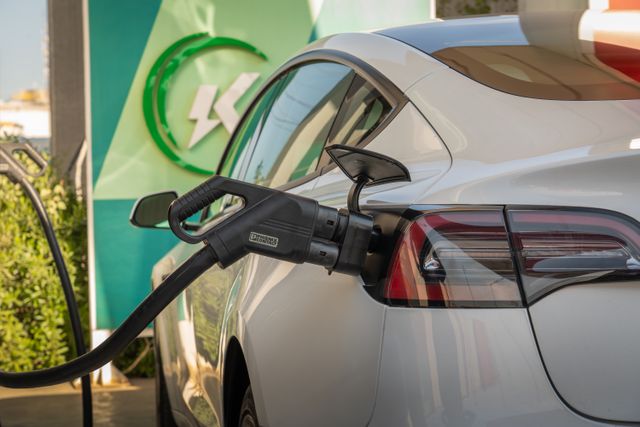
South China Morning Post featured Damien Duhamel, Managing Partner at Eurogroup Consulting, sharing his perspective on how Chinese EV competition could reshape Malaysia's automotive industry and the wider regional market.
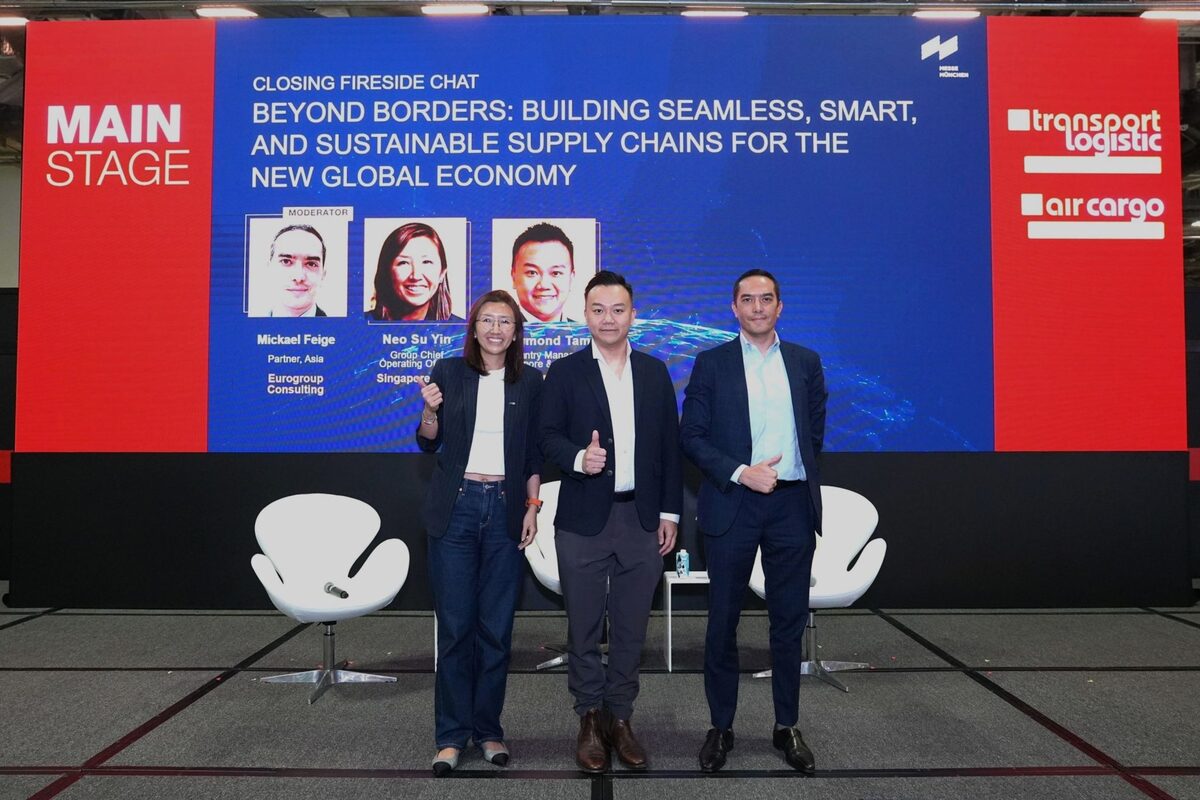
At Transport Logistic Southeast Asia 2025, Mickael Feige, Partner at Eurogroup Consulting, moderated a fireside chat on building seamless, smart and sustainable supply chains for the new global economy.

Damien Duhamel shared his perspective with Business Insider on the factors shaping innovation across Asia's leading cities, from human talent and technology to governance and global integration.

Thailand’s ageing transition is creating a real but selective senior living opportunity. The paper examines investable demand, scalable business models and the constraints still limiting market growth.

Southeast Asia is emerging as a key advanced manufacturing hub. The white paper examines the capabilities, technologies and opportunities reshaping the region’s industrial landscape.

Southeast Asia’s cities are transforming through rapid urbanisation and sustainability. It explores the trends shaping greener, more resilient and inclusive urban development.

ASEAN’s consumer landscape is evolving with rising incomes, digitalisation and changing expectations. The report highlights the trends reshaping how businesses engage and grow across the region.
Singaporean urban agriculture startup — initial funding SGD 2 million
VIEW DETAILHIDE DETAIL →The startup sought to evaluate the viability of establishing a vertical farm within urban Singapore. Limited access to large land parcels and high operational costs posed significant barriers. The client needed a strategic plan to maximize yield efficiency in compact spaces.
We conducted a comprehensive feasibility study, analyzing local demand, environmental impact, and technological requirements. Financial projections and cost-benefit analyses were performed to assess capital expenditure and return on investment. Collaboration with real estate experts helped secure optimal urban locations.
We advised focusing on high-value crops that suit compact vertical setups, with a phased scaling approach. Implementing renewable energy sources and automated irrigation systems was recommended to cut costs. Partnerships with local distributors to enhance market penetration were also suggested.
The client achieved a 30% reduction in projected energy costs within the first year and increased yield efficiency by 20%. Occupied urban space utilization improved by 25%, aligning with sustainability goals. The startup secured additional funding based on the projected feasibility.
Small-scale Singaporean vegetable farm — existing annual yield 5,000 kg
VIEW DETAILHIDE DETAIL →The client aimed to transition from conventional to organic farming to tap into the growing market. Confronted by certification complexities and potential yield reduction, they needed a clear roadmap. Maintaining profitability during the transition was a primary concern.
We devised a step-by-step transition plan, integrating organic farming principles with existing operations. Cost-analysis tools forecasted short-term yield reductions while preserving revenue. Workshops were conducted to train staff on organic farming practices and compliance requirements.
Organic certification should be pursued incrementally alongside conventional production to stabilize income. Diversification into organic pest control methods was advised to safeguard against yield losses. Stakeholder engagement sessions were recommended to align expectations and timelines.
Certification was achieved within 18 months, with organic production supplanting 50% of total output. The farm witnessed a 15% increase in market prices for organic produce. Transitioned methods led to a sustainable 10% annual increase in overall yield.
Mid-sized Singaporean hydroponic company — expanding operations
VIEW DETAILHIDE DETAIL →Faced with stagnant growth, the company sought to enhance operational efficiency through technology adoption. High initial technology integration costs and lack of local expertise were barriers. The objective was to optimize growth cycles and resource use.
An operational audit assessed current workflows and identified technology gaps. We developed a tailored agri-tech implementation roadmap, focusing on automation and precision agriculture tools. On-site workshops facilitated skill development and knowledge transfer to local staff.
Prioritize investment in data analytics and sensor technology to monitor crop conditions in real-time. Adopt a flexible tech integration strategy to mitigate risk and cost. Collaborative R&D initiatives with local institutions were suggested to enhance innovation capacity.
Operational efficiency improved by 35%, with a reduction in resource wastage by 25%. The introduction of sensors and analytics resulted in a 20% faster growth cycle. Return on investment from technology adoption projected to break even within two years.
Trusted by clients for long-term collaboration. Selected organizations our teams have supported globally and across Singapore.






















A market study for sustainable agriculture in Singapore involves demand analysis, consumer behavior assessment, and supply chain evaluation. It includes field interviews with local farmers and distributors, competitor benchmarking, and a regulatory review to ensure compliance with Singapore's agricultural policies, enhancing strategic decision-making.
Conducting a feasibility study before entering Singapore’s sustainable agriculture market helps assess potential challenges and opportunities. It involves financial projections, risk assessment, and resource availability analysis. The study ensures alignment with government regulations and evaluates the market’s growth potential, enabling informed business decisions.
Assessing market size in Singapore’s agriculture sector involves analyzing current consumption patterns, population trends, and economic indicators. It requires gathering primary and secondary data through surveys and industry reports. Demand forecasting and competitor analysis are also crucial elements to identify market capacity and expansion possibilities.
A competitive analysis in Singapore’s sustainable agriculture consulting includes identifying key market players and their market share, analyzing product offerings, and pricing strategies. It involves assessing competitors' strengths and weaknesses through benchmarking, understanding their technological advancements, and evaluating their customer engagement practices.
Conducting a benchmark study in sustainable agriculture involves comparing business practices and performance metrics against industry standards in Singapore. This includes evaluating sustainability practices, resource management efficiency, and operational costs. Data is collected through surveys, industry reports, and meetings with key stakeholders to identify areas for improvement.
600 N Bridge Rd, #13-06, Singapore 188778