Deep Cultural Understanding
We help you connect with Philippines's diverse cultures by navigating local habits, values, and unspoken norms. This ensures your strategy aligns with local expectations, building trust and fostering sustainable results.


With decades of experience, our firm excels in Utilities Consulting in the Philippines, guiding clients to thrive in the country’s competitive utilities sector. Through a wide range of services and hands-on support, we leverage our global reach to provide tailored solutions that drive growth.
The utilities subsector in the Philippines—comprising electricity, steam, water supply, and waste management—made up around 3.4 percent of the country’s GDP in 2024, up from approximately 3.1 percent in 2019, reflecting gradual expansion in its economic share. The per capita electricity consumption also rose from about 787 kWh in 2016 to around 828 kWh in 2023, indicating moderate increase in utility usage.
In the first quarter of 2026, the utilities sector posted modest growth: electricity saw a 0.5 percent year-on-year increase while water supply grew by about 3.1 percent, bringing the combined electricity, steam, water, and waste management category to a 0.7 percent expansion—down from 2.7 percent in the same period a year earlier.
Quarterly data shows that GDP from utilities amounted to approximately ₱171.6 billion in Q1 2026, a decrease from ₱178.0 billion in Q4 2025, suggesting a slight contraction in the sector’s output. The GDP growth rate for utilities was around 2.8 to 3.0 percent year-on-year as of March 2026.
The Philippines' utilities subsector's GDP contribution increased to
Source: Philippine Statistics Authority
In the dynamic Philippines utilities landscape, sectors such as electricity, water, gas, renewables, and waste management are experiencing transformative shifts. Telecommunications, smart grids, nuclear, biomass, geothermal, and hydropower are also increasingly vital. By understanding these complexities, we offer specialized Utilities Consulting tailored to each sector's unique demands, ensuring clients align with market shifts.
Current trends like digital transformation, sustainable energy initiatives, and infrastructure modernization are redefining the utilities industry in the Philippines. As sectors including energy efficiency, carbon markets, desalination, hydrogen, and electric vehicles evolve, our firm remains at the forefront. Our strategic approach helps navigate these changes effectively, fostering sustainable growth.
Utility providers face challenges in embracing technological advancements and regulatory changes. Our Philippines Utilities Consulting leverages deep expertise in energy trading, automation, water treatment, smart city development, and microgrid solutions. We optimize operation efficiencies, support compliance, and drive innovation, enabling leaders to achieve long-term objectives and competitive advantage.
We help you connect with Philippines's diverse cultures by navigating local habits, values, and unspoken norms. This ensures your strategy aligns with local expectations, building trust and fostering sustainable results.
Our actionable intelligence, powered by real-time market monitoring and insights from your ecosystem, enables you to make informed decisions, seize emerging opportunities, and mitigate risks in Philippines's dynamic markets.
Through direct engagement with key stakeholders, we provide you with nuanced perspectives that reveal the “why” behind market behaviors, helping you design tailored solutions that drive meaningful results.
Validate opportunities, manage risk, and allocate capital with greater confidence through current market evidence and practical strategic advice.
Our company has successfully supported various Utilities projects by providing market research, competitive analysis, and strategic guidance to help businesses succeed.
We offers comprehensive Utilities market research, delivering valuable insights and actionable recommendations in Philippines to enable businesses to make well-informed decisions and achieve long-term success in the industry.
We offers comprehensive Utilities Strategic Planning services in Philippines, providing tailored frameworks and actionable strategies to help businesses achieve their goals and sustain growth in a competitive environment.
We delivers expert Utilities Market Entry Strategy solutions in Philippines, offering valuable insights and effective approaches that empower businesses to successfully penetrate new markets and secure a competitive edge.
We provides in-depth Utilities Merger and Acquisitions advisory in Philippines, guiding businesses with expert recommendations to navigate complex transactions, unlock synergies, and maximize shareholder value.
We specializes in Utilities Value Chain Analysis in Philippines, delivering actionable insights that optimize operational efficiency, enhance profitability, and drive strategic decision-making for businesses across industries.
We offers thorough Utilities Competitive Benchmarking services in Philippines, helping businesses identify key performance gaps, uncover market opportunities, and build stronger competitive strategies.
We delivers expert Utilities Distribution and Strategic Partnership solutions in Philippines, enabling businesses to establish effective networks, foster collaborative relationships, and achieve long-term market success.
We provides advanced Utilities Consumer Behavior Analysis services in Philippines, offering actionable insights into consumer preferences and trends to help businesses refine their strategies and enhance customer satisfaction.
Establish industry dominance with our experts and partners




South China Morning Post featured Damien Duhamel, Managing Partner at Eurogroup Consulting, sharing his perspective on how Chinese EV competition could reshape Malaysia's automotive industry and the wider regional market.
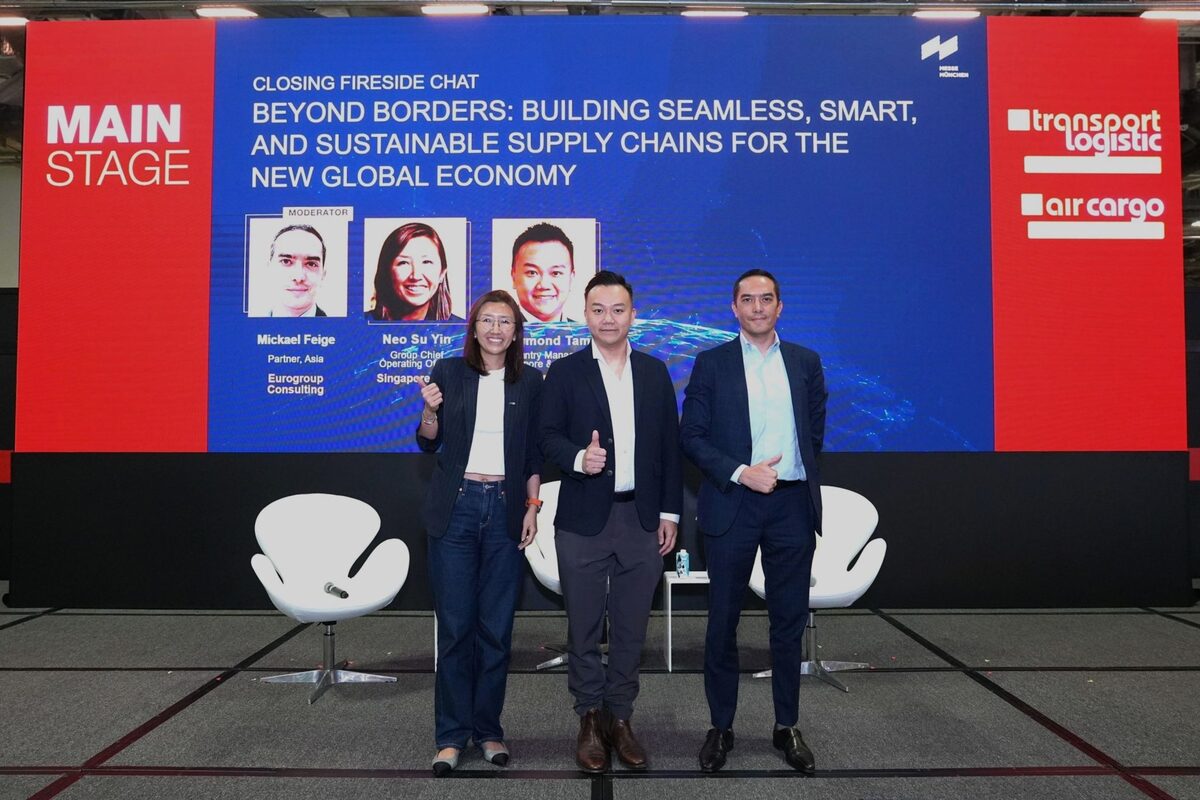
At Transport Logistic Southeast Asia 2025, Mickael Feige, Partner at Eurogroup Consulting, moderated a fireside chat on building seamless, smart and sustainable supply chains for the new global economy.

Damien Duhamel shared his perspective with Business Insider on the factors shaping innovation across Asia's leading cities, from human talent and technology to governance and global integration.

Thailand’s ageing transition is creating a real but selective senior living opportunity. The paper examines investable demand, scalable business models and the constraints still limiting market growth.

Southeast Asia is emerging as a key advanced manufacturing hub. The white paper examines the capabilities, technologies and opportunities reshaping the region’s industrial landscape.

Southeast Asia’s cities are transforming through rapid urbanisation and sustainability. It explores the trends shaping greener, more resilient and inclusive urban development.

ASEAN’s consumer landscape is evolving with rising incomes, digitalisation and changing expectations. The report highlights the trends reshaping how businesses engage and grow across the region.
Philippine water utility — servicing 5 million customers
VIEW DETAILHIDE DETAIL →The client faced inefficiencies in their water treatment operations, leading to increased operational costs and energy consumption. Aging infrastructure and outdated processes further compounded the issue. Effective solutions were needed to optimize resource allocation and reduce waste.
Our team conducted a thorough operational audit, identifying key areas of waste and inefficiency. We implemented advanced process control systems and modernized key infrastructure components. Training programs were established to enhance staff capability in managing new technologies.
We advised implementing continuous monitoring systems for real-time data analysis and process adjustments. Capital investment in infrastructure upgrades was recommended to extend asset lifespan. Process automation was proposed to streamline operations and reduce human error.
Operational costs decreased by 20% over two years, and energy consumption was reduced by 15%. Water treatment efficiency improved, allowing for a 10% increase in service capacity. Customer satisfaction ratings saw a measurable increase as a result of improved service reliability.
Philippine national utility company — portfolio of over 10,000 MW
VIEW DETAILHIDE DETAIL →The utility provider sought to integrate renewable energy sources into the grid to comply with new regulations and reduce carbon emissions. Existing infrastructure was primarily reliant on fossil fuels, posing a significant challenge. Strategic planning was essential to meet regulatory deadlines without disrupting service.
We performed a comprehensive grid capacity analysis to assess renewable energy integration potential. Developed a phased strategy for solar and wind resource adoption. Collaboration with technology vendors facilitated the implementation of smart grid management systems.
A gradual integration of renewable sources was recommended to manage grid stability effectively. Investing in smart grid technologies was essential to optimize energy distribution. Partnerships with local renewable energy suppliers were suggested to support long-term goals.
Renewable energy contribution increased by 25% over three years, aligning with regulatory benchmarks. Carbon emissions were reduced by approximately 18%, demonstrating environmental commitment. Grid stability was maintained, with no significant disruptions reported during the transition.
Philippine electric cooperative — serving 1.5 million users
VIEW DETAILHIDE DETAIL →The cooperative faced challenges in handling customer service inquiries efficiently, leading to high wait times and dissatisfaction. Legacy systems and processes hindered effective case management. Enhancements were urgently needed to improve service quality and customer relationships.
We evaluated existing customer service workflows and identified bottlenecks in the process. Implemented a centralized customer relationship management (CRM) platform to streamline operations. Staff training sessions were conducted to familiarize personnel with new system capabilities.
Adopting cloud-based solutions was recommended to ensure scalability and flexibility in service delivery. We suggested establishing a dedicated team for continuous process improvements. Regular customer feedback loops were advised to refine service offerings continually.
Customer service response times decreased by 40% within the first year. Customer satisfaction levels improved significantly, reflected in a 30% reduction in complaints. The cooperative observed enhanced efficiency, freeing up resources for further service enhancements.
Trusted by clients for long-term collaboration. Selected organizations our teams have supported globally and across Philippines.













A market study for utilities in the Philippines includes demand analysis, customer segmentation, regulatory review, and trend analysis. This comprehensive approach helps identify growth opportunities and potential challenges in the sector, providing a clear picture of the market dynamics and consumer behavior.
Conducting a feasibility study assesses economic viability and technical requirements of a utility project. It evaluates costs, potential risks, regulatory compliance, and socio-economic impacts, ensuring informed decision-making and resource allocation to optimize project success and sustainability in the Philippines.
Market size in the Philippine utilities sector is determined through data collection, trend analysis, and demand forecasting. This involves analyzing consumer consumption patterns, historical data trends, and potential economic influences, allowing businesses to understand current scale and future growth prospects.
A competitive analysis involves assessing market share, pricing strategies, service offerings, and technological advancements. It utilizes competitor benchmarking and field interviews to evaluate strengths and weaknesses, allowing firms to develop strategies to enhance their competitive positioning in the Philippine market.
A benchmark study involves comparing operational processes, service efficiency, and financial performance against industry leaders. Using metrics analysis and best practice evaluation, companies can identify areas for improvement, optimize resource utilization, and increase operational effectiveness in the Philippines utilities sector.
600 N Bridge Rd, #13-06, Singapore 188778