Deep Cultural Understanding
We help you connect with Philippines's diverse cultures by navigating local habits, values, and unspoken norms. This ensures your strategy aligns with local expectations, building trust and fostering sustainable results.


With a deep understanding of the Philippines' recycling consulting landscape, our firm helps clients navigate and succeed in this competitive sector. We offer a wide range of services backed by decades of experience, providing hands-on support to transform your recycling operations in the Philippines.
Materials recovery within the Philippines’ recycling sector showed revenue per expense ratio of 1.48 in 2022—meaning that for every peso spent, the industry generated PhP 1.48—while waste treatment and disposal lagged at 1.08; overall sector performance improved from 1.19 in 2021 to 1.20 in 2022
Material recovery facilities expanded substantially, reaching 20 458 sites in 2025, a 59.1 percent increase from 12 855 in 2024, while sanitary landfills rose by 9.3 percent to 375; estimated hazardous waste generation totaled 285 410 tonnes in 2025, with oil waste accounting for 30.5 percent
Metro Manila generated about 4.34 million tonnes of solid waste in 2025, with per‑capita daily generation rising from 0.71 kg in 2024 to 0.75 kg, and waste diversion slipping from 52.15 percent to 50.38 percent; recovery efforts still reclaimed approximately 2.26 million tonnes through materials recovery facilities
The expansion of material recovery facilities in the Philippines is expected to increase by
Source: Philippine Statistics Authority
The Philippines recycling landscape is diverse and rapidly evolving, encompassing sectors such as plastics, paper, metals, and electronics. Other crucial areas include textiles, glass, organic waste, and construction materials. Additionally, recycling efforts in automotive parts, rubber, batteries, e-waste, and packaging are gaining traction. However, regulation and technological innovation continue to shape these dynamics.
Current trends in the recycling sector, such as circular economy models and zero waste initiatives, are transforming industry standards. Enhanced public awareness and policy support encourage growth in sustainable packaging and digital recycling solutions. These trends are fostering significant opportunities for development, demanding strategic guidance to navigate emerging challenges.
Our Philippines Recycling Consulting services provide industry-leading expertise to harness these opportunities effectively. By integrating comprehensive strategies tailored to client needs, we drive productivity and sustainability. With deep insight into local regulations and market drivers, our firm empowers clients to achieve optimal operational efficiency and long-term growth.
We help you connect with Philippines's diverse cultures by navigating local habits, values, and unspoken norms. This ensures your strategy aligns with local expectations, building trust and fostering sustainable results.
Our actionable intelligence, powered by real-time market monitoring and insights from your ecosystem, enables you to make informed decisions, seize emerging opportunities, and mitigate risks in Philippines's dynamic markets.
Through direct engagement with key stakeholders, we provide you with nuanced perspectives that reveal the “why” behind market behaviors, helping you design tailored solutions that drive meaningful results.
Validate opportunities, manage risk, and allocate capital with greater confidence through current market evidence and practical strategic advice.
Our company has successfully supported various Recycling projects by providing market research, competitive analysis, and strategic guidance to help businesses succeed.
We offers comprehensive Recycling market research, delivering valuable insights and actionable recommendations in Philippines to enable businesses to make well-informed decisions and achieve long-term success in the industry.
We offers comprehensive Recycling Strategic Planning services in Philippines, providing tailored frameworks and actionable strategies to help businesses achieve their goals and sustain growth in a competitive environment.
We delivers expert Recycling Market Entry Strategy solutions in Philippines, offering valuable insights and effective approaches that empower businesses to successfully penetrate new markets and secure a competitive edge.
We provides in-depth Recycling Merger and Acquisitions advisory in Philippines, guiding businesses with expert recommendations to navigate complex transactions, unlock synergies, and maximize shareholder value.
We specializes in Recycling Value Chain Analysis in Philippines, delivering actionable insights that optimize operational efficiency, enhance profitability, and drive strategic decision-making for businesses across industries.
We offers thorough Recycling Competitive Benchmarking services in Philippines, helping businesses identify key performance gaps, uncover market opportunities, and build stronger competitive strategies.
We delivers expert Recycling Distribution and Strategic Partnership solutions in Philippines, enabling businesses to establish effective networks, foster collaborative relationships, and achieve long-term market success.
We provides advanced Recycling Consumer Behavior Analysis services in Philippines, offering actionable insights into consumer preferences and trends to help businesses refine their strategies and enhance customer satisfaction.
Establish industry dominance with our experts and partners






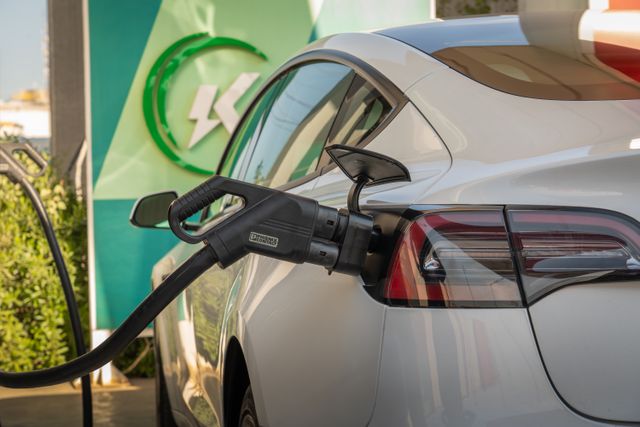
South China Morning Post featured Damien Duhamel, Managing Partner at Eurogroup Consulting, sharing his perspective on how Chinese EV competition could reshape Malaysia's automotive industry and the wider regional market.
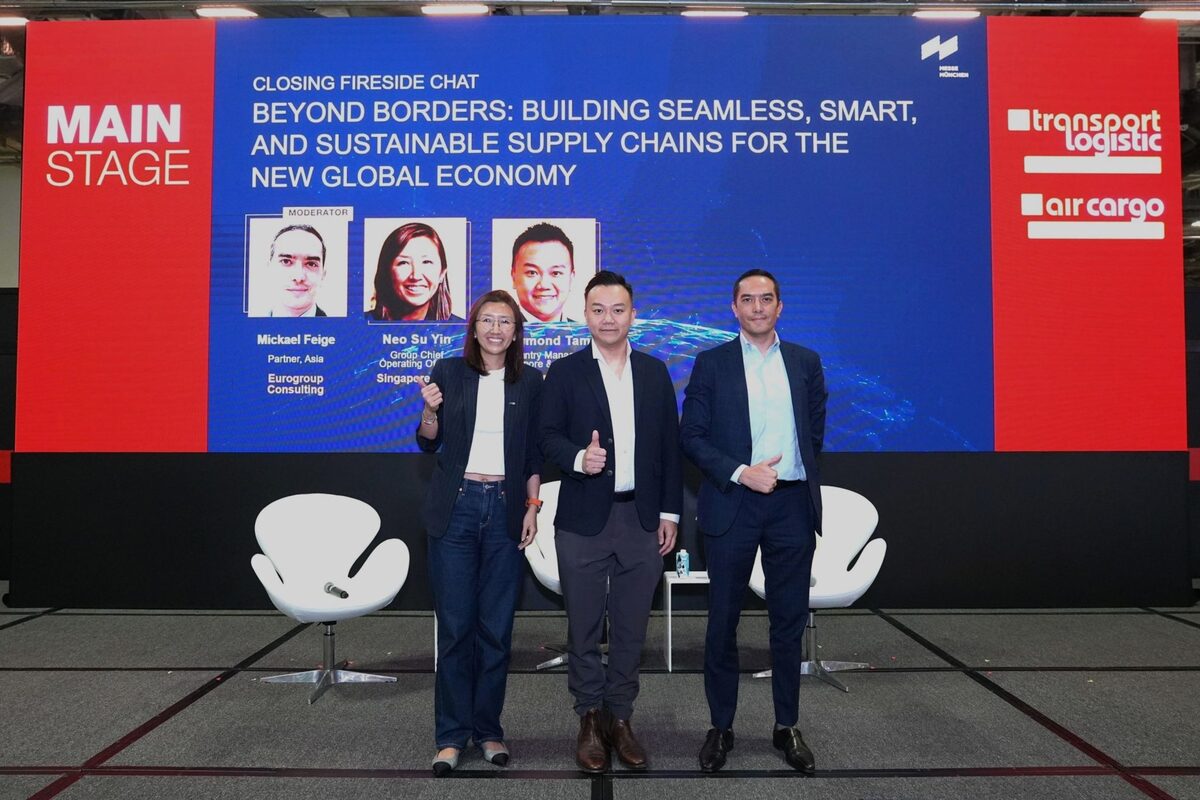
At Transport Logistic Southeast Asia 2025, Mickael Feige, Partner at Eurogroup Consulting, moderated a fireside chat on building seamless, smart and sustainable supply chains for the new global economy.

Damien Duhamel shared his perspective with Business Insider on the factors shaping innovation across Asia's leading cities, from human talent and technology to governance and global integration.

Thailand’s ageing transition is creating a real but selective senior living opportunity. The paper examines investable demand, scalable business models and the constraints still limiting market growth.

Southeast Asia is emerging as a key advanced manufacturing hub. The white paper examines the capabilities, technologies and opportunities reshaping the region’s industrial landscape.

Southeast Asia’s cities are transforming through rapid urbanisation and sustainability. It explores the trends shaping greener, more resilient and inclusive urban development.

ASEAN’s consumer landscape is evolving with rising incomes, digitalisation and changing expectations. The report highlights the trends reshaping how businesses engage and grow across the region.
Regional municipal government — budget exceeding PHP 300 million
VIEW DETAILHIDE DETAIL →The client faced inefficiencies in waste collection and treatment, leading to increased costs and public dissatisfaction. The existing infrastructure was aging, with limited capacity to handle growing waste volumes. A strategic overhaul was needed to achieve sustainability goals.
We conducted a comprehensive assessment of current waste management practices, including site visits and data analysis. Our team developed a phased implementation approach, integrating advanced sorting technology and improved logistics. Strategic partnerships with local recyclers were established to enhance processing capacity.
We advised reducing waste volumes by implementing community-based recycling programs, focusing on education and incentives. Optimizing collection routes using GPS technology was suggested to cut fuel costs and improve timeliness. Upgrading processing facilities was recommended to increase efficiency and output.
Recycling rates improved by 25% within the first year, reducing landfill use by 35%. Operating costs decreased by PHP 40 million annually as a result of increased efficiency and optimized routes. Public satisfaction scores doubled, reflecting the enhanced service quality.
Leading electronics manufacturer — workforce of 5,000 employees
VIEW DETAILHIDE DETAIL →The client needed a comprehensive strategy to transform its waste management into a circular economy model. Current practices resulted in high volumes of electronic waste with minimal recovery of materials. A sustainable approach was essential for regulatory compliance and brand reputation.
We performed a detailed lifecycle analysis of the client's waste streams, identifying key opportunities for material recovery. Enhanced recycling protocols were developed, along with supplier engagement to improve inbound material options. A pilot project was launched to test closed-loop recycling practices.
We recommended scaling the pilot to include all product lines, ensuring material recovery at each stage. Introducing supplier audits was advised to foster a sustainable supply chain. Policy advocacy was also suggested to support industry-wide circular economy initiatives in the Philippines.
Implemented changes led to a 40% increase in recovered materials, achieving significant cost savings in raw materials. Compliance with environmental regulations improved within six months. The client’s sustainability leadership position was acknowledged in industry reports.
National retail chain — over 150 outlets nationwide
VIEW DETAILHIDE DETAIL →The client sought to minimize environmental impact by transitioning to sustainable packaging options. Existing packaging contributed significantly to waste, and consumer demand for greener options was rising. Replacing traditional materials without increasing costs was a primary concern.
We evaluated current packaging materials and suppliers, conducting a cost-benefit analysis of alternative options. Our team designed a pilot program to test biodegradable and recyclable materials in select product lines. Collaboration with suppliers ensured alignment on sustainability goals.
We proposed a gradual transition to compostable packaging across all product categories within a year. Negotiating long-term contracts with eco-friendly suppliers was recommended to secure supply and stabilize costs. Strengthening branding around sustainability efforts was also advised.
The pilot program saw a 20% reduction in packaging waste within the first quarter. Cost neutrality was achieved, aligning with industry standards for environmental responsibility. Customer feedback indicated a 30% improvement in brand perception due to sustainable initiatives.
Trusted by clients for long-term collaboration. Selected organizations our teams have supported globally and across Philippines.




















A market study in recycling consulting for the Philippines includes assessing demand, analyzing waste supply sources, identifying key industry players, and evaluating regulatory requirements. It also involves exploring consumer behavior and potential growth opportunities to provide a comprehensive understanding of the recycling landscape.
Conducting a feasibility study in the Philippine recycling sector is crucial to evaluate economic viability, resource availability, and regulatory compliance. It assesses market potential, infrastructure needs, and potential challenges, ensuring informed decision-making and strategic planning before market entry.
Market size in Philippine recycling is assessed by analyzing waste generation statistics, calculating collection and processing rates, and identifying current service providers. Economic indicators, industry trends, and population data are also considered to provide a quantifiable measure of market potential and capacity.
Competitive analysis in recycling includes identifying key competitors, benchmarking their services, and analyzing their market positioning. It involves reviewing their pricing strategies, service offerings, and customer feedback to gain insights into their strengths and weaknesses, enabling a strategic advantage in the Philippine market.
Regulatory review for recycling in the Philippines involves analyzing national and local environmental laws, waste management policies, and compliance requirements. It includes consulting with legal experts, reviewing government publications, and staying updated with industry standards to ensure adherence to necessary regulations.
600 N Bridge Rd, #13-06, Singapore 188778