Deep Cultural Understanding
We help you connect with Myanmar's diverse cultures by navigating local habits, values, and unspoken norms. This ensures your strategy aligns with local expectations, building trust and fostering sustainable results.


With decades of expertise, our Myanmar Recycling Consulting services empower businesses to excel in Myanmar's recycling sector. We offer a wide range of tailored solutions and hands-on support, ensuring clients navigate this competitive market efficiently, while leveraging our global reach and deep industry insights.
Myanmar’s recycling sector is supported by rising waste generation, with daily municipal waste expected to reach around 21,012 tonnes in 2025—a 65 percent increase since 2018—indicating growing volumes for recycling processes.
The metal recycling segment is valued at approximately USD 259 million in 2025 and is projected to grow at a 4.0 percent compound annual growth rate from 2026 to 2032.
The recycled plastics market is estimated at USD 211 million in 2025, with a forecasted CAGR of 4.8 percent through 2032
Myanmar's daily municipal waste projection for 2025 is
Source: TLAPPf
In Myanmar, the recycling sector is burgeoning with opportunities in waste management, plastic recyclables, electronic waste, and organic recycling. Our expertise covers a wide range of industries including textiles, glass, metals, rubber, paper, packaging, construction debris, batteries, and hazardous waste, ensuring comprehensive support.
Current trends in Myanmar's recycling industry indicate a shift towards sustainable practices and enhanced regulatory frameworks. We offer thorough insights into recycling value chains, eco-innovation, logistics optimization, green financing, and digital transformation, aligning with industry advancements.
By leveraging our deep understanding of Myanmar's unique recycling landscape, we empower clients with tailored solutions to optimize resource efficiency, meet regulatory requirements, and achieve sustainable growth across diverse sectors such as automotive, agriculture, and packaging.
We help you connect with Myanmar's diverse cultures by navigating local habits, values, and unspoken norms. This ensures your strategy aligns with local expectations, building trust and fostering sustainable results.
Our actionable intelligence, powered by real-time market monitoring and insights from your ecosystem, enables you to make informed decisions, seize emerging opportunities, and mitigate risks in Myanmar's dynamic markets.
Through direct engagement with key stakeholders, we provide you with nuanced perspectives that reveal the “why” behind market behaviors, helping you design tailored solutions that drive meaningful results.
Validate opportunities, manage risk, and allocate capital with greater confidence through current market evidence and practical strategic advice.
Our company has successfully supported various Recycling projects by providing market research, competitive analysis, and strategic guidance to help businesses succeed.
We offers comprehensive Recycling market research, delivering valuable insights and actionable recommendations in Myanmar to enable businesses to make well-informed decisions and achieve long-term success in the industry.
We offers comprehensive Recycling Strategic Planning services in Myanmar, providing tailored frameworks and actionable strategies to help businesses achieve their goals and sustain growth in a competitive environment.
We delivers expert Recycling Market Entry Strategy solutions in Myanmar, offering valuable insights and effective approaches that empower businesses to successfully penetrate new markets and secure a competitive edge.
We provides in-depth Recycling Merger and Acquisitions advisory in Myanmar, guiding businesses with expert recommendations to navigate complex transactions, unlock synergies, and maximize shareholder value.
We specializes in Recycling Value Chain Analysis in Myanmar, delivering actionable insights that optimize operational efficiency, enhance profitability, and drive strategic decision-making for businesses across industries.
We offers thorough Recycling Competitive Benchmarking services in Myanmar, helping businesses identify key performance gaps, uncover market opportunities, and build stronger competitive strategies.
We delivers expert Recycling Distribution and Strategic Partnership solutions in Myanmar, enabling businesses to establish effective networks, foster collaborative relationships, and achieve long-term market success.
We provides advanced Recycling Consumer Behavior Analysis services in Myanmar, offering actionable insights into consumer preferences and trends to help businesses refine their strategies and enhance customer satisfaction.
Establish industry dominance with our experts and partners






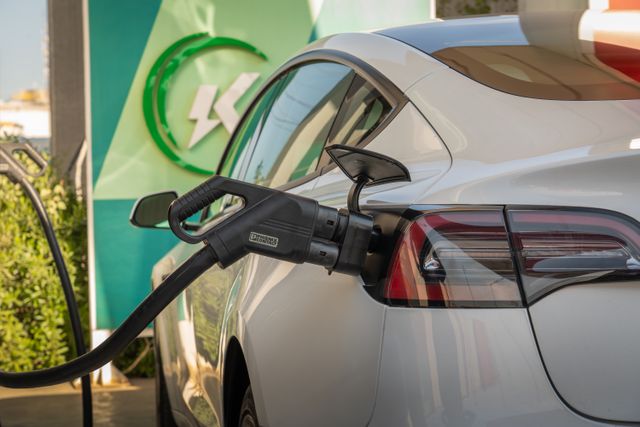
South China Morning Post featured Damien Duhamel, Managing Partner at Eurogroup Consulting, sharing his perspective on how Chinese EV competition could reshape Malaysia's automotive industry and the wider regional market.
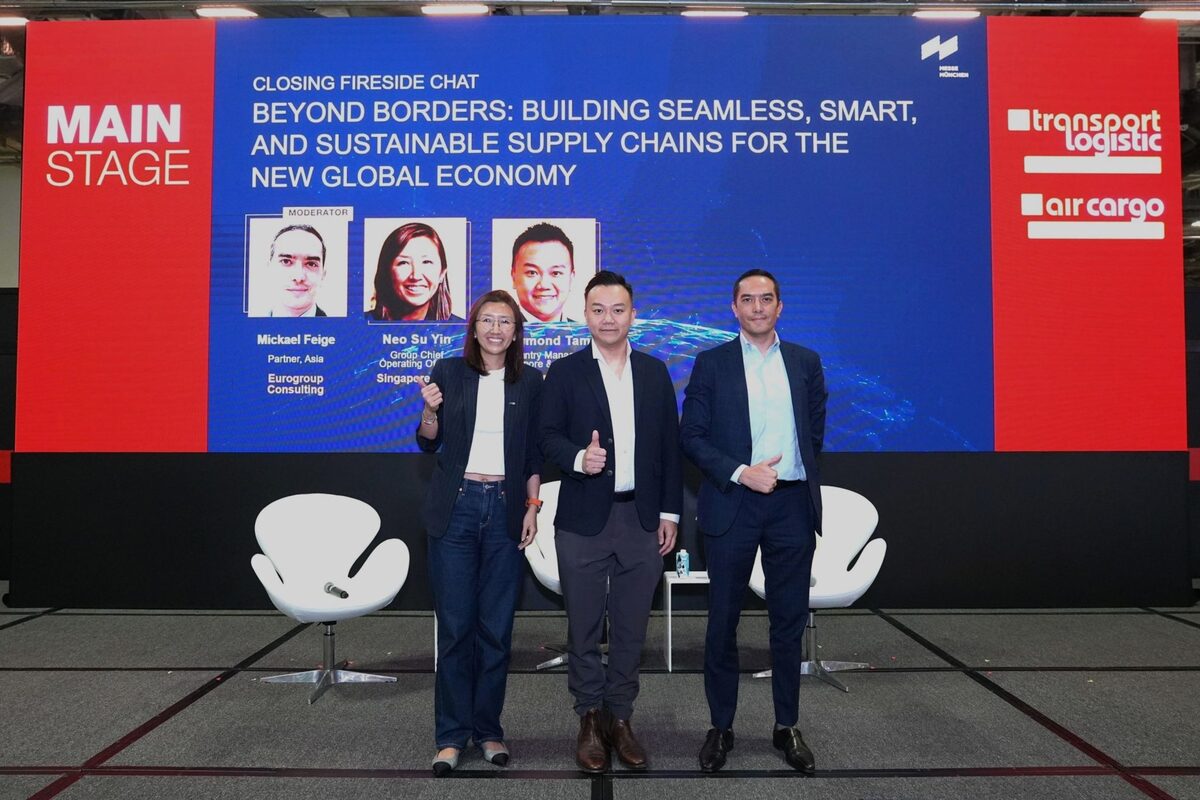
At Transport Logistic Southeast Asia 2025, Mickael Feige, Partner at Eurogroup Consulting, moderated a fireside chat on building seamless, smart and sustainable supply chains for the new global economy.

Damien Duhamel shared his perspective with Business Insider on the factors shaping innovation across Asia's leading cities, from human talent and technology to governance and global integration.

Thailand’s ageing transition is creating a real but selective senior living opportunity. The paper examines investable demand, scalable business models and the constraints still limiting market growth.

Southeast Asia is emerging as a key advanced manufacturing hub. The white paper examines the capabilities, technologies and opportunities reshaping the region’s industrial landscape.

Southeast Asia’s cities are transforming through rapid urbanisation and sustainability. It explores the trends shaping greener, more resilient and inclusive urban development.

ASEAN’s consumer landscape is evolving with rising incomes, digitalisation and changing expectations. The report highlights the trends reshaping how businesses engage and grow across the region.
National waste management enterprise — operational across Myanmar
VIEW DETAILHIDE DETAIL →The client faced inefficiencies in recycling processes that hindered their expansion efforts across Myanmar. They required a comprehensive review to identify bottlenecks and optimize their recycling operations. This was crucial to support the planned expansion and meet regulatory standards.
We conducted a detailed process analysis, including workflow mapping and equipment utilization studies. Our team also integrated technology solutions to enhance tracking and monitoring of waste streams. This intervention provided a foundation for sustainable growth by addressing key operational challenges.
We recommended upgrading sorting technology and implementing employee training programs. Additionally, we advised on partnerships with local waste collectors to streamline the materials recovery process. These strategies aimed to enhance throughput and reduce processing time.
Operational efficiency improved by 30%, cutting processing time by 15%. The client expanded service reach to an additional five regions within a year, contributing to increased market presence.
Municipal waste authority — urban area serving 2 million residents
VIEW DETAILHIDE DETAIL →The client needed to expand its recycling network to meet the growing waste management demands of a rapidly urbanizing population. Inefficiencies existed due to outdated infrastructure and fragmented collection systems. The aim was to modernize their recycling processes to handle increased waste volumes effectively.
Our intervention involved a comprehensive evaluation of current operations and the implementation of a smart collection system. We optimized route planning with data analytics and introduced automated sorting facilities where feasible. This provided the framework for a scalable and responsive waste management network.
Key recommendations included investing in modern recycling facilities and executing a public awareness campaign to encourage community participation. Furthermore, we suggested forming strategic alliances with private recycling firms for effective resource allocation. These measures supported a more resilient and sustainable infrastructure.
Recycling efficiency increased by 40%, leading to a 25% reduction in landfill usage. The municipality achieved its target of servicing 90% of the urban zone within 18 months, marking a significant improvement in environmental impact.
Private recycling firm — operating a network of facilities nationwide
VIEW DETAILHIDE DETAIL →The client sought to modernize their sorting facilities to handle increased waste volumes more efficiently. The existing setup lacked automation, resulting in labor-intensive processes that limited throughput. Upgrading the facilities was necessary to improve operational effectiveness and competitiveness.
We performed a comprehensive technology assessment followed by an implementation of state-of-the-art sorting technologies. This included mechanized sorting lines and advanced sensors for material identification. The goal was to minimize manual handling and optimize sorting accuracy.
We advised on deploying advanced robotic systems for sorting and scaling up facility capacity. Additionally, we recommended process re-engineering to eliminate unnecessary steps and improve workflow. These updates were designed to enhance cost-effectiveness and throughput levels.
Throughput capacity rose by 50%, reducing labor costs by 20%. The modernization effort enabled the client to process an additional 100 tons of recyclables weekly, supporting their growth objectives in the competitive market.
Trusted by clients for long-term collaboration. Selected organizations our teams have supported globally and across Myanmar.

















A market study in Myanmar's recycling sector includes demand analysis, regulatory review, and competitor benchmarking. It assesses market size, growth potential, and environmental policies impacting recycling. Understanding consumer behavior and waste generation trends through field interviews also forms a critical component.
A feasibility study evaluates economic, environmental, and operational factors to determine market viability. It involves cost analysis, regulatory compliance checks, and stakeholder consultations. This study helps identify potential risks and opportunities, ensuring that entry into Myanmar's recycling market is strategically sound.
Market size assessment involves analyzing current and projected waste streams, processing capacity, and recycling rates. This process uses surveys, data collection on waste generation, and reviewing government and private sector reports. Insights from local industry experts and field interviews further refine the estimates.
Conducting a competitive analysis involves identifying key players, evaluating their market share, and assessing service offerings. This includes competitor benchmarking, analyzing pricing strategies, and reviewing marketing tactics. Knowing the competitive landscape allows for identifying gaps and opportunities for differentiation.
A benchmark study in Myanmar's recycling industry compares best practices and performance metrics against industry leaders. This includes analyzing operational efficiencies, technology adoption, and sustainability initiatives. The process helps identify performance gaps and areas for improvement by reviewing successful local and international models.
600 N Bridge Rd, #13-06, Singapore 188778