Deep Cultural Understanding
We help you connect with Myanmar's diverse cultures by navigating local habits, values, and unspoken norms. This ensures your strategy aligns with local expectations, building trust and fostering sustainable results.


With decades of experience, we excel in Myanmar manufacturing consulting, guiding clients to thrive in Myanmar's competitive manufacturing sector. Our hands-on support and global reach offer a wide range of services, tailored to each client's needs, ensuring successful navigation and growth in this dynamic market.
The manufacturing sector in Myanmar accounted for approximately 25.1 percent of GDP in 2025, significantly above the global average of around 12.3 percent, underscoring its relevance to the national economy.
Annual growth in Processing and Manufacturing was recorded at 3.9 percent in the fiscal year ending March 2024, following lower or negative growth in earlier years, indicating gradual improvement in industry output.
Foreign direct investment in Myanmar’s manufacturing sector reached about US $245 million in FY 2025–2026 (April 2025–March 2026), up from US $182.6 million the previous year, reflecting rising investor interest.
The manufacturing sector in Myanmar accounted for
Source: World Bank
The manufacturing landscape in Myanmar is diverse, encompassing sectors such as textiles, food and beverages, electronics, chemicals, and more. These sectors are crucial for economic growth, with textile and garment manufacturing leading the way due to cost-efficiency and skilled labor. Our Myanmar Manufacturing Consulting services tap into this dynamic environment, crafting strategies that enhance competitiveness and efficiency.
Current trends in the Myanmar manufacturing industry reveal a shift towards automation and sustainable practices. With the rise of digital technology adoption in sectors like automotive, pharmaceuticals, and consumer goods, businesses are poised for transformation. Our consulting expertise supports companies in navigating these trends, ensuring they remain at the forefront of innovation and sustainability.
In such a complex environment, sectors like construction materials, renewable energy, and plastics are emerging with potential for growth. Our firm provides tailored consulting solutions, drawing on our deep knowledge of the Myanmar market to deliver insights and strategies that fuel success. We empower decision-makers to drive their businesses forward, capitalizing on emerging opportunities within the manufacturing sector.
We help you connect with Myanmar's diverse cultures by navigating local habits, values, and unspoken norms. This ensures your strategy aligns with local expectations, building trust and fostering sustainable results.
Our actionable intelligence, powered by real-time market monitoring and insights from your ecosystem, enables you to make informed decisions, seize emerging opportunities, and mitigate risks in Myanmar's dynamic markets.
Through direct engagement with key stakeholders, we provide you with nuanced perspectives that reveal the “why” behind market behaviors, helping you design tailored solutions that drive meaningful results.
Validate opportunities, manage risk, and allocate capital with greater confidence through current market evidence and practical strategic advice.
Our company has successfully supported various Manufacturing projects by providing market research, competitive analysis, and strategic guidance to help businesses succeed.
We offers comprehensive Manufacturing market research, delivering valuable insights and actionable recommendations in Myanmar to enable businesses to make well-informed decisions and achieve long-term success in the industry.
We offers comprehensive Manufacturing Strategic Planning services in Myanmar, providing tailored frameworks and actionable strategies to help businesses achieve their goals and sustain growth in a competitive environment.
We delivers expert Manufacturing Market Entry Strategy solutions in Myanmar, offering valuable insights and effective approaches that empower businesses to successfully penetrate new markets and secure a competitive edge.
We provides in-depth Manufacturing Merger and Acquisitions advisory in Myanmar, guiding businesses with expert recommendations to navigate complex transactions, unlock synergies, and maximize shareholder value.
We specializes in Manufacturing Value Chain Analysis in Myanmar, delivering actionable insights that optimize operational efficiency, enhance profitability, and drive strategic decision-making for businesses across industries.
We offers thorough Manufacturing Competitive Benchmarking services in Myanmar, helping businesses identify key performance gaps, uncover market opportunities, and build stronger competitive strategies.
We delivers expert Manufacturing Distribution and Strategic Partnership solutions in Myanmar, enabling businesses to establish effective networks, foster collaborative relationships, and achieve long-term market success.
We provides advanced Manufacturing Consumer Behavior Analysis services in Myanmar, offering actionable insights into consumer preferences and trends to help businesses refine their strategies and enhance customer satisfaction.
Establish industry dominance with our experts and partners







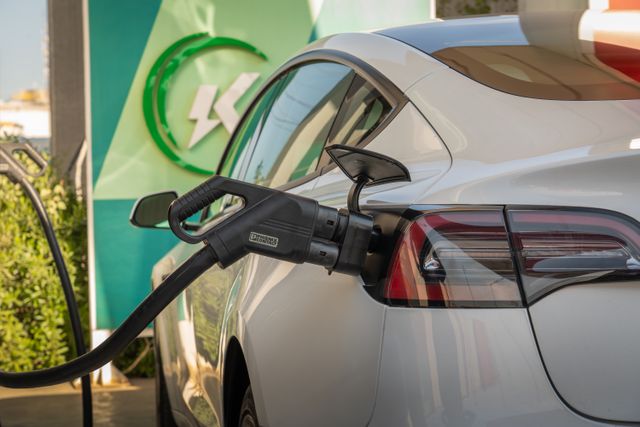
South China Morning Post featured Damien Duhamel, Managing Partner at Eurogroup Consulting, sharing his perspective on how Chinese EV competition could reshape Malaysia's automotive industry and the wider regional market.
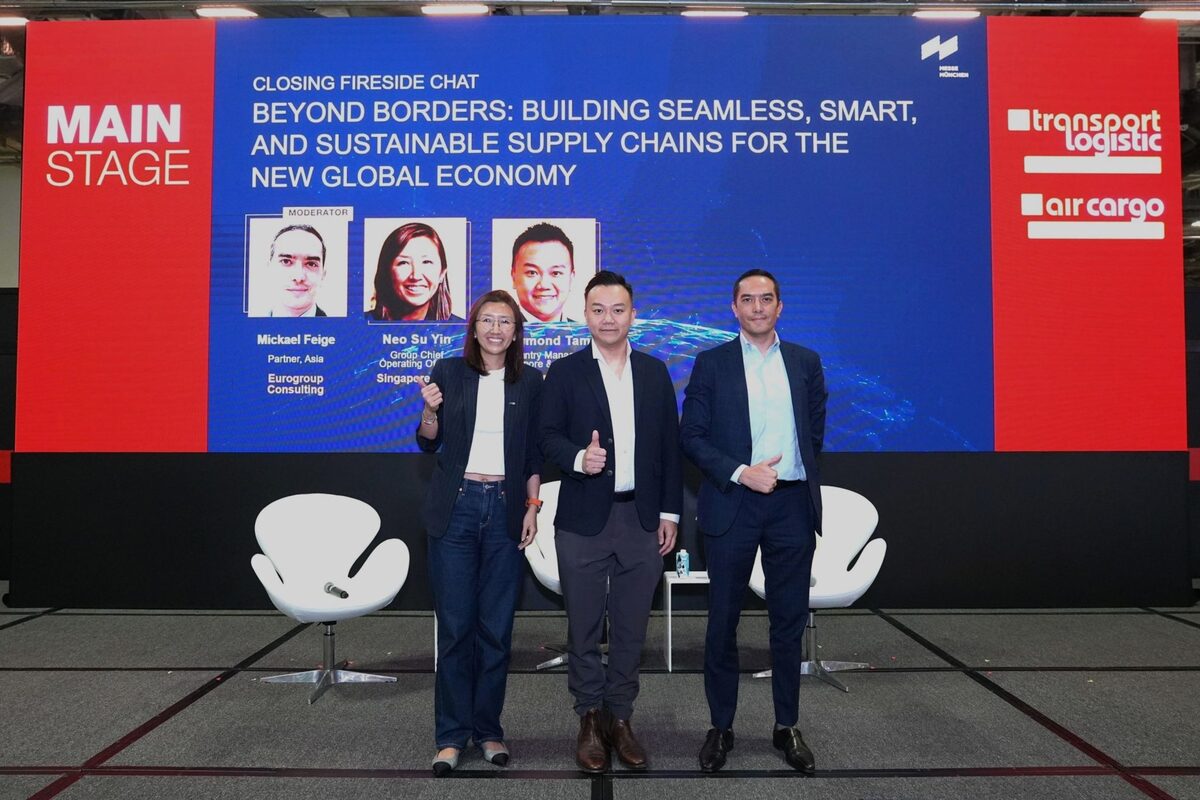
At Transport Logistic Southeast Asia 2025, Mickael Feige, Partner at Eurogroup Consulting, moderated a fireside chat on building seamless, smart and sustainable supply chains for the new global economy.

Damien Duhamel shared his perspective with Business Insider on the factors shaping innovation across Asia's leading cities, from human talent and technology to governance and global integration.

Thailand’s ageing transition is creating a real but selective senior living opportunity. The paper examines investable demand, scalable business models and the constraints still limiting market growth.

Southeast Asia is emerging as a key advanced manufacturing hub. The white paper examines the capabilities, technologies and opportunities reshaping the region’s industrial landscape.

Southeast Asia’s cities are transforming through rapid urbanisation and sustainability. It explores the trends shaping greener, more resilient and inclusive urban development.

ASEAN’s consumer landscape is evolving with rising incomes, digitalisation and changing expectations. The report highlights the trends reshaping how businesses engage and grow across the region.
Leading Myanmar-based manufacturing enterprise — annual output exceeding 200,000 units
VIEW DETAILHIDE DETAIL →The client faced inefficiencies in production processes, leading to increased operational costs and delayed time-to-market. Existing workflows lacked optimization, impacting product quality and customer satisfaction. The goal was to enhance efficiency without compromising output quality.
Our team conducted a comprehensive analysis of current operations, identifying bottlenecks and areas for improvement. We introduced lean manufacturing principles, restructured production workflows, and provided targeted staff training. Continuous monitoring ensured alignment with the new processes.
We recommended implementing Kaizen events, streamlining communication channels, and adopting real-time performance tracking tools. Additionally, focus was placed on cross-departmental collaboration and agile response mechanisms to mitigate production delays.
Efficiency improved by 25% within six months, reducing operational costs by 15%. Product quality improved, leading to a 10% increase in customer satisfaction ratings. The client experienced a significant reduction in lead times, positively affecting market responsiveness.
Mid-sized Myanmar textile manufacturer — supply network spanning Southeast Asia
VIEW DETAILHIDE DETAIL →The client experienced challenges with inventory management and escalating supplier costs, affecting profit margins. Fluctuating raw material availability caused inconsistency in production schedules. The objective was to streamline supply chain processes and reduce costs.
We performed an in-depth assessment of the existing supply chain, identifying key inefficiencies and cost drivers. The team utilized advanced analytics to forecast demand and optimize inventory levels. Supplier negotiation strategies were developed to secure more favorable terms.
We advised on adopting a just-in-time inventory model, enhancing supplier relationships, and leveraging technology for improved demand forecasting. Emphasis was put on strategic sourcing and risk management practices.
Operating costs were trimmed by 12% over the first year, with inventory holding reduced by 18%. Improved supplier agreements resulted in a 5% decrease in material costs. Enhanced supply chain visibility led to more predictable production cycles.
Myanmar electronics manufacturer — multiple production facilities nationwide
VIEW DETAILHIDE DETAIL →The client lacked a standardized quality management system, resulting in product defects and regulatory compliance issues. Variability in production standards led to inconsistent product quality across different sites. Achieving high and consistent quality standards was the primary challenge.
Our approach involved designing a comprehensive quality management framework tailored to the client's operations. We developed standardized procedures, established rigorous quality control checkpoints, and implemented a continuous improvement culture. Staff training sessions were conducted on best practices.
Recommendations included implementing ISO certification pathways, automating quality inspections, and fostering a quality-centric organizational culture. We also suggested setting up cross-functional quality teams for ongoing feedback and innovation.
Defect rates dropped by 30% within one year, with compliance audit pass rates improving by 20%. The company achieved ISO 9001 certification across all facilities within 18 months, enhancing its market reputation and client trust.
Trusted by clients for long-term collaboration. Selected organizations our teams have supported globally and across Myanmar.























A market study in Myanmar's manufacturing sector covers demand analysis, client segmentation, regulatory review, and competitor benchmarking. This process helps identify key market trends, potential client bases, and competitive dynamics, ensuring tailored strategies for market entry or expansion.
A feasibility study assesses the viability of entering Myanmar's manufacturing market by analyzing factors like economic conditions, legal requirements, logistical aspects, and resource availability. This comprehensive analysis helps businesses understand challenges and opportunities, minimizing risks and ensuring informed decision-making.
Market size in Myanmar's manufacturing industry is assessed through data collection, demand forecasting, and analyzing consumption patterns. This involves evaluating historical data, conducting field interviews, and utilizing statistical models to estimate future trends, which aids in investment and planning strategies.
Competitive analysis in Myanmar manufacturing involves competitor benchmarking, market position mapping, and trend analysis. By examining competitors' strengths, weaknesses, and market shares, businesses can uncover opportunities for differentiation and align their strategies to maintain a competitive edge.
Regulatory review in Myanmar manufacturing ensures compliance with local laws and standards. It involves analyzing legal frameworks, assessing environmental regulations, and understanding labor laws. This process helps businesses navigate compliance issues, reduce risks, and align operations with regulatory expectations.
600 N Bridge Rd, #13-06, Singapore 188778