Deep Cultural Understanding
We help you connect with Myanmar's diverse cultures by navigating local habits, values, and unspoken norms. This ensures your strategy aligns with local expectations, building trust and fostering sustainable results.


With deep expertise in Myanmar's energy efficiency sector, our consulting firm offers a strategic edge to help you navigate and thrive in this competitive market. Leveraging decades of global experience, we provide a comprehensive suite of services with a hands-on support approach to drive sustainable growth.
Myanmar’s total primary energy use increased by 8.7% in 2024 compared to the previous year, reflecting a renewed upward trend in energy demand after prior volatility 8.7%. This rise underscores the growing relevance of energy efficiency consulting as businesses and institutions seek to manage accelerating consumption.
The Government targets a 20% cumulative improvement in national energy efficiency by 2030, up from a 2012 baseline, with intermediate goals including 16% by 2025. This implies substantial opportunities for consultancy in energy management, standards implementation, and efficiency auditing 20% by 2030; 16% by 2025.
Final energy consumption is projected to grow from 12.2 Mtoe in 2012 to 21.9 Mtoe by 2030, an annual growth rate of approximately 3.0%, underscoring the need for strategies to improve energy efficiency across sectors such as industry and residential environments 3.0%.
Myanmar's energy use rose by
Source: Statista
In Myanmar, the energy efficiency landscape is crucial due to rapid industrial growth and increasing energy demand. Our Energy Efficiency Consulting offers tailored strategies across sectors like manufacturing, transportation, agriculture, construction, and healthcare. Other sectors include education, hospitality, retail, telecommunications, mining, oil and gas, government, finance, technology, and infrastructure.
Emerging trends in Myanmar's energy efficiency sector focus on renewable integration, smart grid technology, and energy management systems. We provide industry-specific solutions that align with these trends to enhance sustainability and reduce operational costs, ensuring clients are ahead of the curve.
Our consultancy's deep understanding of the local market allows us to deliver unmatched insights and methodologies. By partnering with us, companies in diverse sectors can achieve significant energy savings, contributing to sustainable growth and compliance with international standards. This strategic approach maximizes resource efficiency and supports Myanmar's economic progress.
We help you connect with Myanmar's diverse cultures by navigating local habits, values, and unspoken norms. This ensures your strategy aligns with local expectations, building trust and fostering sustainable results.
Our actionable intelligence, powered by real-time market monitoring and insights from your ecosystem, enables you to make informed decisions, seize emerging opportunities, and mitigate risks in Myanmar's dynamic markets.
Through direct engagement with key stakeholders, we provide you with nuanced perspectives that reveal the “why” behind market behaviors, helping you design tailored solutions that drive meaningful results.
Validate opportunities, manage risk, and allocate capital with greater confidence through current market evidence and practical strategic advice.
Our company has successfully supported various Energy Efficiency projects by providing market research, competitive analysis, and strategic guidance to help businesses succeed.
We offers comprehensive Energy Efficiency market research, delivering valuable insights and actionable recommendations in Myanmar to enable businesses to make well-informed decisions and achieve long-term success in the industry.
We offers comprehensive Energy Efficiency Strategic Planning services in Myanmar, providing tailored frameworks and actionable strategies to help businesses achieve their goals and sustain growth in a competitive environment.
We delivers expert Energy Efficiency Market Entry Strategy solutions in Myanmar, offering valuable insights and effective approaches that empower businesses to successfully penetrate new markets and secure a competitive edge.
We provides in-depth Energy Efficiency Merger and Acquisitions advisory in Myanmar, guiding businesses with expert recommendations to navigate complex transactions, unlock synergies, and maximize shareholder value.
We specializes in Energy Efficiency Value Chain Analysis in Myanmar, delivering actionable insights that optimize operational efficiency, enhance profitability, and drive strategic decision-making for businesses across industries.
We offers thorough Energy Efficiency Competitive Benchmarking services in Myanmar, helping businesses identify key performance gaps, uncover market opportunities, and build stronger competitive strategies.
We delivers expert Energy Efficiency Distribution and Strategic Partnership solutions in Myanmar, enabling businesses to establish effective networks, foster collaborative relationships, and achieve long-term market success.
We provides advanced Energy Efficiency Consumer Behavior Analysis services in Myanmar, offering actionable insights into consumer preferences and trends to help businesses refine their strategies and enhance customer satisfaction.
Establish industry dominance with our experts and partners







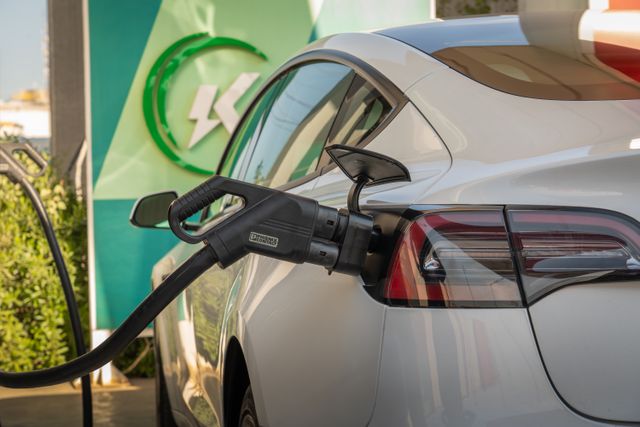
South China Morning Post featured Damien Duhamel, Managing Partner at Eurogroup Consulting, sharing his perspective on how Chinese EV competition could reshape Malaysia's automotive industry and the wider regional market.
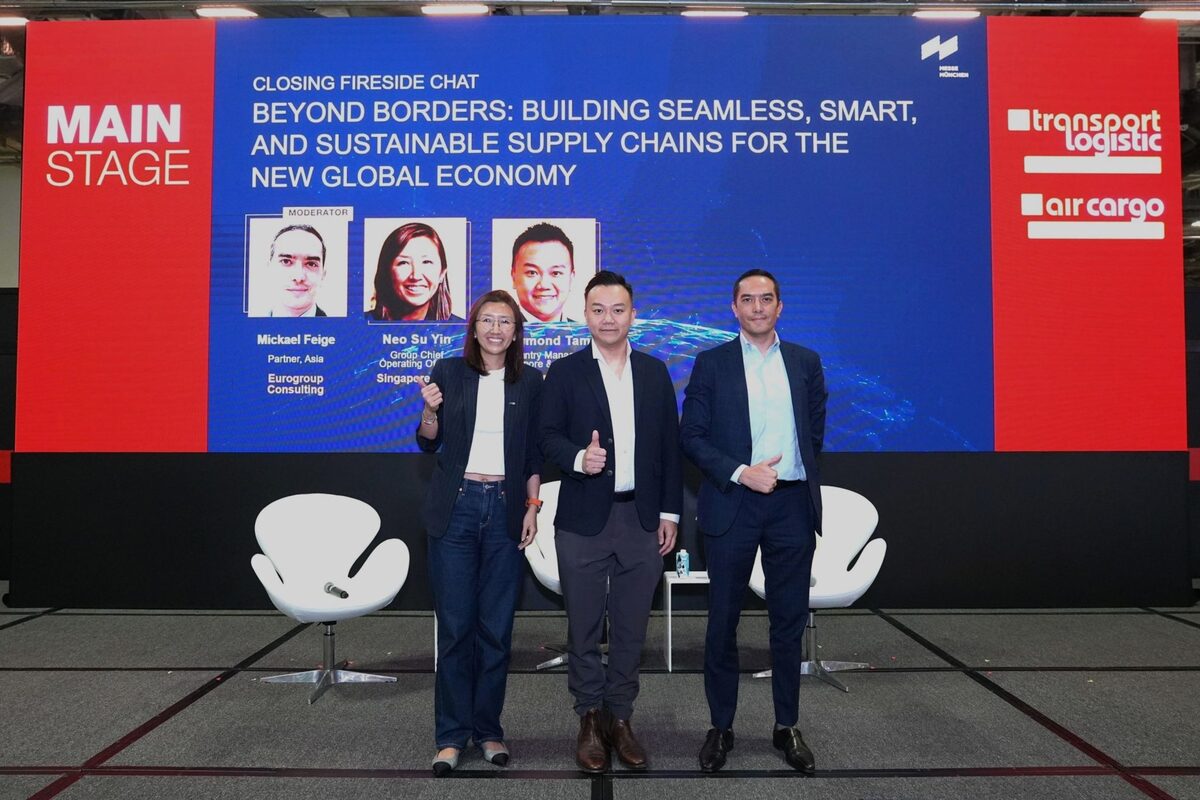
At Transport Logistic Southeast Asia 2025, Mickael Feige, Partner at Eurogroup Consulting, moderated a fireside chat on building seamless, smart and sustainable supply chains for the new global economy.

Damien Duhamel shared his perspective with Business Insider on the factors shaping innovation across Asia's leading cities, from human talent and technology to governance and global integration.

Thailand’s ageing transition is creating a real but selective senior living opportunity. The paper examines investable demand, scalable business models and the constraints still limiting market growth.

Southeast Asia is emerging as a key advanced manufacturing hub. The white paper examines the capabilities, technologies and opportunities reshaping the region’s industrial landscape.

Southeast Asia’s cities are transforming through rapid urbanisation and sustainability. It explores the trends shaping greener, more resilient and inclusive urban development.

ASEAN’s consumer landscape is evolving with rising incomes, digitalisation and changing expectations. The report highlights the trends reshaping how businesses engage and grow across the region.
Large commercial real estate developer — Myanmar portfolio
VIEW DETAILHIDE DETAIL →The client sought to enhance energy efficiency across its property portfolio, aiming to reduce reliance on non-renewable energy sources. Existing infrastructure made it challenging to retrofit with modern energy solutions. They needed a plan that minimized disruption to tenants and operations.
We conducted an energy audit of each facility and identified opportunities for integrating solar technologies. A phased implementation plan was developed to align with the client's operational schedules, utilizing roof and facade spaces effectively. Technical feasibility analyses ensured that the integration would comply with local standards.
Invest in solar panels with high conversion efficiency and integrate them with existing energy management systems. Prioritize facilities with the highest potential energy savings first and develop an internal team for ongoing maintenance and optimization. Secure government incentives to offset initial investment costs.
The client achieved a 25% reduction in energy costs within the first year, amounting to approximately USD 1.2 million in savings. Energy independence increased by 40%, and tenant satisfaction improved due to reduced operational interruptions.
Mid-sized manufacturing group — nationwide sites in Myanmar
VIEW DETAILHIDE DETAIL →The client faced high energy consumption and costs across multiple manufacturing sites. Equipment inefficiencies and lack of standardized energy practices were key barriers. They needed a cohesive energy strategy that aligned with their growth objectives and sustainability goals.
We performed a detailed energy consumption assessment and identified major inefficiency points within the production process. Advanced monitoring devices were installed to provide granular data on energy use across all sites. We facilitated workshops to embed energy-conscious practices among staff.
Upgrade legacy systems with energy-efficient alternatives and establish a continuous monitoring framework. Implement an energy management system to standardize reporting and drive accountability. Strengthen supplier relationships to access the latest energy-saving technologies.
Energy use was reduced by 18% across all facilities, translating to annual cost savings of nearly USD 750,000. Carbon emissions decreased by 15%, supporting the client’s sustainability branding. Productivity saw a related increase of 10% due to streamlined operations.
State-owned industrial zone authority — development spanning 1,000 hectares
VIEW DETAILHIDE DETAIL →A comprehensive assessment of renewable resource potential was needed to guide sustainable development planning. The authority required clarity on the feasibility and cost implications of integrating multiple renewable energy solutions. There was a need for alignment with national energy transition policies.
We conducted site evaluations for solar, wind, and biomass resources, employing GIS mapping and resource modeling. Cost-benefit analyses were performed for each renewable option, considering both upfront investments and long-term returns. Stakeholder consultations ensured policy alignment and local engagement.
Adopt a mixed-resource strategy focusing on solar and biomass, providing the best balance between cost-efficiency and resource availability. Develop a phased implementation timeline that coordinates with infrastructure growth plans. Establish partnerships with private sector innovators for technology transfer.
Projected renewable energy integration of up to 50% within five years, with estimated savings of USD 2 million annually. The strategic plan received national accreditation, paving the way for future funding and investment support. The authority enhanced its leadership position in sustainable development.
Trusted by clients for long-term collaboration. Selected organizations our teams have supported globally and across Myanmar.






















An energy efficiency audit in Myanmar involves assessing current energy usage patterns through on-site evaluations, equipment inspections, and energy bill analysis. The process identifies inefficiencies and recommends improvements like upgrading systems, optimizing operational practices, and adopting new technologies to reduce energy consumption.
Conducting a feasibility study in Myanmar's energy sector helps determine the project's viability by evaluating technical requirements, financial costs, potential environmental impacts, and regulatory compliance. This comprehensive assessment ensures strategic alignment and investment security before project execution, mitigating risks and enhancing decision-making.
Energy consumption benchmarking involves comparing a facility's energy usage against industry standards or similar operations in Myanmar. This process uses metrics such as energy use intensity and cost per unit, obtained through data analysis and peer comparison, to identify areas for improvement and establish targeted energy-saving strategies.
A competitive analysis for energy firms in Myanmar includes evaluating the market landscape by examining competitors' offerings, strengths, weaknesses, and market share. Methods like SWOT analysis, interviews, and data analytics provide insights into competitive positioning, helping firms develop strategies to differentiate and enhance market presence.
Assessing market potential for energy solutions in Myanmar involves demand analysis, customer segmentation, and trend evaluation. This process examines existing and forecasted energy needs, identifies key customer segments, and considers socio-economic and regulatory factors to determine opportunities for innovative energy solutions and market entry strategies.
600 N Bridge Rd, #13-06, Singapore 188778