Deep Cultural Understanding
We help you connect with Myanmar's diverse cultures by navigating local habits, values, and unspoken norms. This ensures your strategy aligns with local expectations, building trust and fostering sustainable results.


With decades of experience, we excel in circular economy consulting in Myanmar, empowering clients to thrive in its competitive sector. Our hands-on support approach and wide range of services, combined with our global reach, enable sustainable growth and innovation in Myanmar's circular economy landscape.
The broader environmental and waste management sector in Myanmar, which encompasses circular economy initiatives, grew modestly amid nationwide economic challenges. Real GDP is estimated to have contracted by 2.0% in fiscal year 2025/26, though a modest recovery to approximately 2% growth is projected for FY2026/27.
Forecasts from the Asian Development Bank indicate Myanmar’s national GDP growth of about 2.4% in 2026, rising slightly to 2.7% in 2027. While not specific to circular economy, these projections suggest that related consulting services may see similarly cautious improvement in coming years.
Inflationary pressure remains a significant constraint, with World Bank data reporting inflation at 24.6% year-on-year in April 2026. Elevated costs for fuel, logistics, and materials are likely to increase operating costs for circular economy consulting efforts, even as overall activity stabilizes.
Inflation in Myanmar reached
Source: World Bank
In Myanmar, the circular economy landscape is transforming industries like agriculture, textiles, construction, and electronics. Our Circular Economy Consulting leverages insights from key sectors such as waste management, recycling, renewable energy, and sustainable agriculture to aid in optimizing resource use and minimizing waste.
Addressing emerging trends in Myanmar’s circular economy, we focus on sustainable practices in sectors like packaging, chemicals, plastics, and logistics. Our expertise in renewable materials, eco-design, and green manufacturing helps clients achieve efficiency and innovation, driving sustainable growth amidst evolving regulations and standards.
Our consultancy provides strategic guidance in sectors like retail, automotive, technology, and food services, ensuring alignment with circular principles. As industries like water management, transportation, and urban planning evolve, our insights facilitate transformation and sustainability, empowering decision-makers to lead responsibly.
We help you connect with Myanmar's diverse cultures by navigating local habits, values, and unspoken norms. This ensures your strategy aligns with local expectations, building trust and fostering sustainable results.
Our actionable intelligence, powered by real-time market monitoring and insights from your ecosystem, enables you to make informed decisions, seize emerging opportunities, and mitigate risks in Myanmar's dynamic markets.
Through direct engagement with key stakeholders, we provide you with nuanced perspectives that reveal the “why” behind market behaviors, helping you design tailored solutions that drive meaningful results.
Validate opportunities, manage risk, and allocate capital with greater confidence through current market evidence and practical strategic advice.
Our company has successfully supported various Circular Economy projects by providing market research, competitive analysis, and strategic guidance to help businesses succeed.
We offers comprehensive Circular Economy market research, delivering valuable insights and actionable recommendations in Myanmar to enable businesses to make well-informed decisions and achieve long-term success in the industry.
We offers comprehensive Circular Economy Strategic Planning services in Myanmar, providing tailored frameworks and actionable strategies to help businesses achieve their goals and sustain growth in a competitive environment.
We delivers expert Circular Economy Market Entry Strategy solutions in Myanmar, offering valuable insights and effective approaches that empower businesses to successfully penetrate new markets and secure a competitive edge.
We provides in-depth Circular Economy Merger and Acquisitions advisory in Myanmar, guiding businesses with expert recommendations to navigate complex transactions, unlock synergies, and maximize shareholder value.
We specializes in Circular Economy Value Chain Analysis in Myanmar, delivering actionable insights that optimize operational efficiency, enhance profitability, and drive strategic decision-making for businesses across industries.
We offers thorough Circular Economy Competitive Benchmarking services in Myanmar, helping businesses identify key performance gaps, uncover market opportunities, and build stronger competitive strategies.
We delivers expert Circular Economy Distribution and Strategic Partnership solutions in Myanmar, enabling businesses to establish effective networks, foster collaborative relationships, and achieve long-term market success.
We provides advanced Circular Economy Consumer Behavior Analysis services in Myanmar, offering actionable insights into consumer preferences and trends to help businesses refine their strategies and enhance customer satisfaction.
Establish industry dominance with our experts and partners







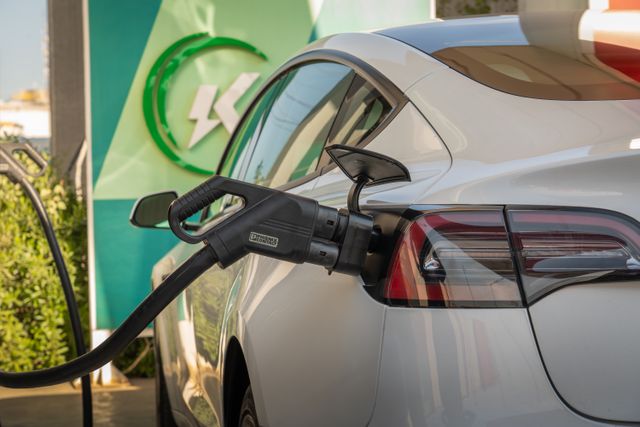
South China Morning Post featured Damien Duhamel, Managing Partner at Eurogroup Consulting, sharing his perspective on how Chinese EV competition could reshape Malaysia's automotive industry and the wider regional market.
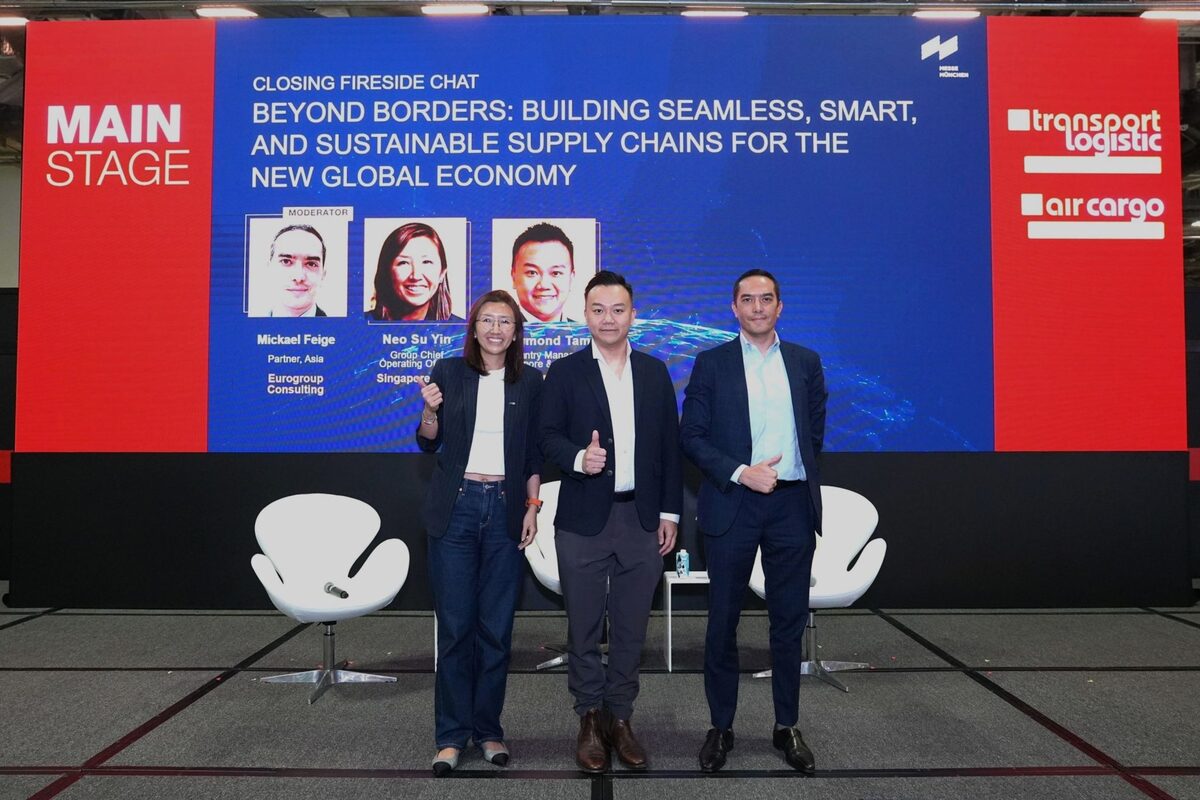
At Transport Logistic Southeast Asia 2025, Mickael Feige, Partner at Eurogroup Consulting, moderated a fireside chat on building seamless, smart and sustainable supply chains for the new global economy.

Damien Duhamel shared his perspective with Business Insider on the factors shaping innovation across Asia's leading cities, from human talent and technology to governance and global integration.

Thailand’s ageing transition is creating a real but selective senior living opportunity. The paper examines investable demand, scalable business models and the constraints still limiting market growth.

Southeast Asia is emerging as a key advanced manufacturing hub. The white paper examines the capabilities, technologies and opportunities reshaping the region’s industrial landscape.

Southeast Asia’s cities are transforming through rapid urbanisation and sustainability. It explores the trends shaping greener, more resilient and inclusive urban development.

ASEAN’s consumer landscape is evolving with rising incomes, digitalisation and changing expectations. The report highlights the trends reshaping how businesses engage and grow across the region.
Municipality in Myanmar — serving 500,000 residents
VIEW DETAILHIDE DETAIL →The municipality faced challenges in modernizing its waste management system to meet circular economy standards. Existing infrastructure was outdated, leading to inefficiencies and increased landfill use. There was a pressing need to integrate sustainable practices into daily operations.
Our intervention began with a comprehensive audit of current waste management processes and infrastructure. We developed a phased implementation plan incorporating advanced recycling technologies and community-engagement programs. Collaboration with local stakeholders was prioritized to ensure sustainable adoption.
We recommended deploying efficient waste sorting systems, promoting waste-to-energy solutions, and enhancing recycling facilities. Our strategy included regular community workshops to raise awareness and increase participation in recycling efforts. Continuous monitoring and evaluation frameworks were advised to measure progress.
Typical outcomes include a 30% reduction in landfill waste within the first year and a 20% increase in recycling rates. The municipality saved 15% in waste management costs annually. These improvements are illustrative of sustainable waste management practices in regional contexts.
Large-scale agricultural cooperative — operations across central Myanmar
VIEW DETAILHIDE DETAIL →The cooperative struggled with over-reliance on chemical fertilizers and unsustainable resource use. This led to soil degradation and declining productivity, impacting economic viability. A transition to renewable agricultural practices was urgent to restore ecosystem balance.
We initiated soil health assessments and resource usage audits to identify key areas for improvement. Our team devised a strategy to integrate organic fertilizers and water-conservation techniques. Training programs and workshops were conducted to equip farmers with sustainable farming practices.
Implementation of crop rotation plans and organic pest management were strongly advised. Investment in sustainable irrigation technologies was recommended to optimize water consumption. Establishing partnerships with local eco-friendly suppliers was encouraged to support the transition.
Illustratively, initiatives led to a 25% increase in soil fertility index and a 15% improvement in crop yield within two years. Water usage dropped by 20%, exemplifying the positive impact of adopting sustainable practices in Myanmar's agricultural sector.
Myanmar consumer goods manufacturer — annual production over 10 million units
VIEW DETAILHIDE DETAIL →The manufacturer faced increasing regulatory pressures to minimize its environmental footprint. Conventional packaging materials contributed significantly to waste, impacting brand reputation and compliance with emerging standards. An overhaul to sustainable alternatives was essential.
We conducted a lifecycle analysis to identify the most impactful packaging components and areas for reuse or recycling. Innovative biodegradable materials were sourced and tested in collaboration with supply chain partners. Pilot programs were rolled out to assess feasibility and implementation challenges.
Transitioning to fully biodegradable packaging solutions was recommended, alongside enhanced supply chain collaboration. Establishing a closed-loop recycling process and fostering consumer engagement were advised to reinforce the brand’s sustainability commitment. Regular reviews and updates to packaging strategies were suggested.
Typical results show a 60% reduction in packaging waste over eighteen months and a 40% enhancement in consumer approval ratings for sustainability efforts. These outcomes reflect potential strides for Myanmar manufacturers in transitioning to circular economy frameworks.
Trusted by clients for long-term collaboration. Selected organizations our teams have supported globally and across Myanmar.



















A market study in Myanmar encompasses demand analysis, consumer behavior trends, and market dynamics related to the circular economy. This includes evaluating local resources, current circular initiatives, regulatory frameworks, and potential market barriers. It helps businesses understand the landscape and identify opportunities for sustainable growth.
Conducting a feasibility study in Myanmar is crucial for assessing the viability of circular economy projects. It involves analyzing resource availability, local stakeholder engagement, regulatory review, and financial projections. This helps in determining project sustainability and aligning strategies with Myanmar's environmental and economic policies.
Market size in the circular economy sector in Myanmar is assessed through data collection on current market demand, resource recovery potential, and consumer adoption rates. Analysts examine local consumption patterns, waste generation statistics, and economic trends to estimate the market size and forecast growth opportunities within the sector.
Competitor benchmarking in Myanmar involves analyzing existing players in the circular economy space, understanding their business models, market positioning, and sustainability practices. This includes evaluating their recycling processes, resource efficiency, and customer engagement strategies to identify strengths, weaknesses, and potential areas for competitive advantage.
A regulatory review in Myanmar involves assessing local laws, policies, and compliance requirements related to circular economy initiatives. This includes examining waste management regulations, environmental standards, and import-export restrictions. Field interviews with regulatory bodies and legal experts help ensure alignment with national objectives and avoid legal pitfalls.
600 N Bridge Rd, #13-06, Singapore 188778