Deep Cultural Understanding
We help you connect with Myanmar's diverse cultures by navigating local habits, values, and unspoken norms. This ensures your strategy aligns with local expectations, building trust and fostering sustainable results.


With a deep understanding of Myanmar’s building automation sector, we provide expert consulting services to help you navigate the country's dynamic market. Our hands-on approach and global perspective ensure tailored solutions, empowering clients to thrive in Myanmar's evolving building automation industry.
Myanmar’s broader economic conditions are exerting influence on the building automation sector. Real GDP contracted by approximately 2.0 percent in fiscal year 2025/26, following a modest recovery in late 2025 and early 2026 amid persistent structural challenges and rising inflation, which reached 24.6 percent year‑on‑year in April 2026. These pressures are constraining demand for automation investments.
The construction sector in Myanmar is showing moderate expansion, with the overall construction market projected to increase by around 8.6 percent annually to reach MMK 8,368.3 billion in 2026. The sector grew at a CAGR of about 3.8 percent between 2021‑2025 and is expected to gain further momentum with a forecasted CAGR of 6.7 percent during 2026‑2030. These trends support growing adoption of building automation solutions.
Within the building automation space, energy management systems are among the fastest‑growing segments. The Myanmar Building Energy Management System (BEMS) market is projected to grow at a compound annual growth rate of about 12.5 percent from 2025 to 2031, reflecting increasing demand for efficient energy use across building types.
The projected CAGR for Myanmar's BEMS market from 2025 to 2031 is
Source: Asian Development Bank
In Myanmar, the building automation landscape is rapidly evolving, with sectors like HVAC control, lighting systems, energy management, and security automation paving the way. Industries such as healthcare, hospitality, retail, and education are embracing these technologies to enhance efficiency and sustainability. Our Myanmar Building Automation Consulting offers strategic insights into these sectors, ensuring implementation aligns with clients' growth objectives.
Trends in the building automation sector in Myanmar include the rise of IoT integration, smart energy solutions, and advanced security systems. Manufacturing, data centers, and residential developments are increasingly adopting automation to streamline operations. By leveraging these trends, our consulting services provide tailored solutions that facilitate seamless integration and optimize performance across various sectors including smart cities and government buildings.
Our expertise in building automation consulting supports clients from diverse sectors like transportation, construction, and public utilities. We focus on delivering reliable and innovative solutions that drive efficiency and reduce costs. Whether it's scalable solutions for large-scale projects or specific enhancements for existing systems, our approach is always data-driven and customer-focused, catering to the unique needs of Myanmar's dynamic market landscape.
We help you connect with Myanmar's diverse cultures by navigating local habits, values, and unspoken norms. This ensures your strategy aligns with local expectations, building trust and fostering sustainable results.
Our actionable intelligence, powered by real-time market monitoring and insights from your ecosystem, enables you to make informed decisions, seize emerging opportunities, and mitigate risks in Myanmar's dynamic markets.
Through direct engagement with key stakeholders, we provide you with nuanced perspectives that reveal the “why” behind market behaviors, helping you design tailored solutions that drive meaningful results.
Validate opportunities, manage risk, and allocate capital with greater confidence through current market evidence and practical strategic advice.
Our company has successfully supported various Building Automation projects by providing market research, competitive analysis, and strategic guidance to help businesses succeed.
We offers comprehensive Building Automation market research, delivering valuable insights and actionable recommendations in Myanmar to enable businesses to make well-informed decisions and achieve long-term success in the industry.
We offers comprehensive Building Automation Strategic Planning services in Myanmar, providing tailored frameworks and actionable strategies to help businesses achieve their goals and sustain growth in a competitive environment.
We delivers expert Building Automation Market Entry Strategy solutions in Myanmar, offering valuable insights and effective approaches that empower businesses to successfully penetrate new markets and secure a competitive edge.
We provides in-depth Building Automation Merger and Acquisitions advisory in Myanmar, guiding businesses with expert recommendations to navigate complex transactions, unlock synergies, and maximize shareholder value.
We specializes in Building Automation Value Chain Analysis in Myanmar, delivering actionable insights that optimize operational efficiency, enhance profitability, and drive strategic decision-making for businesses across industries.
We offers thorough Building Automation Competitive Benchmarking services in Myanmar, helping businesses identify key performance gaps, uncover market opportunities, and build stronger competitive strategies.
We delivers expert Building Automation Distribution and Strategic Partnership solutions in Myanmar, enabling businesses to establish effective networks, foster collaborative relationships, and achieve long-term market success.
We provides advanced Building Automation Consumer Behavior Analysis services in Myanmar, offering actionable insights into consumer preferences and trends to help businesses refine their strategies and enhance customer satisfaction.
Establish industry dominance with our experts and partners








South China Morning Post featured Damien Duhamel, Managing Partner at Eurogroup Consulting, sharing his perspective on how Chinese EV competition could reshape Malaysia's automotive industry and the wider regional market.
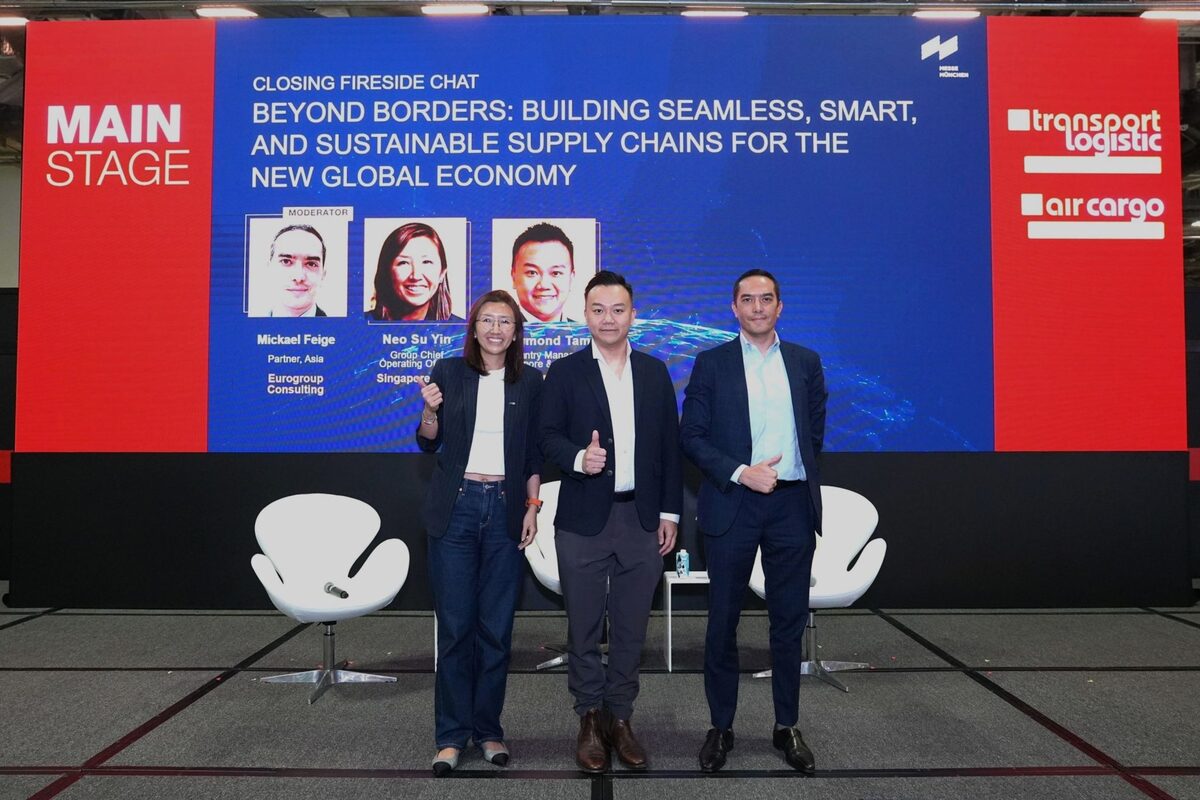
At Transport Logistic Southeast Asia 2025, Mickael Feige, Partner at Eurogroup Consulting, moderated a fireside chat on building seamless, smart and sustainable supply chains for the new global economy.

Damien Duhamel shared his perspective with Business Insider on the factors shaping innovation across Asia's leading cities, from human talent and technology to governance and global integration.

Thailand’s ageing transition is creating a real but selective senior living opportunity. The paper examines investable demand, scalable business models and the constraints still limiting market growth.

Southeast Asia is emerging as a key advanced manufacturing hub. The white paper examines the capabilities, technologies and opportunities reshaping the region’s industrial landscape.

Southeast Asia’s cities are transforming through rapid urbanisation and sustainability. It explores the trends shaping greener, more resilient and inclusive urban development.

ASEAN’s consumer landscape is evolving with rising incomes, digitalisation and changing expectations. The report highlights the trends reshaping how businesses engage and grow across the region.
Large Myanmar property developer — portfolio spanning over 5 million square feet
VIEW DETAILHIDE DETAIL →The client struggled with outdated building systems, causing inefficiencies and high operational costs across their extensive property portfolio. There was an urgent need to modernize their building automation systems to enhance energy management and reduce costs. The client required a strategic plan to implement advanced automation technologies across multiple locations.
Our team conducted a comprehensive audit of existing systems, identifying key areas for improvement and potential technology upgrades. We integrated advanced building management software, ensuring all systems communicated effectively for optimal performance. Continuous monitoring and analytics were implemented to provide actionable insights.
We recommended prioritizing sites with the highest energy expenditure for initial upgrades, coupled with deploying smart sensors for real-time data collection. Enhancing training programs for in-house maintenance staff was also advised to sustain system performance. We outlined a phased implementation strategy to manage costs and minimize disruptions.
Typical results include up to a 30% reduction in energy consumption across renovated sites within one year and operational efficiency gains contributing to cost savings of 25%. Client satisfaction improved with system reliability and responsive maintenance.
Myanmar government agency — managing national energy consumption targets
VIEW DETAILHIDE DETAIL →The agency faced challenges in meeting strict national energy consumption targets due to inefficient building operations. A systematic evaluation was required to identify areas of excessive energy use and devise a plan to align with government goals. Improvements were essential for compliance and long-term sustainability.
We performed detailed energy audits on governmental buildings, utilizing data loggers and advanced analytics to pinpoint inefficiencies. Tailored energy optimization strategies were developed, incorporating updated equipment and technologies to meet regulatory requirements. Workshops were conducted to ensure stakeholder engagement and smooth process adoption.
Key recommendations included upgrading to energy-efficient lighting and HVAC systems, implementing renewable energy sources, and establishing a centralized energy management platform. Regular reporting and reviews were suggested to track progress against targets.
Illustrative outcomes are a reduction in energy costs by approximately 20%, alongside achieving compliance with national standards within a six-month period. These efforts have set a benchmark for future projects and further energy reduction initiatives.
Myanmar multinational corporation — workforce exceeding 10,000 employees
VIEW DETAILHIDE DETAIL →The firm’s headquarters faced operational inefficiencies due to disconnected building systems, impacting employee productivity and facility management. A unified smart building approach was needed to streamline operations and enhance the working environment. The client sought a comprehensive solution that integrated cutting-edge technology with user-friendly interfaces.
Our specialists developed a cohesive smart building strategy, incorporating IoT solutions and cloud-based platforms for seamless connectivity. We standardized systems for enhanced interoperability, ensuring that HVAC, lighting, and security functioned in harmony. An intuitive dashboard was created for real-time monitoring and control.
Key recommendations focused on implementing personalized environmental controls, optimizing space usage through data-driven insights, and enhancing predictive maintenance capabilities with AI technology. We advised a gradual rollout starting with key departments to ensure scalability and adaptability.
Estimated benefits include a 40% improvement in facility management efficiency and a 15% boost in employee productivity within the first year. The approach has laid the groundwork for future innovation and facility improvements.
Trusted by clients for long-term collaboration. Selected organizations our teams have supported globally and across Myanmar.























A market study in building automation in Myanmar includes demand analysis, client segmentation, and regulatory review. It assesses local needs, trends, and legal requirements to help businesses target their offerings effectively and align with market demands.
A feasibility study is crucial as it evaluates the practicalities of entering Myanmar's building automation market by analyzing technical requirements, financial forecasts, local regulations, and competitive landscape. This helps businesses mitigate risks and make informed investment decisions.
Market size for building automation in Myanmar is assessed through a combination of demand forecasts, industry trend analysis, and statistical data review. This provides an overview of potential growth opportunities and helps in strategizing product offerings and expansion plans.
Competitive analysis in Myanmar's building automation industry involves competitor benchmarking, SWOT analysis, and market positioning evaluations. This provides insights into competitors' strengths and weaknesses, enabling the development of effective strategies to gain a competitive advantage.
A regulatory review in Myanmar's building automation market includes examining local building codes, compliance regulations, and industry standards. It ensures that projects meet legal requirements and helps businesses navigate the regulatory landscape efficiently and effectively.
600 N Bridge Rd, #13-06, Singapore 188778