Deep Cultural Understanding
We help you connect with Malaysia's diverse cultures by navigating local habits, values, and unspoken norms. This ensures your strategy aligns with local expectations, building trust and fostering sustainable results.


With decades of experience, our firm excels in Malaysia's energy transition consulting, guiding clients through the competitive landscape with a wide range of services. Our hands-on support and global reach ensure your success in Malaysia's evolving energy sector.
Malaysia’s energy sector remains a significant contributor to the nation’s economy, accounting for roughly 28 percent of GDP and employing about 25 percent of the workforce. The energy transition consulting sphere aligns with this scale, supporting shifts from traditional energy to cleaner solutions across infrastructure, regulation, and finance.
Renewable energy capacity in Malaysia has climbed to nearly 32 percent of the electricity mix as of June 2026, approaching the government’s 35 percent target for 2030. This trend drives demand for consulting in solar, hybrid systems, hydrogen, and low-carbon technologies, reflecting opportunities tied to growing installed capacity and supporting infrastructure.
Under the 1.5 °C scenario of Malaysia’s energy transition pathway, annual employment is projected to rise by around 1.4 percent, translating to approximately 250,000 additional jobs every year by mid‑century. This growth in jobs across renewables, grid development, hydrogen infrastructure, and energy efficiency underpins expanding consulting needs for businesses navigating this evolving landscape.
The energy sector accounts for Malaysia's GDP contribution of
Source: Malaysian Government
The energy transition landscape in Malaysia is evolving rapidly, with sectors like renewables, oil & gas, power generation, sustainable transportation, and energy efficiency leading the charge. Our company excels at navigating these complexities, offering unparalleled insights and strategies tailored to foster growth and innovation.
Key sectors such as solar, wind, hydro, biomass, and geothermal are pivotal in Malaysia's energy transition journey. We also address emerging areas in battery storage, grid modernization, carbon capture, and hydrogen energy. Our expertise empowers clients to stay ahead of industry shifts and capitalize on new opportunities.
Current trends in digitalization, ESG frameworks, and decarbonization are reshaping the energy transition space in Malaysia. Through our consulting services, we help organizations strategically align with these trends to achieve maximum impact and sustainability in their operations.
We help you connect with Malaysia's diverse cultures by navigating local habits, values, and unspoken norms. This ensures your strategy aligns with local expectations, building trust and fostering sustainable results.
Our actionable intelligence, powered by real-time market monitoring and insights from your ecosystem, enables you to make informed decisions, seize emerging opportunities, and mitigate risks in Malaysia's dynamic markets.
Through direct engagement with key stakeholders, we provide you with nuanced perspectives that reveal the “why” behind market behaviors, helping you design tailored solutions that drive meaningful results.
Validate opportunities, manage risk, and allocate capital with greater confidence through current market evidence and practical strategic advice.
Our company has successfully supported various Energy Transition projects by providing market research, competitive analysis, and strategic guidance to help businesses succeed.
We offers comprehensive Energy Transition market research, delivering valuable insights and actionable recommendations in Malaysia to enable businesses to make well-informed decisions and achieve long-term success in the industry.
We offers comprehensive Energy Transition Strategic Planning services in Malaysia, providing tailored frameworks and actionable strategies to help businesses achieve their goals and sustain growth in a competitive environment.
We delivers expert Energy Transition Market Entry Strategy solutions in Malaysia, offering valuable insights and effective approaches that empower businesses to successfully penetrate new markets and secure a competitive edge.
We provides in-depth Energy Transition Merger and Acquisitions advisory in Malaysia, guiding businesses with expert recommendations to navigate complex transactions, unlock synergies, and maximize shareholder value.
We specializes in Energy Transition Value Chain Analysis in Malaysia, delivering actionable insights that optimize operational efficiency, enhance profitability, and drive strategic decision-making for businesses across industries.
We offers thorough Energy Transition Competitive Benchmarking services in Malaysia, helping businesses identify key performance gaps, uncover market opportunities, and build stronger competitive strategies.
We delivers expert Energy Transition Distribution and Strategic Partnership solutions in Malaysia, enabling businesses to establish effective networks, foster collaborative relationships, and achieve long-term market success.
We provides advanced Energy Transition Consumer Behavior Analysis services in Malaysia, offering actionable insights into consumer preferences and trends to help businesses refine their strategies and enhance customer satisfaction.
Establish industry dominance with our experts and partners








South China Morning Post featured Damien Duhamel, Managing Partner at Eurogroup Consulting, sharing his perspective on how Chinese EV competition could reshape Malaysia's automotive industry and the wider regional market.
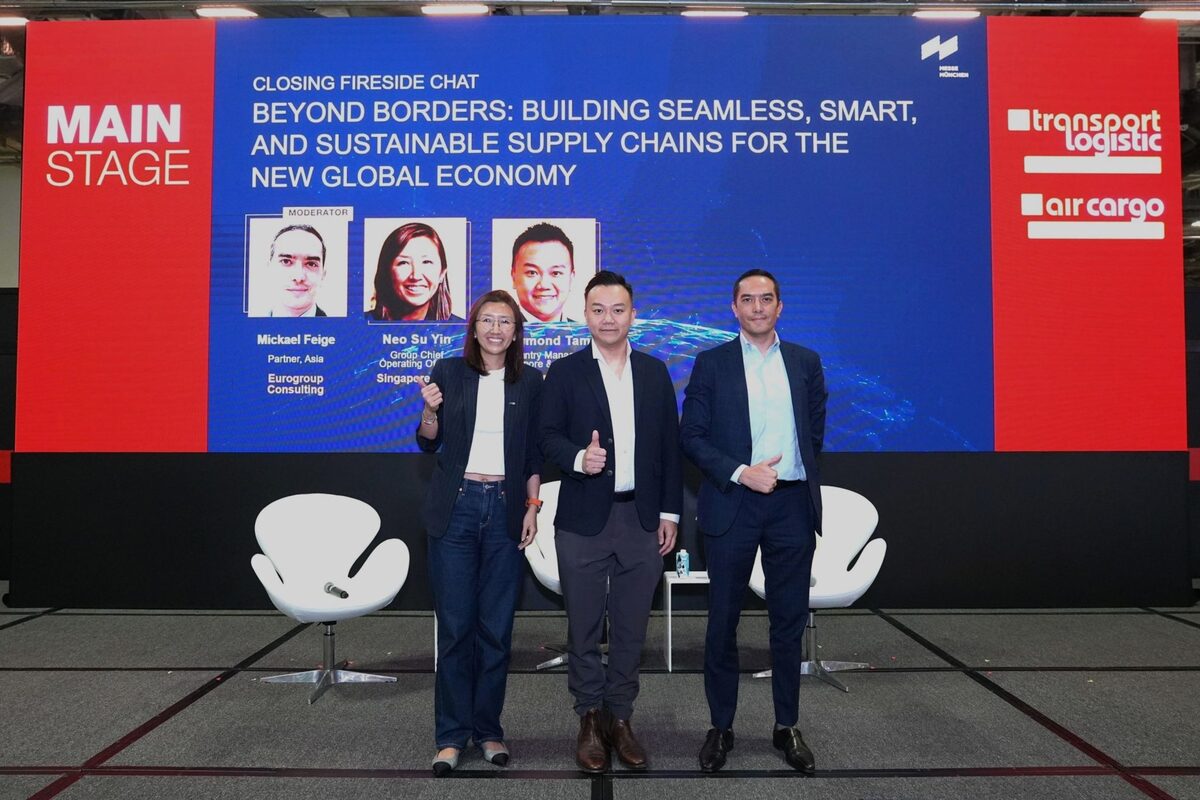
At Transport Logistic Southeast Asia 2025, Mickael Feige, Partner at Eurogroup Consulting, moderated a fireside chat on building seamless, smart and sustainable supply chains for the new global economy.

Damien Duhamel shared his perspective with Business Insider on the factors shaping innovation across Asia's leading cities, from human talent and technology to governance and global integration.

Thailand’s ageing transition is creating a real but selective senior living opportunity. The paper examines investable demand, scalable business models and the constraints still limiting market growth.

Southeast Asia is emerging as a key advanced manufacturing hub. The white paper examines the capabilities, technologies and opportunities reshaping the region’s industrial landscape.

Southeast Asia’s cities are transforming through rapid urbanisation and sustainability. It explores the trends shaping greener, more resilient and inclusive urban development.

ASEAN’s consumer landscape is evolving with rising incomes, digitalisation and changing expectations. The report highlights the trends reshaping how businesses engage and grow across the region.
National utility company — portfolio exceeding MYR 15 billion
VIEW DETAILHIDE DETAIL →The client sought to integrate renewable energy sources into its existing grid infrastructure across multiple regions. This required balancing new investments while ensuring grid stability and compliance with national regulations. A key challenge was coordinating across diverse stakeholder groups, each with specific priorities.
We conducted a comprehensive energy mix analysis and developed a phased implementation plan for renewable integration. Our team facilitated workshops with stakeholders to align objectives and address concerns. We applied advanced modeling to forecast demand and simulate grid impacts under different scenarios.
Our key recommendation was to prioritize solar and wind projects in strategic locations to optimize grid efficiency. We advised implementing advanced grid management systems to enhance responsiveness. Additionally, we suggested forming strategic alliances with tech providers to reduce capital expenditures.
The client achieved a projected increase of 20% in renewable capacity over three years. Grid reliability was improved, with downtime reduced by 12%. The initiative led to enhanced regulatory compliance, facilitating smoother approval processes for future projects.
Regional oil and gas company — assets across Southeast Asia
VIEW DETAILHIDE DETAIL →The company faced pressure to reduce carbon emissions from its offshore operations while maintaining profitability. Challenges included updating legacy systems and adhering to evolving regulatory standards, without disrupting production schedules. Managing operational costs was also a critical concern.
Our consultancy provided a comprehensive assessment of current emissions and identified key areas for improvement. We designed a pathway to decarbonization, including introducing best practices and cutting-edge technology. Training sessions were conducted to ensure workforce readiness for new systems.
We recommended upgrading critical technologies and adopting carbon capture solutions in phases to minimize disruption. Emphasizing sustainable sourcing practices was advised to further emission reductions. Collaborations with environmental agencies were suggested for ongoing compliance and support.
The client's carbon footprint was reduced by an estimated 30% over five years. Operational efficiency saw a 15% boost, helping maintain profit margins. Reduced emissions positioned the company favorably for upcoming environmental regulations, securing future operational licenses.
Manufacturing conglomerate — operations in multiple Malaysian states
VIEW DETAILHIDE DETAIL →The client aimed to enhance energy efficiency within its industrial processing facilities to lower operational costs. They struggled with outdated systems causing excessive energy waste and needed a strategy to modernize without significant downtime. Compliance with stringent regulations was also essential.
We performed a detailed energy audit across facilities to identify inefficiencies and potential areas for savings. A tailored efficiency enhancement plan was developed, focusing on new technology integration and process optimization. Implementation phases were designed to minimize disruption to ongoing operations.
We advised retrofitting existing machinery with energy-efficient alternatives and leveraging automation to optimize processes. Establishing an ongoing monitoring system was recommended to track efficiency gains. Enhanced training for personnel was also suggested to maintain improvements.
Energy costs were projected to decrease by 25% within two years, with a return on investment achieved in less than five years. Facility productivity increased by 10% due to streamlined operations. Compliance with regulatory standards was fully maintained, ensuring uninterrupted production.
Trusted by clients for long-term collaboration. Selected organizations our teams have supported globally and across Malaysia.























A market study in energy transition consulting for Malaysia examines energy supply and demand dynamics, renewable energy capacity, government policies, and technology trends. It involves demand analysis, regulatory review, and competitor benchmarking to provide insights that facilitate informed decision-making and strategic planning.
A feasibility study evaluates the potential success of energy transition projects in Malaysia by assessing market conditions, financial viability, and regulatory compliance. It includes market demand analysis, cost estimation, risk assessment, and stakeholder interviews to reduce uncertainties and guide strategic investments.
Market size assessment involves analyzing the current energy consumption, potential growth in renewable energy adoption, and government incentives. Methods include demand forecasting, segmentation analysis, and trend evaluation to estimate the capacity and opportunities for growth in Malaysia's energy transition landscape.
A competitive analysis in Malaysia's energy transition sector involves examining key players, their market share, and strategies. Techniques such as competitor benchmarking and SWOT analysis are used to identify strengths, weaknesses, strategic positions, and innovation areas that can help in formulating competitive strategies.
Regulatory review in Malaysia includes analyzing legal frameworks, compliance requirements, and policy trends. Methods involve document analysis, stakeholder consultations, and policy impact assessment to ensure project alignment with national objectives, facilitate approvals, and minimize regulatory risks.
600 N Bridge Rd, #13-06, Singapore 188778