Deep Cultural Understanding
We help you connect with Malaysia's diverse cultures by navigating local habits, values, and unspoken norms. This ensures your strategy aligns with local expectations, building trust and fostering sustainable results.


With an extensive presence in Malaysia, we deliver tailored decarbonization consulting solutions to businesses, helping them thrive in the competitive sector. Our hands-on support leverages global insights to guide you through sustainable transformation, enhancing your growth in Malaysia's dynamic environment.
Our overview highlights key macroeconomic indicators shaping Malaysia’s decarbonization consulting landscape. The carbon footprint management market reached US$99.1 million in 2024 and is projected to grow at a 6.7 % CAGR from 2025, reaching US$145.6 million by 2030. The broader environmental consulting sector serves as a close proxy for decarbonization consulting demand in the absence of more specific public data.
Malaysia’s overall economic context supports growth in advisory services. GDP is projected at around US$390 billion in 2025, with annual growth of 4.5–5.5 %, outperforming the ASEAN average. Energy-intensive industries—which are core clients for decarbonization consulting—contribute nearly 30 % of GDP and employ about 25 % of the workforce.
Policy momentum underpins further prospects. The National Energy Transition Roadmap outlines six decarbonization levers—including renewable energy expansion and carbon capture—with an ambition for 70 % renewable energy share in electricity by 2050. Lucintel projects the Malaysian decarbonization market to align with a global CAGR of 11.8 % from 2025 to 2031.
The carbon footprint management market is expected to grow at a
Source: Lucintel
The decarbonization landscape in Malaysia is evolving rapidly, driven by a growing emphasis on sustainability across energy, manufacturing, agriculture, transport, and technology sectors. Our company delivers comprehensive Decarbonization Consulting, aiding clients in navigating these changes effectively.
Industry sectors such as oil & gas, construction, automotive, finance, and retail are actively engaging in decarbonization efforts. With expertise across these areas, we tailor strategies that align with Malaysia's national sustainability objectives, ensuring measurable outcomes.
Current trends show an increased focus on renewable energy adoption, carbon capture, and digital solutions. By leveraging our deep industry insights and technical proficiency, our Decarbonization Consulting facilitates seamless integration of innovative practices, empowering clients to lead in their markets.
We help you connect with Malaysia's diverse cultures by navigating local habits, values, and unspoken norms. This ensures your strategy aligns with local expectations, building trust and fostering sustainable results.
Our actionable intelligence, powered by real-time market monitoring and insights from your ecosystem, enables you to make informed decisions, seize emerging opportunities, and mitigate risks in Malaysia's dynamic markets.
Through direct engagement with key stakeholders, we provide you with nuanced perspectives that reveal the “why” behind market behaviors, helping you design tailored solutions that drive meaningful results.
Validate opportunities, manage risk, and allocate capital with greater confidence through current market evidence and practical strategic advice.
Our company has successfully supported various Decarbonization projects by providing market research, competitive analysis, and strategic guidance to help businesses succeed.
We offers comprehensive Decarbonization market research, delivering valuable insights and actionable recommendations in Malaysia to enable businesses to make well-informed decisions and achieve long-term success in the industry.
We offers comprehensive Decarbonization Strategic Planning services in Malaysia, providing tailored frameworks and actionable strategies to help businesses achieve their goals and sustain growth in a competitive environment.
We delivers expert Decarbonization Market Entry Strategy solutions in Malaysia, offering valuable insights and effective approaches that empower businesses to successfully penetrate new markets and secure a competitive edge.
We provides in-depth Decarbonization Merger and Acquisitions advisory in Malaysia, guiding businesses with expert recommendations to navigate complex transactions, unlock synergies, and maximize shareholder value.
We specializes in Decarbonization Value Chain Analysis in Malaysia, delivering actionable insights that optimize operational efficiency, enhance profitability, and drive strategic decision-making for businesses across industries.
We offers thorough Decarbonization Competitive Benchmarking services in Malaysia, helping businesses identify key performance gaps, uncover market opportunities, and build stronger competitive strategies.
We delivers expert Decarbonization Distribution and Strategic Partnership solutions in Malaysia, enabling businesses to establish effective networks, foster collaborative relationships, and achieve long-term market success.
We provides advanced Decarbonization Consumer Behavior Analysis services in Malaysia, offering actionable insights into consumer preferences and trends to help businesses refine their strategies and enhance customer satisfaction.
Establish industry dominance with our experts and partners







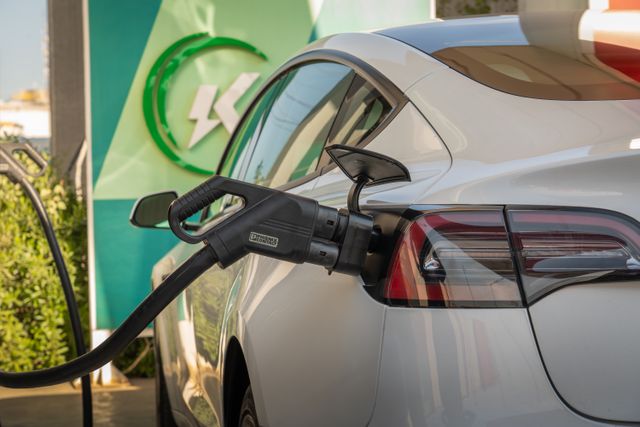
South China Morning Post featured Damien Duhamel, Managing Partner at Eurogroup Consulting, sharing his perspective on how Chinese EV competition could reshape Malaysia's automotive industry and the wider regional market.
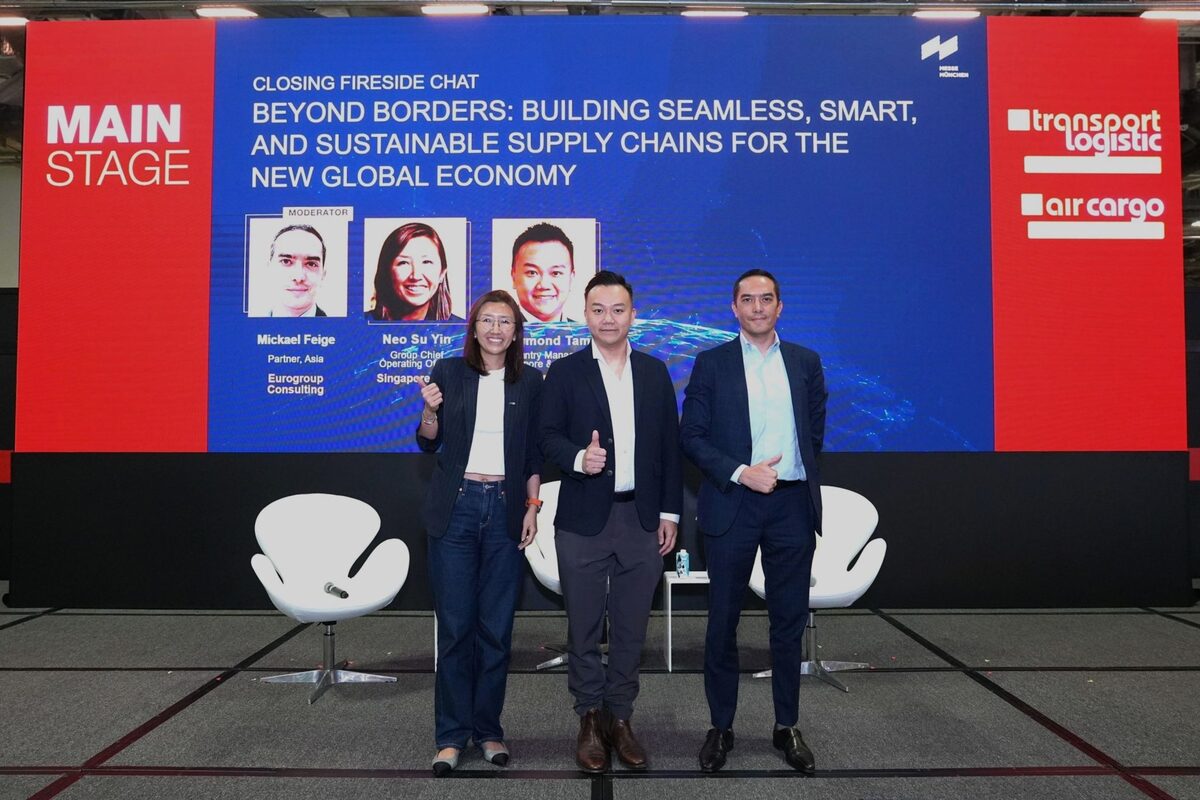
At Transport Logistic Southeast Asia 2025, Mickael Feige, Partner at Eurogroup Consulting, moderated a fireside chat on building seamless, smart and sustainable supply chains for the new global economy.

Damien Duhamel shared his perspective with Business Insider on the factors shaping innovation across Asia's leading cities, from human talent and technology to governance and global integration.

Thailand’s ageing transition is creating a real but selective senior living opportunity. The paper examines investable demand, scalable business models and the constraints still limiting market growth.

Southeast Asia is emerging as a key advanced manufacturing hub. The white paper examines the capabilities, technologies and opportunities reshaping the region’s industrial landscape.

Southeast Asia’s cities are transforming through rapid urbanisation and sustainability. It explores the trends shaping greener, more resilient and inclusive urban development.

ASEAN’s consumer landscape is evolving with rising incomes, digitalisation and changing expectations. The report highlights the trends reshaping how businesses engage and grow across the region.
Major Malaysian energy consortium — portfolio over MYR 10 billion
VIEW DETAILHIDE DETAIL →The client needed to assess their carbon emissions across multiple energy-generation sites to align with national policies targeting carbon neutrality by 2050. Existing records were inconsistent, lacking crucial data from several facilities. Timely alignment was necessary to avoid potential regulatory penalties.
We initiated a comprehensive carbon emissions audit across all sites, integrating advanced data analytics and real-time monitoring technologies. Detailed input from all facility managers was gathered to ensure completeness and accuracy of data. The process was supported by the development of a custom dashboard for ongoing emissions tracking.
We advised implementing automated reporting systems to improve data accuracy and timeliness. Establishing a cross-functional team for continuous data assessment was recommended to enforce compliance and adaptive strategies. Integration of periodic external audits was also proposed to maintain standards.
A projected 15% improvement in reporting accuracy was achieved within the first quarter. Potential penalties avoided were valued at MYR 5 million annually, with ongoing compliance with national decarbonization targets expected. Subsequent evaluations showed increased facility readiness for future audits.
Mid-sized Malaysian municipal authority — budget exceeding MYR 500 million
VIEW DETAILHIDE DETAIL →The municipality faced challenges transitioning to renewable energy due to budget constraints and public opposition. Existing energy infrastructure was outdated, impacting both efficiency and sustainability. The transition needed alignment with national climate action goals by 2030.
Our team conducted an extensive feasibility study, evaluating renewable energy sources viable for local conditions, including solar and biomass. Community engagement sessions were organized to address public concerns and gather feedback. Strategic partnerships with local energy firms were also established to optimize resources.
We suggested phased implementation to manage financial limits effectively, beginning with solar installations on municipal buildings. Educational campaigns were recommended to increase public support and understanding. Developing a clear timeline for gradual technology integration was essential for long-term success.
Energy cost savings reached 20% in the first implementation phase, achieving compliance with climate action goals by 2025. Public approval ratings improved by 30%, facilitating smoother subsequent project phases. Reduction in carbon footprint estimated at 15% per annum.
Leading Malaysian manufacturing firm — annual revenue over MYR 2 billion
VIEW DETAILHIDE DETAIL →The client struggled to make their supply chain sustainable amid rising regulatory pressures and market demands. Supplier compliance varied widely, risking product disruptions and brand reputation. The client required a strategy to consolidate their sustainability efforts across regions.
We mapped the entire supply chain to identify high-impact areas for sustainability improvements, using advanced analytics and stakeholder interviews. Initiatives were tailored to align suppliers with environmental standards without disrupting operations. We facilitated workshops and training seminars to build supplier capacity.
Our strategy included centralizing supply chain oversight with enhanced digital tools for better tracking. We recommended incentives for suppliers meeting or exceeding sustainability targets. Regular training and collaborative forums were advised to ensure ongoing commitment and alignment across the network.
A 25% reduction in supply chain carbon emissions was projected within two years. Operational efficiency increased by 18% due to streamlined processes and enhanced collaboration. Client's market positioning improved, with sustainable sourcing contributing to a 10% rise in brand equity.
Trusted by clients for long-term collaboration. Selected organizations our teams have supported globally and across Malaysia.





















A market study in decarbonization in Malaysia involves analyzing energy consumption patterns, regulatory frameworks, and emerging technologies. It covers demand analysis to gauge market potential and client segmentation to target specific sectors. Additionally, it assesses competitive landscapes and benchmarks against international sustainability trends.
A feasibility study evaluates the viability of decarbonization projects by examining the technical, economic, and regulatory aspects within Malaysia. It includes cost-benefit analysis, resource availability review, and environmental impact assessment, ensuring projects align with the country's energy policies and achieve desired sustainability outcomes.
Market size for decarbonization in Malaysia is assessed by evaluating current energy use and potential shifts to renewable sources. Demand forecasts, client segmentation, and competitor activity analyses are conducted. This includes reviewing infrastructure capacity, investment trends, and policy incentives to determine potential growth areas and investment opportunities.
Competitive analysis in Malaysia’s decarbonization sector involves benchmarking local companies against international best practices. It includes evaluating competitor strategies, technological advancements, and market share. Regulatory landscapes and client preferences are also considered to identify opportunities for differentiation and strategic positioning.
A benchmark study in Malaysia’s decarbonization industry evaluates industry standards and performance metrics. It involves analyzing key performance indicators, competitor positioning, and regulatory compliance. This includes examining operational efficiencies, technology integration, and market trends to establish benchmarks that guide sustainable development goals.
600 N Bridge Rd, #13-06, Singapore 188778