Deep Cultural Understanding
We help you connect with Indonesia's diverse cultures by navigating local habits, values, and unspoken norms. This ensures your strategy aligns with local expectations, building trust and fostering sustainable results.


With deep expertise in Indonesia's food services consulting, we guide clients through the competitive landscape with tailored strategies and hands-on support. Our global reach and decades of experience ensure we deliver insights and solutions that drive growth and success in this vibrant market.
The Indonesia food services sector reached approximately US$29.2 billion in 2024, reflecting an annual growth of 9.6 percent from 2020 to 2024. This sector contributed around US$27.8 billion to national GDP in 2024.
By 2025, the market size is projected near US$62.4 billion, indicating continued expansion with a forecasted compound annual growth rate of 13 percent through 2030. Looking further ahead, projections for 2026 to 2035 suggest the industry could grow at a CAGR of approximately 13.5 percent, reaching a market value of US$73.9 billion in 2026.
In business composition terms, by 2024 Indonesia was home to an estimated 5.28 million food and beverage establishments, with restaurants representing 47.6 percent of those, followed by mobile vendors at 13.7 percent and catering services at 5.6 percent.
The food services sector in Indonesia is projected to grow annually by
Source: Government of Canada
In Indonesia, the food services industry is vibrant, encompassing sectors like restaurants, catering, fast food, beverage production, food logistics, food technology, food safety, supply chain, retail grocery, hospitality, agribusiness, food packaging, organic produce, culinary education, and food exports. The dynamic landscape demands adaptability and innovation to stay competitive.
Emerging trends such as sustainable sourcing, digital innovation, health-conscious dining, and personalized customer experiences are transforming the industry. Our firm excels in delivering strategic food services consulting, helping clients leverage these trends to drive growth.
By utilizing our comprehensive expertise, we provide tailored strategies ensuring operational efficiency and market expansion. Our food services consulting assists businesses in navigating regulatory landscapes, optimizing their operations, and enhancing profitability in Indonesia’s diverse market.
We help you connect with Indonesia's diverse cultures by navigating local habits, values, and unspoken norms. This ensures your strategy aligns with local expectations, building trust and fostering sustainable results.
Our actionable intelligence, powered by real-time market monitoring and insights from your ecosystem, enables you to make informed decisions, seize emerging opportunities, and mitigate risks in Indonesia's dynamic markets.
Through direct engagement with key stakeholders, we provide you with nuanced perspectives that reveal the “why” behind market behaviors, helping you design tailored solutions that drive meaningful results.
Validate opportunities, manage risk, and allocate capital with greater confidence through current market evidence and practical strategic advice.
Our company has successfully supported various Food Services projects by providing market research, competitive analysis, and strategic guidance to help businesses succeed.
We offers comprehensive Food Services market research, delivering valuable insights and actionable recommendations in Indonesia to enable businesses to make well-informed decisions and achieve long-term success in the industry.
We offers comprehensive Food Services Strategic Planning services in Indonesia, providing tailored frameworks and actionable strategies to help businesses achieve their goals and sustain growth in a competitive environment.
We delivers expert Food Services Market Entry Strategy solutions in Indonesia, offering valuable insights and effective approaches that empower businesses to successfully penetrate new markets and secure a competitive edge.
We provides in-depth Food Services Merger and Acquisitions advisory in Indonesia, guiding businesses with expert recommendations to navigate complex transactions, unlock synergies, and maximize shareholder value.
We specializes in Food Services Value Chain Analysis in Indonesia, delivering actionable insights that optimize operational efficiency, enhance profitability, and drive strategic decision-making for businesses across industries.
We offers thorough Food Services Competitive Benchmarking services in Indonesia, helping businesses identify key performance gaps, uncover market opportunities, and build stronger competitive strategies.
We delivers expert Food Services Distribution and Strategic Partnership solutions in Indonesia, enabling businesses to establish effective networks, foster collaborative relationships, and achieve long-term market success.
We provides advanced Food Services Consumer Behavior Analysis services in Indonesia, offering actionable insights into consumer preferences and trends to help businesses refine their strategies and enhance customer satisfaction.
Establish industry dominance with our experts and partners








South China Morning Post featured Damien Duhamel, Managing Partner at Eurogroup Consulting, sharing his perspective on how Chinese EV competition could reshape Malaysia's automotive industry and the wider regional market.
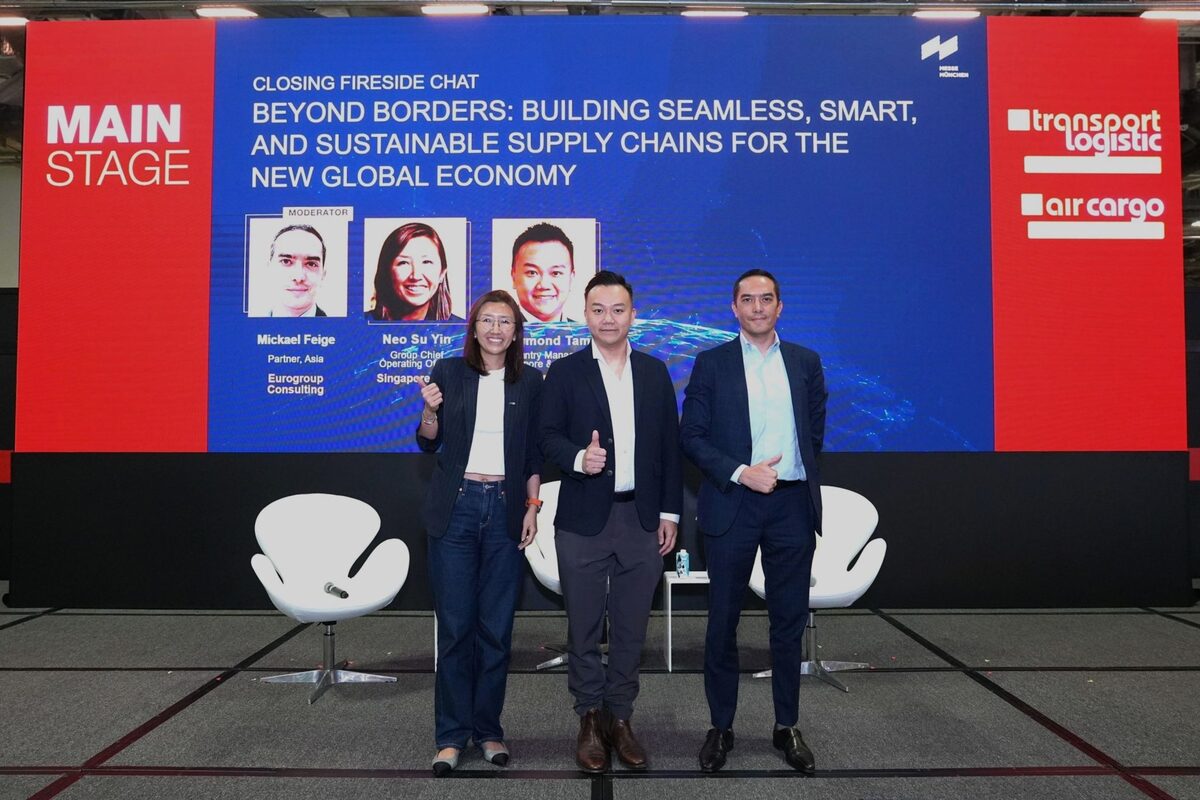
At Transport Logistic Southeast Asia 2025, Mickael Feige, Partner at Eurogroup Consulting, moderated a fireside chat on building seamless, smart and sustainable supply chains for the new global economy.

Damien Duhamel shared his perspective with Business Insider on the factors shaping innovation across Asia's leading cities, from human talent and technology to governance and global integration.

Thailand’s ageing transition is creating a real but selective senior living opportunity. The paper examines investable demand, scalable business models and the constraints still limiting market growth.

Southeast Asia is emerging as a key advanced manufacturing hub. The white paper examines the capabilities, technologies and opportunities reshaping the region’s industrial landscape.

Southeast Asia’s cities are transforming through rapid urbanisation and sustainability. It explores the trends shaping greener, more resilient and inclusive urban development.

ASEAN’s consumer landscape is evolving with rising incomes, digitalisation and changing expectations. The report highlights the trends reshaping how businesses engage and grow across the region.
Emerging quick-service chain — growth strategy in Indonesia
VIEW DETAILHIDE DETAIL →The client aimed to enter the Indonesian market but faced significant regulatory and cultural barriers. They also needed a competitive analysis to differentiate their offerings in a saturated market. Understanding local consumer behaviors was critical for market adaptation.
We conducted a comprehensive market analysis, including competitor benchmarking and consumer preference surveys. We developed a tailored regulatory navigation plan and facilitated initial government liaison. Workshops were held to adapt product offerings to suit Indonesian tastes and preferences.
We suggested focusing on urban centers where the demographic aligns with the client's target audience. Emphasis on local procurement strategies was recommended to enhance brand authenticity. Ongoing engagement with local talent for menu development was advised for long-term viability.
Expansion into three major cities with 40% brand recognition within the first six months. A 20% reduction in start-up costs was achieved through effective local partnerships. The adapted menu led to a 15% increase in customer satisfaction ratings after launch.
Large food distributor — national reach across Indonesia
VIEW DETAILHIDE DETAIL →The client struggled with inefficiencies in their supply chain, causing delays and increased costs. They lacked visibility over their inventory, leading to frequent stockouts or overstock situations. Coordination issues across different regions further exacerbated their challenges.
Our team implemented an end-to-end supply chain visibility tool to improve inventory management. We redesigned distribution routes using advanced logistics software to optimize delivery schedules. Regional workshops were organized to align operational practices across all branches.
Investment in centralized data analytics systems was recommended to enhance predictive inventory management. Strengthening partnerships with reliable local transport providers was advised. Regular cross-functional meetings were suggested to maintain alignment across regional teams.
Delivery times improved by 30% and logistics costs were reduced by 15%, typical for large distributors employing similar strategies. Inventory accuracy improved to 95%, significantly reducing both stockouts and excess stock.
National hotel chain — expanding eco-friendly initiatives in Indonesia
VIEW DETAILHIDE DETAIL →The client wanted to enhance sustainable practices in their catering services but lacked a clear implementation framework. They faced resistance from suppliers reluctant to adopt eco-friendly practices. Existing operational processes also hindered the transition to more sustainable options.
We developed a detailed sustainability framework tailored to the client's operations, focusing on waste reduction and energy efficiency. A supplier engagement program was created to encourage eco-friendly practices. Training sessions were conducted for kitchen and service staff on sustainable practices.
Prioritize partnerships with suppliers able to commit to eco-certifications and sustainable sourcing. Implement energy-efficient appliances to reduce long-term operational costs. Establish clear sustainability metrics to track progress and reinforce accountability within the organization.
A reduction in waste by 25% and energy costs decreased by 10%, reflecting typical outcomes for similar initiatives. Positive client feedback led to enhanced brand perception, contributing to a 12% increase in corporate event bookings.
Trusted by clients for long-term collaboration. Selected organizations our teams have supported globally and across Indonesia.























A market study in Indonesia for food services involves assessing consumer preferences, analyzing demand trends, evaluating supply chain efficiency, and understanding local dining habits. It also includes competitor analysis, pricing strategies, and regulatory compliance. By thoroughly examining these components, businesses gain insights into potential opportunities and challenges.
A feasibility study is essential before entering the Indonesian food services market to determine financial viability, resource adequacy, and market demand. It includes cost analysis, legal requirements, and location assessment, helping to identify risks and ensure that the business model aligns with local conditions and consumer expectations.
Market size in Indonesia's food services sector is assessed by analyzing demographic data, evaluating consumer spending habits, and examining economic indicators. Additional methods include surveying customer preferences and conducting competitor benchmarking. This comprehensive approach helps businesses understand potential market share and growth opportunities.
Competitive analysis in Indonesia involves identifying key players in the food services industry, examining their market strategies, and evaluating their strengths and weaknesses. It includes a review of pricing models, customer feedback, marketing approaches, and the analysis of geographic presence. This helps businesses identify differentiation strategies and competitive advantages.
Benchmarking in Indonesia's food services industry involves comparing business performance against industry standards through the analysis of financial metrics, customer satisfaction scores, and operational efficiency. It often includes field interviews and surveys, enabling companies to adopt best practices and foster continuous improvement.
600 N Bridge Rd, #13-06, Singapore 188778