Deep Cultural Understanding
We help you connect with Indonesia's diverse cultures by navigating local habits, values, and unspoken norms. This ensures your strategy aligns with local expectations, building trust and fostering sustainable results.


With decades of experience, our firm excels in Carbon Footprint Consulting in Indonesia, helping clients navigate the nation's competitive environmental sector. We deliver a wide range of services with a hands-on support approach, enabling sustainable growth in Indonesia and beyond.
Indonesia’s voluntary carbon credit market is forecast to grow from approximately USD 79.0 million in 2025 to USD 881.6 million by 2033, reflecting a compound annual growth rate of 34.3 % during 2026–2033, which highlights expanding demand for carbon footprint consulting linked to credit generation and independent validation services.
The broader environmental consulting sector in Indonesia is projected to expand from USD 200 million in 2024 to USD 320 million by 2030, representing an annual growth rate (CAGR) of approximately 8.2 %, with Environmental Impact Assessment services holding a 35 % market share and Java accounting for 50 % of revenues—indicating strong regional concentration of related consulting demand.
The nascent regulated carbon market in Indonesia achieved total transaction volumes of IDR 37.1 billion (about USD 2.4 million) and traded approximately 613,894 tonnes of CO₂ emissions between its launch in September 2023 and September 2024, signaling early-stage opportunity for carbon footprint consulting tied to cap‑and‑trade and compliance reporting.
Indonesia's voluntary carbon credit market is set to grow annually by
Source: Statista
In Indonesia, the carbon footprint landscape is shaped by sectors including energy, transportation, manufacturing, agriculture, forestry, and waste management. Additionally, shipping, construction, water resources, healthcare, finance, retail, hospitality, education, mining, and ICT contribute significantly. Our firm recognizes the complexities within these sectors, providing strategic consulting to navigate regulations and innovate sustainably.
Recent trends in Indonesia's carbon footprint landscape include a shift towards renewable energy, increased regulatory pressures, and the adoption of green technologies. Industries across transportation, agriculture, and manufacturing are particularly focused on reducing emissions. Our firm offers expert consulting, turning these trends into opportunities for sustainable growth.
Our reliable carbon footprint consulting in Indonesia empowers companies across sectors such as forestry, real estate, and ICT to set and achieve emissions targets effectively. We leverage data-driven insights and bespoke strategies, ensuring alignment with global best practices. By addressing unique challenges, we facilitate sustainable transformations, driving long-term value creation and competitive advantage.
We help you connect with Indonesia's diverse cultures by navigating local habits, values, and unspoken norms. This ensures your strategy aligns with local expectations, building trust and fostering sustainable results.
Our actionable intelligence, powered by real-time market monitoring and insights from your ecosystem, enables you to make informed decisions, seize emerging opportunities, and mitigate risks in Indonesia's dynamic markets.
Through direct engagement with key stakeholders, we provide you with nuanced perspectives that reveal the “why” behind market behaviors, helping you design tailored solutions that drive meaningful results.
Validate opportunities, manage risk, and allocate capital with greater confidence through current market evidence and practical strategic advice.
Our company has successfully supported various Carbon Footprint projects by providing market research, competitive analysis, and strategic guidance to help businesses succeed.
We offers comprehensive Carbon Footprint market research, delivering valuable insights and actionable recommendations in Indonesia to enable businesses to make well-informed decisions and achieve long-term success in the industry.
We offers comprehensive Carbon Footprint Strategic Planning services in Indonesia, providing tailored frameworks and actionable strategies to help businesses achieve their goals and sustain growth in a competitive environment.
We delivers expert Carbon Footprint Market Entry Strategy solutions in Indonesia, offering valuable insights and effective approaches that empower businesses to successfully penetrate new markets and secure a competitive edge.
We provides in-depth Carbon Footprint Merger and Acquisitions advisory in Indonesia, guiding businesses with expert recommendations to navigate complex transactions, unlock synergies, and maximize shareholder value.
We specializes in Carbon Footprint Value Chain Analysis in Indonesia, delivering actionable insights that optimize operational efficiency, enhance profitability, and drive strategic decision-making for businesses across industries.
We offers thorough Carbon Footprint Competitive Benchmarking services in Indonesia, helping businesses identify key performance gaps, uncover market opportunities, and build stronger competitive strategies.
We delivers expert Carbon Footprint Distribution and Strategic Partnership solutions in Indonesia, enabling businesses to establish effective networks, foster collaborative relationships, and achieve long-term market success.
We provides advanced Carbon Footprint Consumer Behavior Analysis services in Indonesia, offering actionable insights into consumer preferences and trends to help businesses refine their strategies and enhance customer satisfaction.
Establish industry dominance with our experts and partners







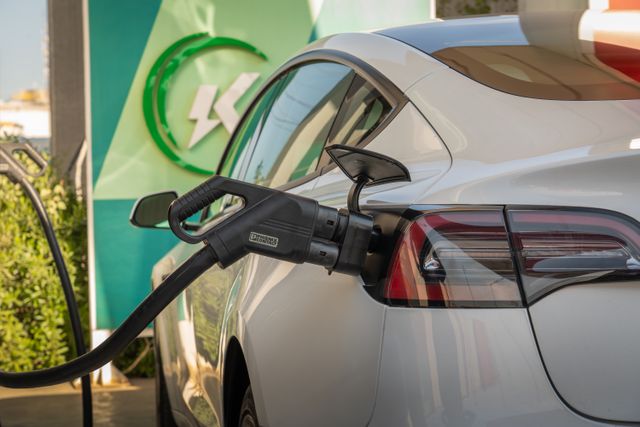
South China Morning Post featured Damien Duhamel, Managing Partner at Eurogroup Consulting, sharing his perspective on how Chinese EV competition could reshape Malaysia's automotive industry and the wider regional market.
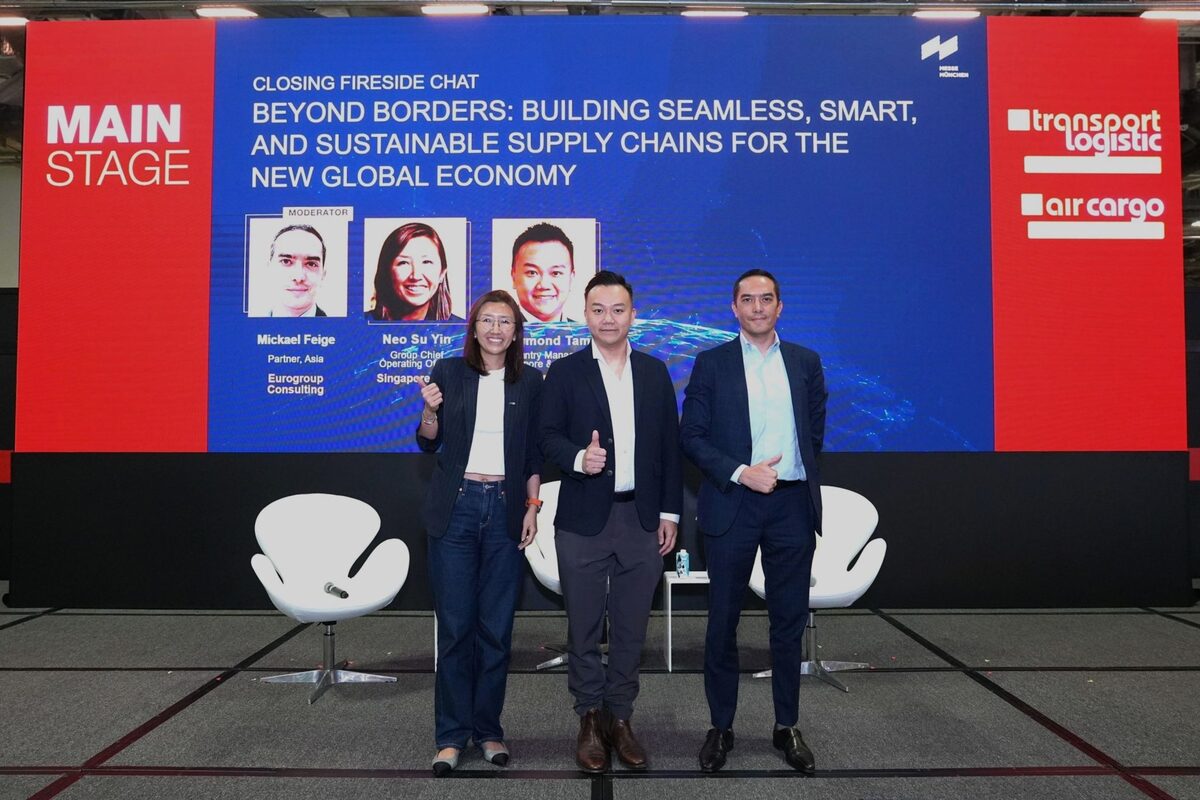
At Transport Logistic Southeast Asia 2025, Mickael Feige, Partner at Eurogroup Consulting, moderated a fireside chat on building seamless, smart and sustainable supply chains for the new global economy.
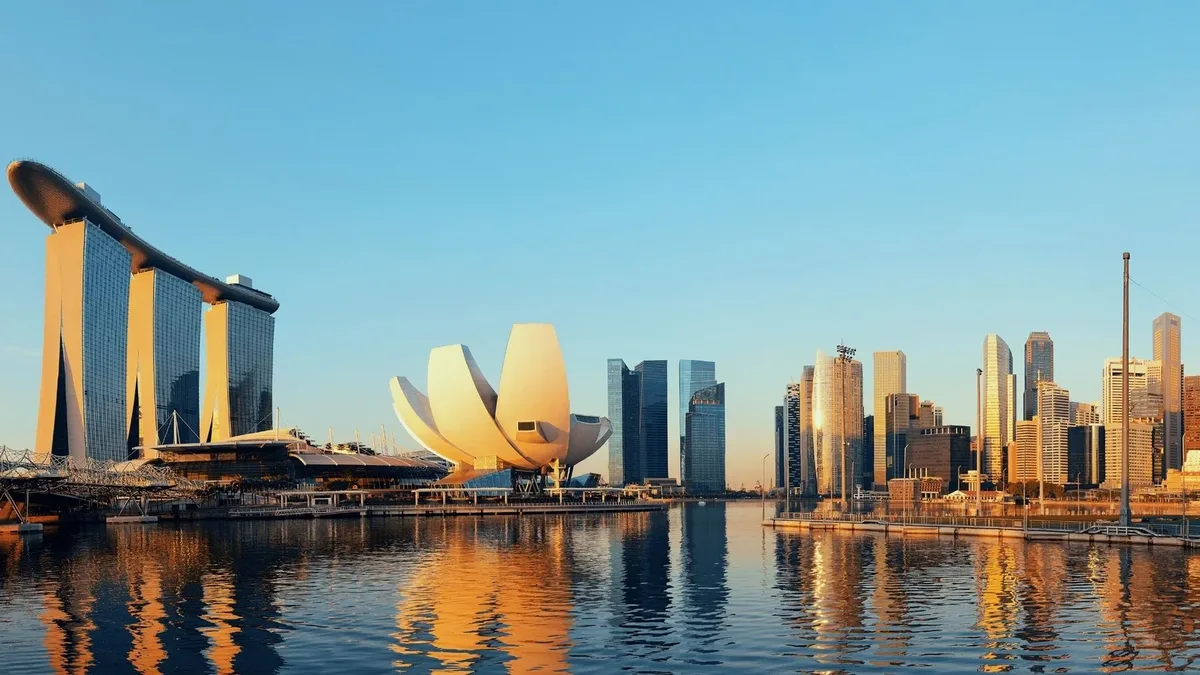
Damien Duhamel shared his perspective with Business Insider on the factors shaping innovation across Asia's leading cities, from human talent and technology to governance and global integration.

Thailand’s ageing transition is creating a real but selective senior living opportunity. The paper examines investable demand, scalable business models and the constraints still limiting market growth.

Southeast Asia is emerging as a key advanced manufacturing hub. The white paper examines the capabilities, technologies and opportunities reshaping the region’s industrial landscape.

Southeast Asia’s cities are transforming through rapid urbanisation and sustainability. It explores the trends shaping greener, more resilient and inclusive urban development.

ASEAN’s consumer landscape is evolving with rising incomes, digitalisation and changing expectations. The report highlights the trends reshaping how businesses engage and grow across the region.
Leading manufacturing conglomerate — annual emissions of over 2 million tons CO2e
VIEW DETAILHIDE DETAIL →The client faced challenges in managing their carbon footprint, with emissions exceeding 2 million tons annually. Existing strategies lacked comprehensive goals aligned with international standards. Regulatory changes in Indonesia necessitated immediate strategic adjustments.
We conducted a detailed assessment of current emissions and identified key reduction areas. Employed advanced carbon accounting and scenario modeling to refine targets. Developed a roadmap integrating technology solutions for long-term sustainable performance.
We advised setting aggressive reduction targets aligned with the Paris Agreement. Recommended adoption of renewable energy sources and waste minimization strategies. Proposed leveraging carbon credits and offsets to achieve immediate reductions.
Forecasted emissions reduction of 25% within three years, contributing to compliance and competitive advantage. Projected a decrease in operational costs by 10% annually due to enhanced efficiency. Client positioned as an industry leader in sustainable practices in Indonesia.
Local power utility company — operational capacity over 1,500 MW
VIEW DETAILHIDE DETAIL →The client needed to transition from fossil fuels to renewable energy sources within a competitive market. An outdated infrastructure and limited access to green technologies hindered progress. Environmental policies in Indonesia necessitated rapid action to minimize penalties.
Implemented a comprehensive audit of current energy infrastructure and operational processes. Designed a phased transition plan incorporating solar and wind technologies. Collaborated closely with stakeholders to ensure alignment with regulatory requirements.
Suggested gradual decommissioning of older fossil-based units while investing in scalable solar farms. Recommended partnerships with international technology firms to enhance capability and knowledge transfer. Encouraged adopting real-time monitoring for continuous improvement.
Anticipated a 30% reduction in carbon emissions over five years, reducing regulatory compliance costs. Improved capacity utilization by 20% with new renewable installations. Positioned client to meet government targets two years ahead of schedule.
Regional retail chain — supply operations exceeding 5,000 vendors
VIEW DETAILHIDE DETAIL →The client faced inefficiencies and high emissions across their extensive supply network. Lack of visibility into vendor practices hampered sustainability efforts. Evolving consumer expectations in Indonesia required transparency and ethical sourcing practices.
Conducted a thorough evaluation of the supply chain to map carbon-intensive touchpoints. Implemented a digital platform for enhanced supply chain visibility and real-time tracking. Engaged vendors in training to align with sustainability standards and practices.
Advised consolidating suppliers with a focus on those meeting stringent environmental criteria. Recommended periodic audits and sustainability reporting to ensure compliance. Encouraged adopting circular economy principles to reduce waste and boost efficiency.
Projected a reduction in supply chain emissions by 18% within two years, improving customer satisfaction. Enhanced tracking decreased lead times by 15%, reducing inventory costs. Positioned as a market leader in sustainability within the Indonesian retail sector.
Trusted by clients for long-term collaboration. Selected organizations our teams have supported globally and across Indonesia.






















A carbon footprint assessment measures the total greenhouse gas emissions produced directly and indirectly by an organization. This involves data collection on energy usage, waste production, transportation, and supply chain activities. The assessment helps organizations in Indonesia identify key emission sources and develop strategies to reduce their carbon footprint.
Conducting a carbon audit in Indonesia helps businesses evaluate their environmental impact. It involves analyzing energy consumption, waste generation, and transportation metrics. By understanding these factors, companies can implement reduction strategies, comply with local regulations, and improve their sustainability credentials.
A sustainability strategy involves setting environmental goals, evaluating current practices, and identifying improvement areas. In Indonesia, this might include energy efficiency programs, waste management changes, and sustainable sourcing. By benchmarking against industry standards, companies can tailor strategies to align with environmental regulations and business objectives.
A life cycle assessment evaluates the environmental impact of a product from production to disposal. This process in Indonesia examines raw material extraction, manufacturing, distribution, usage, and end-of-life disposal. It provides insights into the environmental impacts at each stage, helping companies reduce negative impacts and optimize product life cycles.
Emission reduction in Indonesia is achieved by analyzing various factors such as energy use, supply chain processes, and waste management. Initiatives may include adopting renewable energy, optimizing logistics, and enhancing resource efficiency. By conducting competitive analyses and regulatory reviews, businesses can implement effective solutions to minimize their environmental footprint.
600 N Bridge Rd, #13-06, Singapore 188778