Deep Cultural Understanding
We help you connect with Cambodia's diverse cultures by navigating local habits, values, and unspoken norms. This ensures your strategy aligns with local expectations, building trust and fostering sustainable results.


With decades of expertise, we excel in recycling consulting in Cambodia, helping clients navigate the competitive sector. Our hands-on support and extensive services enhance growth, leveraging global insights to drive success in Cambodia's recycling industry.
Municipal solid waste in Cambodia reached approximately 2.85 million tonnes in 2024, growing 6.3 % over the previous year. Recycling remains limited by low source segregation and infrastructure gaps, contributing to a recycling rate of under 2 %.
Plastic recycling in Cambodia is projected to grow steadily. The plastic waste management market was valued at USD 319 million in 2025 and is expected to reach USD 423 million by 2032, with a compound annual growth rate of about 4.1 %. Meanwhile, Cambodia’s plastic recycling sector, particularly for PET, is forecasted to grow at a 7.5 % CAGR from 2025 to 2031, driven by urban consumption and packaging demand.
Textile and garment waste is emerging as a growing concern. In 2025, Cambodia’s garment, footwear and travel goods sector generated around 206,473 tonnes of post‑industrial textile waste, up from 142,354 tonnes in 2021. This increase presents a developing opportunity for recycling and waste‑to‑value initiatives in the sector.
Cambodia's PET plastic recycling sector is set to grow at a CAGR of
Source: IGES
Cambodia's recycling landscape is evolving with sectors like electronic waste, plastic, paper, metal, and textile recycling showing promising growth. Our Cambodia Recycling Consulting supports companies in optimizing these sectors by providing innovative and sustainable solutions tailored to their needs.
Our firm offers expert guidance in minimizing waste and maximizing efficiency across diverse sectors, including glass, compost, packaging, battery, construction waste, tire, and hazardous material recycling. We leverage cutting-edge methodologies to ensure clients remain competitive in this rapidly changing market.
Staying ahead of recycling trends such as circular economy practices, waste-to-energy initiatives, and zero-waste policies is crucial. At Cambodia Recycling Consulting, we empower organizations to integrate these trends, ensuring long-term success and sustainability.
We help you connect with Cambodia's diverse cultures by navigating local habits, values, and unspoken norms. This ensures your strategy aligns with local expectations, building trust and fostering sustainable results.
Our actionable intelligence, powered by real-time market monitoring and insights from your ecosystem, enables you to make informed decisions, seize emerging opportunities, and mitigate risks in Cambodia's dynamic markets.
Through direct engagement with key stakeholders, we provide you with nuanced perspectives that reveal the “why” behind market behaviors, helping you design tailored solutions that drive meaningful results.
Validate opportunities, manage risk, and allocate capital with greater confidence through current market evidence and practical strategic advice.
Our company has successfully supported various Recycling projects by providing market research, competitive analysis, and strategic guidance to help businesses succeed.
We offers comprehensive Recycling market research, delivering valuable insights and actionable recommendations in Cambodia to enable businesses to make well-informed decisions and achieve long-term success in the industry.
We offers comprehensive Recycling Strategic Planning services in Cambodia, providing tailored frameworks and actionable strategies to help businesses achieve their goals and sustain growth in a competitive environment.
We delivers expert Recycling Market Entry Strategy solutions in Cambodia, offering valuable insights and effective approaches that empower businesses to successfully penetrate new markets and secure a competitive edge.
We provides in-depth Recycling Merger and Acquisitions advisory in Cambodia, guiding businesses with expert recommendations to navigate complex transactions, unlock synergies, and maximize shareholder value.
We specializes in Recycling Value Chain Analysis in Cambodia, delivering actionable insights that optimize operational efficiency, enhance profitability, and drive strategic decision-making for businesses across industries.
We offers thorough Recycling Competitive Benchmarking services in Cambodia, helping businesses identify key performance gaps, uncover market opportunities, and build stronger competitive strategies.
We delivers expert Recycling Distribution and Strategic Partnership solutions in Cambodia, enabling businesses to establish effective networks, foster collaborative relationships, and achieve long-term market success.
We provides advanced Recycling Consumer Behavior Analysis services in Cambodia, offering actionable insights into consumer preferences and trends to help businesses refine their strategies and enhance customer satisfaction.
Establish industry dominance with our experts and partners








South China Morning Post featured Damien Duhamel, Managing Partner at Eurogroup Consulting, sharing his perspective on how Chinese EV competition could reshape Malaysia's automotive industry and the wider regional market.
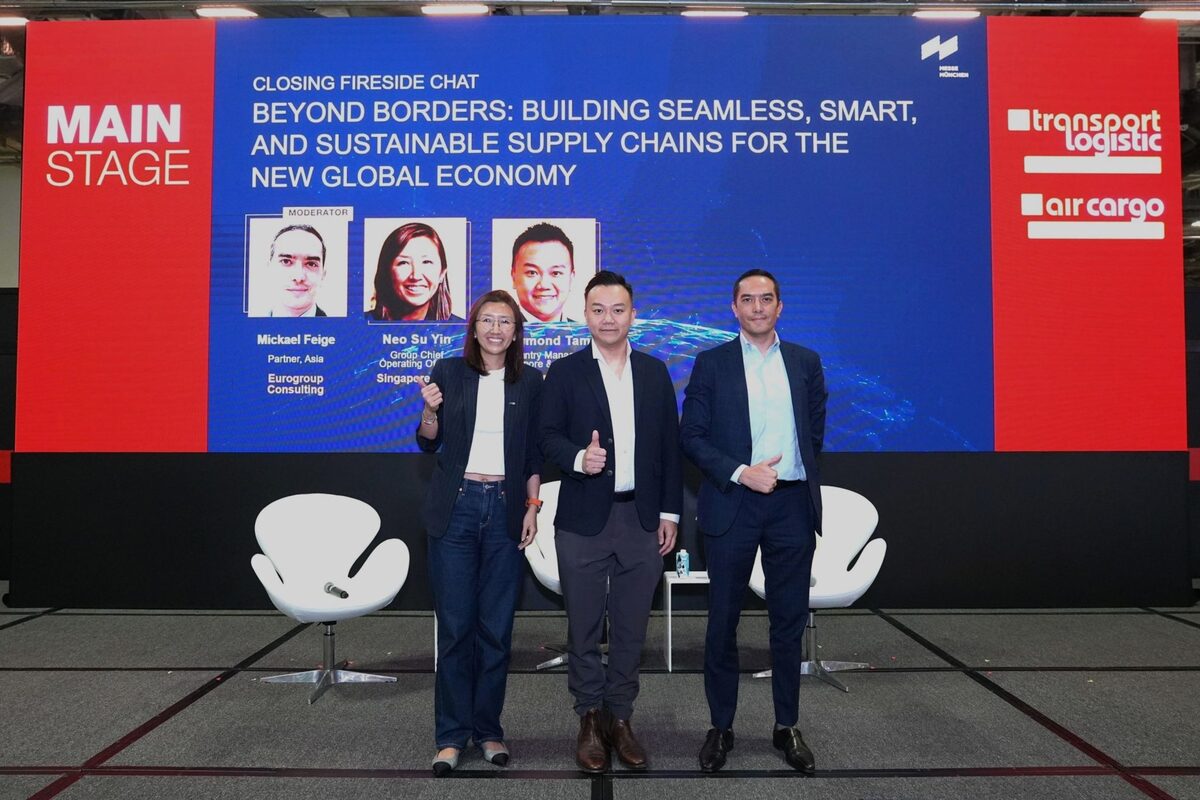
At Transport Logistic Southeast Asia 2025, Mickael Feige, Partner at Eurogroup Consulting, moderated a fireside chat on building seamless, smart and sustainable supply chains for the new global economy.

Damien Duhamel shared his perspective with Business Insider on the factors shaping innovation across Asia's leading cities, from human talent and technology to governance and global integration.

Thailand’s ageing transition is creating a real but selective senior living opportunity. The paper examines investable demand, scalable business models and the constraints still limiting market growth.

Southeast Asia is emerging as a key advanced manufacturing hub. The white paper examines the capabilities, technologies and opportunities reshaping the region’s industrial landscape.

Southeast Asia’s cities are transforming through rapid urbanisation and sustainability. It explores the trends shaping greener, more resilient and inclusive urban development.

ASEAN’s consumer landscape is evolving with rising incomes, digitalisation and changing expectations. The report highlights the trends reshaping how businesses engage and grow across the region.
Cambodian urban waste authority — operations across multiple cities
VIEW DETAILHIDE DETAIL →The client faced inefficiencies in waste collection and recycling processes impacting urban sanitation. They experienced high operational costs due to outdated logistics and lack of integration. A holistic strategy was needed to revamp their waste management framework.
Our team conducted a comprehensive audit of existing waste streams and logistics operations. We implemented an integrated recycling platform and optimized route planning through advanced analytics. Stakeholder workshops were conducted to align processes with sustainability goals.
We advised on adopting a circular economy model to maximize material recovery and revenue. Emphasized investment in digital infrastructure for real-time data monitoring and operational efficiency. Recommended partnerships with local enterprises to enhance resource circulation.
Illustrative improvements included a 20% reduction in operational costs within 12 months. Recycling rates increased by 30% with full system integration. These changes typically lead to substantial environmental impact reduction across similar engagements in Cambodia.
Provincial government agency — regional waste management oversight
VIEW DETAILHIDE DETAIL →The agency needed to develop a sustainable economic model for city waste management and recycling. Challenges included limited financial resources and achieving compliance with international environmental targets. They sought a strategy to transition towards a circular economy.
We facilitated stakeholder consultations to map existing waste flows and identify key recovery opportunities. Developed a phased roadmap for implementing circular economy principles tailored to local conditions. Provided training modules for staff on new policy frameworks and methodologies.
Encouraged the creation of eco-industrial parks to foster symbiotic industrial processes. Suggested incentivizing local businesses to adopt resource-efficient practices. Advocated for legislative reforms to promote sustainable waste management and material lifecycle extension.
An illustrative outcome was a 25% improvement in waste diversion rates from landfills. Economic modeling projected long-term cost savings of 15% compared to traditional waste management methods. These results mirror typical outcomes seen in regional projects of this nature.
Cambodian municipal authority — urban waste management operations
VIEW DETAILHIDE DETAIL →The client faced challenges in engaging private partners for joint recycling initiatives. Existing partnerships lacked clear operational frameworks, resulting in inefficiencies and suboptimal recycling rates. There was an urgent need for structured collaboration to enhance city sustainability.
We conducted a gap analysis to identify partnership barriers and opportunities for alignment. Designed a framework that clearly defined roles, responsibilities, and performance metrics for interested parties. Delivered training and support materials to facilitate mutual understanding and cooperation.
Recommended establishing a unified authority to oversee all private partnerships and streamline processes. Advised on performance-based contracts to ensure accountability and drive improvements. Suggested technology adoption for transparent tracking and process optimization.
Partnerships typically saw a 35% increase in recycling efficiency within the first year. The structured approach led to a 40% increase in private sector investment in recycling initiatives. These results are typical outcomes for similar collaborations in Cambodia's urban settings.
Trusted by clients for long-term collaboration. Selected organizations our teams have supported globally and across Cambodia.



















A market study in Cambodia's recycling sector involves demand analysis, regulatory review, and competitor benchmarking. It assesses recycling trends, potential growth areas, government regulations, and competitive landscape through field interviews and data collection to provide a comprehensive market overview.
A feasibility study is crucial to evaluate the potential success of recycling projects in Cambodia. It involves assessing market demand, regulatory compliance, resource availability, and financial projections. This analysis helps determine viability before significant investment, ensuring alignment with local opportunities and limitations.
Market size in Cambodia's recycling industry is evaluated through data collection, client segmentation, and trend analysis. This includes reviewing import-export statistics, analyzing consumer behavior, and assessing infrastructure capability to quantify the industry’s potential growth and establish an accurate market scope.
Competitor analysis in Cambodia's recycling sector involves examining market positioning, pricing strategies, and service offerings. This is achieved through competitor benchmarking, client feedback, and market share analysis. Understanding these components helps identify gaps and opportunities for strategic advantage.
Regulatory review impacts recycling consulting by ensuring compliance with Cambodian laws and environmental standards. This involves analyzing permits, waste management policies, and industry standards. By understanding these regulations, consultants can guide sustainable practices and minimize legal and operational risks.
600 N Bridge Rd, #13-06, Singapore 188778