Deep Cultural Understanding
We help you connect with ASEAN's diverse cultures by navigating local habits, values, and unspoken norms. This ensures your strategy aligns with local expectations, building trust and fostering sustainable results.


With decades of experience, our consulting firm excels in energy transition consulting in ASEAN, empowering clients to thrive in this competitive sector. Our wide range of services, combined with a hands-on support approach, ensures seamless adaptation and growth within ASEAN's dynamic energy landscape.
ASEAN’s energy transition consulting must acknowledge that the region’s clean energy investment rose from about USD 30 billion in 2015 to USD 47 billion by 2025, while fossil fuel investment fell from USD 70 billion to USD 50 billion over the same period. This reflects a shift in investor attention toward renewables.
Investment in renewable energy generation in ASEAN grew at a compound annual rate of roughly 7 percent between 2015 and 2023, increasing from USD 11 billion in 2015–2019 to USD 14 billion in 2020–2023. Installed renewable capacity is projected to reach about 37.6 percent of total capacity by 2025, up from 33.6 percent in 2021.
Clean energy investment in Southeast Asia in 2026 is expected to reach USD 22 billion, while grid investment is projected at USD 15 billion, together supporting a total energy investment of about USD 57 billion for the region. These figures underscore the scale of infrastructure development required for the transition.
ASEAN's installed renewable capacity is projected to reach
Source: International Energy Agency (IEA)
The ASEAN energy transition landscape is undergoing a significant transformation. Industrial sectors such as solar, wind, bioenergy, hydrogen, geothermal, energy storage, smart grids, energy efficiency, oil and gas, nuclear, coal, hydroelectric, electric vehicles, carbon capture, and petrochemicals are leading this change. As these sectors evolve, the demand for expert guidance in navigating challenges and opportunities increases.
Current trends in the ASEAN energy transition sector include a strong shift towards renewable energy integration, advancing technologies for energy storage, and a push for carbon neutrality. Our firm provides reliable Energy Transition Consulting, leveraging our in-depth knowledge and experience to support clients in capitalizing on these trends and achieving sustainable growth.
We focus on providing strategic insights and data-driven solutions tailored to the unique needs of each sector within the ASEAN region. Our expertise in Energy Transition Consulting enables us to guide decision-makers in optimizing operations, ensuring compliance with evolving regulations, and enhancing overall efficiency. This empowers our clients to drive innovation and secure a competitive edge.
We help you connect with ASEAN's diverse cultures by navigating local habits, values, and unspoken norms. This ensures your strategy aligns with local expectations, building trust and fostering sustainable results.
Our actionable intelligence, powered by real-time market monitoring and insights from your ecosystem, enables you to make informed decisions, seize emerging opportunities, and mitigate risks in ASEAN's dynamic markets.
Through direct engagement with key stakeholders, we provide you with nuanced perspectives that reveal the “why” behind market behaviors, helping you design tailored solutions that drive meaningful results.
Validate opportunities, manage risk, and allocate capital with greater confidence through current market evidence and practical strategic advice.
Our company has successfully supported various Energy Transition projects by providing market research, competitive analysis, and strategic guidance to help businesses succeed.
We offers comprehensive Energy Transition market research, delivering valuable insights and actionable recommendations in ASEAN to enable businesses to make well-informed decisions and achieve long-term success in the industry.
We offers comprehensive Energy Transition Strategic Planning services in ASEAN, providing tailored frameworks and actionable strategies to help businesses achieve their goals and sustain growth in a competitive environment.
We delivers expert Energy Transition Market Entry Strategy solutions in ASEAN, offering valuable insights and effective approaches that empower businesses to successfully penetrate new markets and secure a competitive edge.
We provides in-depth Energy Transition Merger and Acquisitions advisory in ASEAN, guiding businesses with expert recommendations to navigate complex transactions, unlock synergies, and maximize shareholder value.
We specializes in Energy Transition Value Chain Analysis in ASEAN, delivering actionable insights that optimize operational efficiency, enhance profitability, and drive strategic decision-making for businesses across industries.
We offers thorough Energy Transition Competitive Benchmarking services in ASEAN, helping businesses identify key performance gaps, uncover market opportunities, and build stronger competitive strategies.
We delivers expert Energy Transition Distribution and Strategic Partnership solutions in ASEAN, enabling businesses to establish effective networks, foster collaborative relationships, and achieve long-term market success.
We provides advanced Energy Transition Consumer Behavior Analysis services in ASEAN, offering actionable insights into consumer preferences and trends to help businesses refine their strategies and enhance customer satisfaction.
Establish industry dominance with our experts and partners









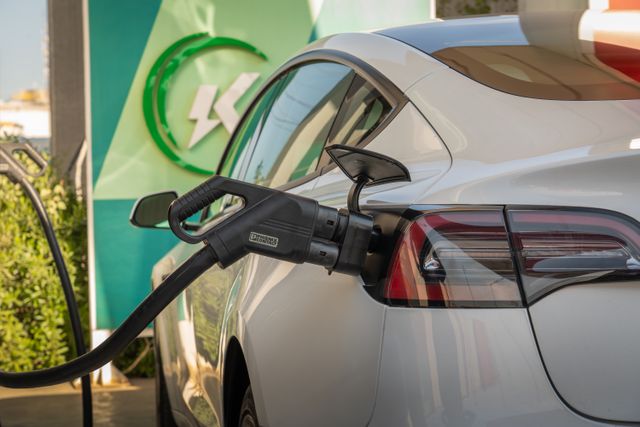
South China Morning Post featured Damien Duhamel, Managing Partner at Eurogroup Consulting, sharing his perspective on how Chinese EV competition could reshape Malaysia's automotive industry and the wider regional market.
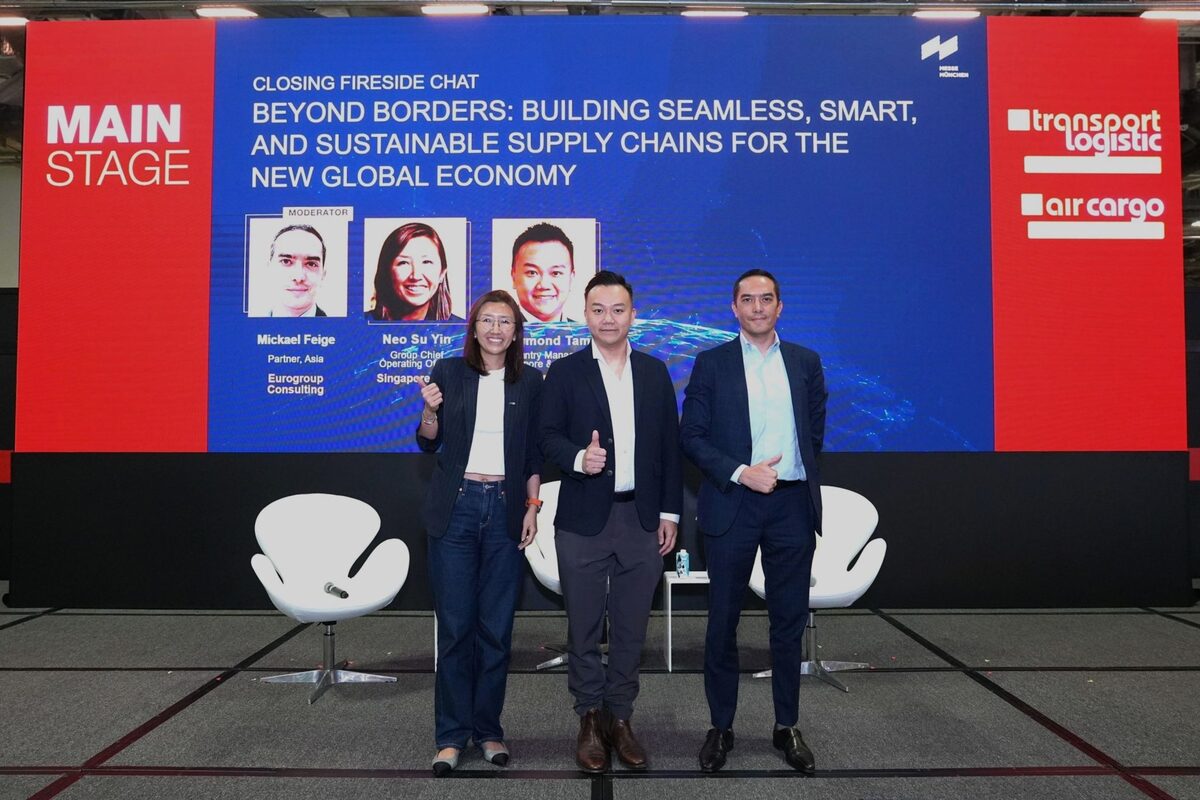
At Transport Logistic Southeast Asia 2025, Mickael Feige, Partner at Eurogroup Consulting, moderated a fireside chat on building seamless, smart and sustainable supply chains for the new global economy.

Damien Duhamel shared his perspective with Business Insider on the factors shaping innovation across Asia's leading cities, from human talent and technology to governance and global integration.

Thailand’s ageing transition is creating a real but selective senior living opportunity. The paper examines investable demand, scalable business models and the constraints still limiting market growth.

Southeast Asia is emerging as a key advanced manufacturing hub. The white paper examines the capabilities, technologies and opportunities reshaping the region’s industrial landscape.

Southeast Asia’s cities are transforming through rapid urbanisation and sustainability. It explores the trends shaping greener, more resilient and inclusive urban development.

ASEAN’s consumer landscape is evolving with rising incomes, digitalisation and changing expectations. The report highlights the trends reshaping how businesses engage and grow across the region.
Large ASEAN energy utility — renewable portfolio expansion
VIEW DETAILHIDE DETAIL →The client faced challenges in integrating a growing portfolio of renewable energy sources into the existing grid infrastructure. This complexity was compounded by regulatory changes and evolving market conditions that demanded rapid adaptation. A comprehensive strategic roadmap was urgently needed to ensure seamless integration while maintaining grid stability.
We conducted a thorough assessment of the current grid infrastructure and renewable assets. This involved stakeholder workshops, technical audits, and regulatory compliance reviews to align all elements with new standards. A strategic roadmap was developed, outlining phased implementation steps tailored to current and future energy demands.
We recommended phased integration steps, focusing on scalable and flexible technology solutions to adapt to changing grid conditions. Enhancing stakeholder engagement processes was crucial to align operations with regulatory and market changes. Continuous monitoring mechanisms were proposed to ensure ongoing efficiency and compliance.
The client successfully integrated 35% more renewable energy within the projected timeframe. This led to a reduction in carbon emissions by 15% annually, demonstrating significant progress towards national energy transition goals in ASEAN. Operational efficiencies improved, resulting in a 10% cost reduction in grid management.
National energy provider — extensive grid operations across ASEAN
VIEW DETAILHIDE DETAIL →The client needed to optimize energy storage solutions to enhance grid reliability amid increasing renewable energy input. Current storage systems were inefficient, resulting in frequent energy losses and high operational costs. A strategic evaluation of storage capacity and technology was essential to address these issues.
We performed a comprehensive analysis of existing storage technologies and their integration into the grid. Advanced modeling techniques were used to simulate different storage scenarios under varied demand conditions. This enabled identification of optimal technologies and capacity enhancements for improved grid reliability.
Our key recommendations included the adoption of advanced battery technologies and reconfiguration of existing systems for enhanced performance. Upgrading monitoring and control systems was advised to ensure real-time responsiveness. Strategic partnerships with technology providers were suggested to facilitate innovation and cost-sharing.
Improvements led to a 20% reduction in energy lost during storage, significantly enhancing overall grid reliability. Operational costs were reduced by 12% annually, with projected long-term savings aligning with national energy efficiency targets. Grid stability and performance showed marked improvement across the network.
ASEAN industrial consortium — high-energy consumers
VIEW DETAILHIDE DETAIL →The client consortium needed to develop a decarbonization strategy due to regulatory pressures and sustainability goals. Their existing energy consumption patterns were heavily reliant on fossil fuels, posing a significant challenge in reducing carbon footprint. A clear and actionable strategy was required to transition to sustainable energy use.
Our team conducted an in-depth analysis of the client's energy consumption patterns and carbon footprint. We facilitated workshops to align stakeholders on sustainability goals and technological capabilities. A pragmatic decarbonization strategy was crafted, incorporating renewable energy adoption and efficiency improvements.
We advised on the gradual shift to renewable energy sources and the implementation of energy-efficient practices. Strengthening energy management systems was proposed to monitor and optimize consumption. Partnerships with renewable energy providers were recommended to leverage expertise and ensure a smooth transition.
The implementation led to a 25% reduction in carbon emissions over two years, aligning with regional decarbonization objectives. Energy costs decreased by 15%, illustrating significant economic and environmental benefits. The strategy established a framework for ongoing improvement in sustainability practices.
Trusted by clients for long-term collaboration. Selected organizations our teams have supported globally and across ASEAN.























An energy transition market study in ASEAN involves analyzing current energy policies, demand trends, and technological advancements. This includes demand analysis, competitor benchmarking, and regulatory review to assess market potential and identify growth opportunities. The study helps understand the market landscape for better strategic positioning.
Conducting a feasibility study before entering ASEAN's energy market assesses the viability of the project, considering economic, technical, and environmental factors. It involves risk assessment, regulatory analysis, and cost-benefit evaluation to ensure sustainable and profitable entry, minimizing potential risks and maximizing success chances.
Evaluating market size in ASEAN's energy sector involves analyzing energy consumption data, identifying key demand drivers, and segmenting clients. This process incorporates demand forecasting, competitor analysis, and economic indicators to accurately determine market capacity and growth potential, allowing for informed strategic decisions.
A competitive analysis for ASEAN energy firms includes identifying and benchmarking industry rivals, assessing their strengths and weaknesses, and understanding market positioning. Key methods include competitor profiling, market share analysis, and customer feedback to develop differentiated strategies and improve competitive advantage.
Conducting a regulatory review in ASEAN’s energy transition involves examining government policies, legal frameworks, and compliance requirements. It includes assessing policy impacts, engaging with regulatory bodies, and analyzing policy changes to ensure alignment with local requirements, mitigating legal risks and ensuring operational compliance.
600 N Bridge Rd, #13-06, Singapore 188778